Research buoys mark Kenai River, Cook Inlet through mid-September
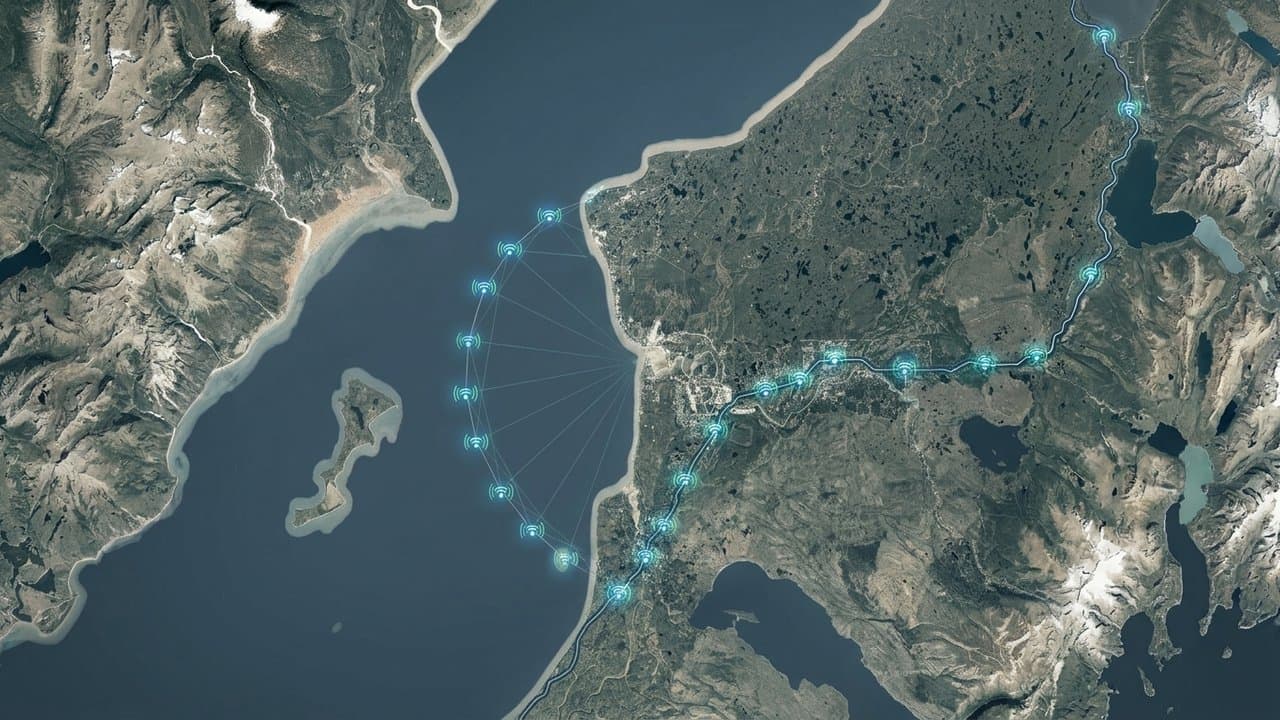
Boaters and fishers working the Kenai River and upper Cook Inlet this summer will share the water with submerged research gear that isn't always easy to spot. The Alaska Department of Fish and Game deployed acoustic receivers at 15 to 20 locations from Jim's Landing downstream to the river mouth as part of a multi-year tracking and survival study of Kenai River king salmon smolt, funded by a NOAA grant. The study will investigate movement, behavior, and mortality of juvenile king salmon as they migrate downstream and into Cook Inlet.
Some receivers are marked with surface buoys. Others may be completely submerged and anchored to ground lines. In Cook Inlet, a separate arc of surface buoys sits roughly one mile from the river mouth, spaced 100 to 300 yards apart. ADF&G says driving a boat between those buoys will not damage or entangle propellers. The pilot marine receiver project is also intended to refine deployment and mobile tracking methods to assess the early marine behavior of fish as they leave the river.
"Receivers will be in place through mid-September," said research biologist Dan Donnelly. "Please be aware of these buoys and do not move or alter buoys, lines, or anchors."
Donnelly and fellow research biologist Tony Eskelin are based in Soldotna and can be reached at (907) 262-9368 or at [email protected].
AI-assisted, reviewed by editors. Spot an error?
Comments
Sign in to leave a comment.
No comments yet. Be the first to share your thoughts.