NSF selects UAF to lead national critical minerals engine, with up to $160 million possible
The National Science Foundation selected the University of Alaska Fairbanks to lead the Alaska Critical Mineral Accelerator Engine, one of 12 new Regional Innovation Engines awarded across 20 states. The designation could bring up to $160 million in federal funding to Alaska over the next decade, contingent on sustained NSF appropriations. The Engines program is designed to build innovation clusters, accelerate critical technology development, prepare workers for emerging jobs, and grow regional economies.
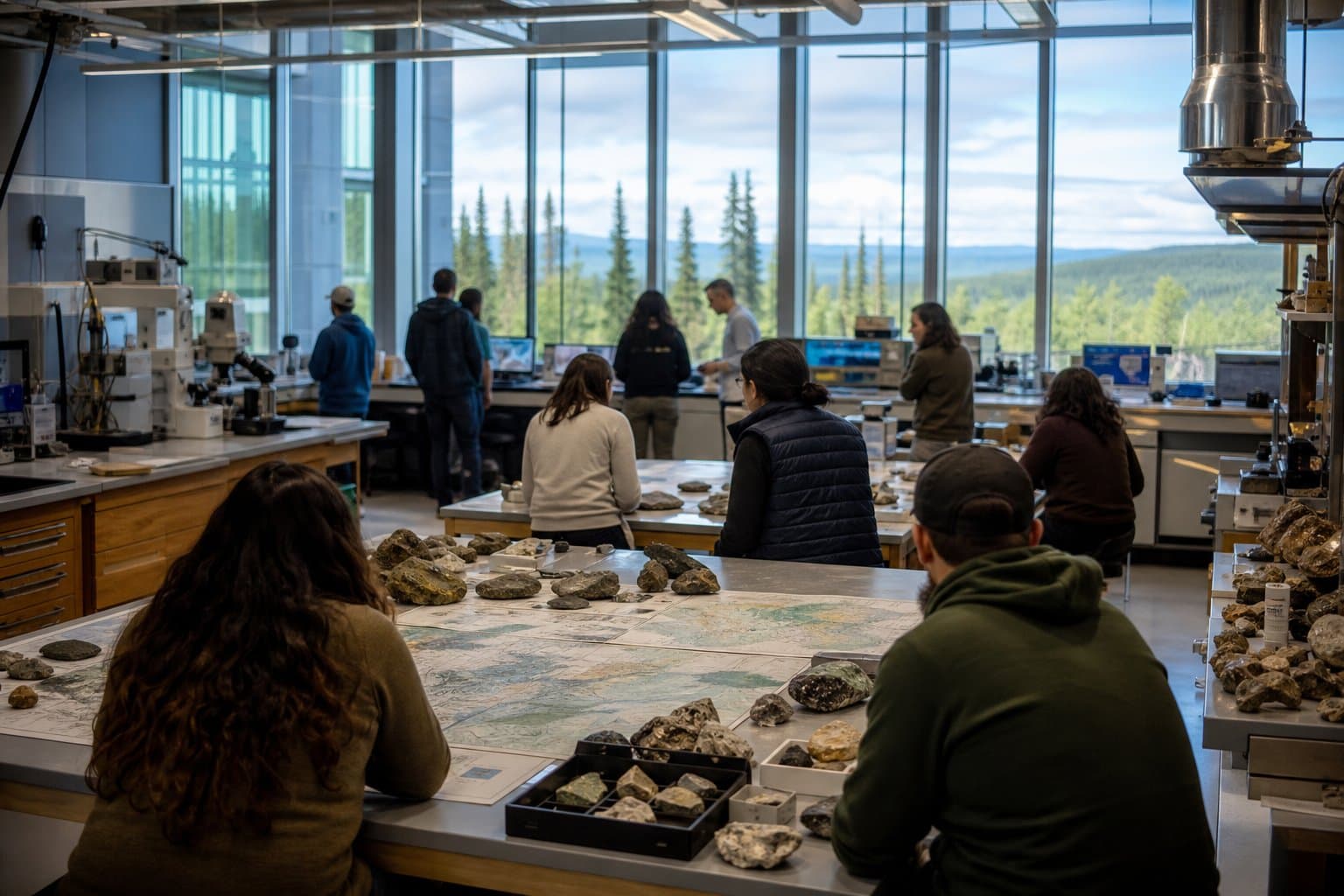
Alaska holds 56 of the 60 minerals the U.S. government designates as critical. The engine, anchored at UAF's Geophysical Institute and led by geoscientist Lee Ann Munk, will pursue AI-enabled exploration, biomining technologies, and workforce development in remote Alaska communities. Technology focus areas include advanced manufacturing, advanced materials, artificial intelligence, biotechnology, and energy technology. Partners include the University of Alaska Anchorage, NANA Regional Corporation, and biomining firm Endolith.
"The new NSF Engine anchored at UAF, one of our nation's premier research universities, will position the United States to lead not only in mineral production but also in the technologies that make mining smarter, safer, and more sustainable," Sen. Dan Sullivan said in a statement Tuesday.
Alaska Native organizations and allied environmental advocates have argued that expanding critical minerals development threatens Indigenous land rights and subsistence resources without Indigenous governance and strict environmental safeguards. The Alaska Critical Minerals Collaborative lists Alaska Native corporations, including NANA, as partners in the initiative.
The $160 million figure is a ceiling, not a guaranteed appropriation.
AI-assisted, reviewed by editors. Spot an error?
Comments
Sign in to leave a comment.
No comments yet. Be the first to share your thoughts.