AI image
Nome is becoming America's first deepwater port in the Arctic
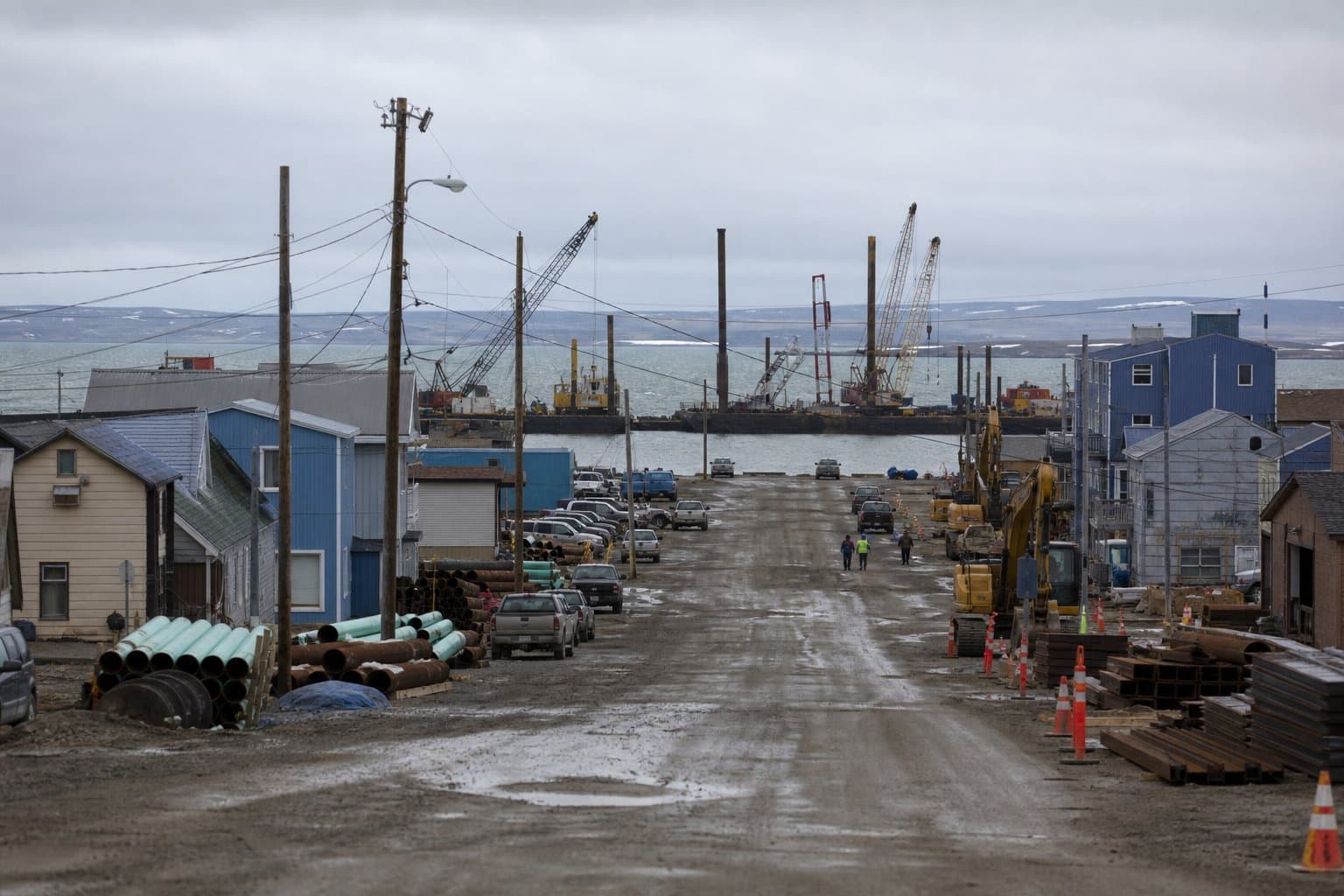
The United States is about to get something it has never had: a deepwater port on the Arctic's doorstep. After nearly two decades of proposals, construction is underway to transform the Port of Nome into the first deep-draft port in the American Arctic — a project that could reshape the country's reach into the fast-changing top of the world.
The need is stark. Today, the nearest U.S. deepwater port to the Arctic sits at Dutch Harbor, roughly a thousand miles to the south, even as shipping, resource activity, and military competition ramp up through the Bering Strait. Nome, perched at the edge of the Bering Sea, is positioned to become the hub the region has never had — for trade, cruise ships, search and rescue, and national security.
The work is enormous. Crews will deepen Nome's harbor to 40 feet, up from a basin so shallow that only vessels drawing 18 feet or less can enter now. That's deep enough for the big ships the Arctic increasingly demands — including Coast Guard icebreakers like the Healy and the newly acquired Storis, which today have almost nowhere to dock up north.
It doesn't come cheap. The roughly $600 million effort is anchored by $250 million Sen. Lisa Murkowski fought to include in the federal infrastructure law — part of a broader push by Alaska's congressional delegation — plus $175 million from the state, and the Army Corps of Engineers has awarded the first major construction contract, worth nearly $400 million. The existing port is slated for demolition this summer, with the first phase due around 2029 — the start of an Arctic gateway two decades in the making.
Based on a press release from Alaska DOT&PF.
AI-assisted. How we use AI
Stay informed. Support what matters.
Free, permanent access to local news you can verify. Subscribe to support Maggie AlaskaNews and go ad-free.
Related Coverage
Nome port's national security designation could save city $132 million in construction costs
Alaska News · 2mo ago
Spur demolition begins for Nome's planned Arctic deep-draft port
Alaska News · 1w ago
Coast Guard to homeport four icebreakers in Alaska
Alaska News · 3mo ago
Coast Guard to homeport four icebreakers in Alaska
Alaska News · 3mo ago
Repairs begin on the Nome-Council Highway, four years after Merbok
Alaska News · 2w ago
Comments
Sign in to leave a comment.
No comments yet. Be the first to share your thoughts.