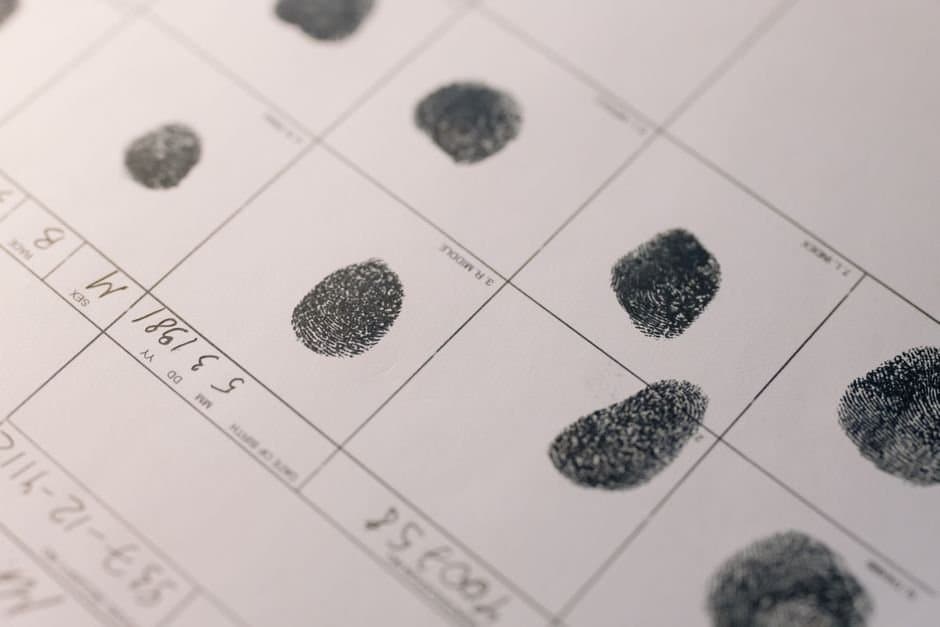
Knik Tribe awarded $199,482 for Palmer fingerprinting site and mobile units
Prospective foster, kinship, adoptive and guardianship caregivers in the Mat-Su Borough, some of whom travel up to 75 miles from the borough boundary to be fingerprinted, will be able to do it at the Knik Tribe office in Palmer.
The Department of Health and Human Services, through the Administration for Children and Families, has set aside $199,482 for the tribe for a 24-month project beginning Sept. 30. The award record states the Knik Tribe currently has no fingerprinting equipment or onsite service. Mat-Su residents rely on three walk-in locations open only on limited days and hours.
The tribe will buy three systems: a permanent station at 1744 Prospect Drive in Palmer and two portable systems for mobile service across the borough. Out-of-area applicants will also be welcome. No opening date is set. First come a needs and connectivity assessment, competitive procurement, installation, system authorization, security testing and staff training. The tribe will protect biometric and personally identifiable information through role-based access, encrypted transmission, secure storage and oversight from its chief information officer.
Alaska requires fingerprint-based background checks for prospective foster parents and household members age 16 and older before a license is issued, according to the Office of Children's Services foster care requirements, though emergency licenses may be issued while fingerprint checks are pending. The project is designed to serve up to 50 prospective homes a year, counting every adult in the household.
Preliminary targets in the award record include fingerprinting at least 90% of referred applicants within three business days, submitting 95% of prints within one business day of collection, and holding the recollection rate below 5%. Performance will be reviewed quarterly. At least three tribal employees will be trained and cross-trained on all three systems.
The award is part of a $4 million federal program expected to produce about 20 awards capped at $200,000 each. Kawerak Inc. in Nome is set to receive $57,703 for a Livescan system. The Alaska Department of Family and Community Services is set to receive $194,880 to upgrade eight machines and deploy 10 portable units. The state agency reports 16 stationary live scan machines across 20 offices, none portable.
The award period runs from Sept. 30 through Sept. 29, 2028.
Source: U.S. Department of Health and Human Services ().
AI-assisted. No editor review is on record for this article. Who is accountable.
Stay informed. Support what matters.
Free, permanent access to local news you can verify. Subscribe to support Maggie AlaskaNews and go ad-free.
Related Coverage
The Knik Tribe has $1 million to design youth mental health care
Alaska News · 2w ago
Federal grant will test a Yup'ik healing framework against homelessness
Alaska News · 2w ago
Palmer Courthouse finally gets funding for long-needed expansion
Alaska News · 3mo ago
Alaska sends kids Outside for care. A Wasilla project targets that.
Alaska News · 2mo ago
Knik Tribe awarded $5 million to design fish passage fixes on Talkeetna Spur Road
Alaska News · 1mo ago
Comments
Sign in to leave a comment.
No comments yet. Be the first to share your thoughts.