
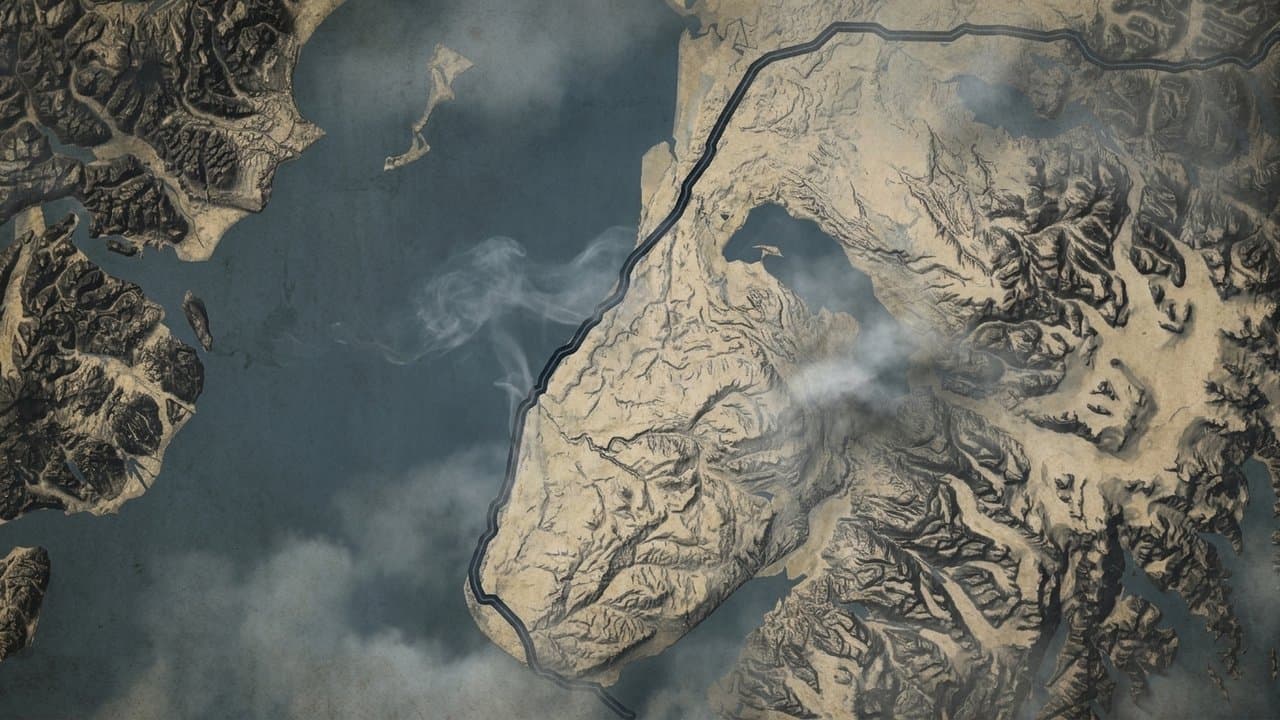
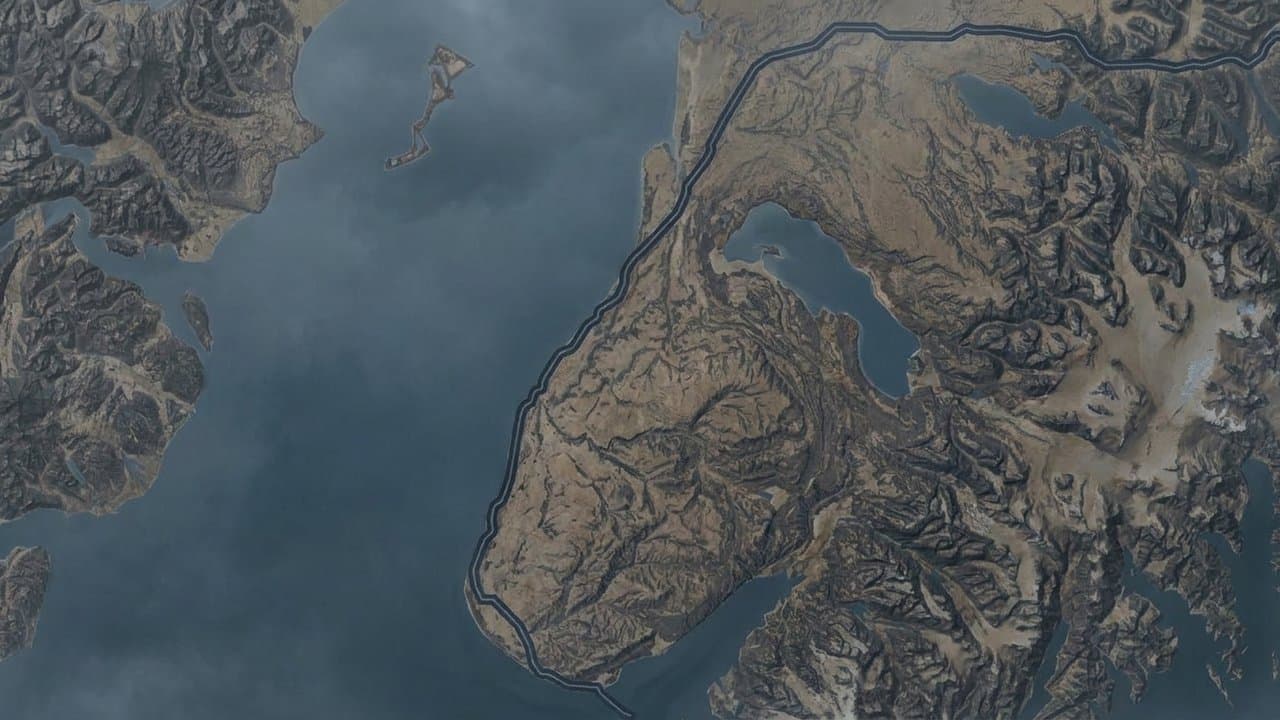
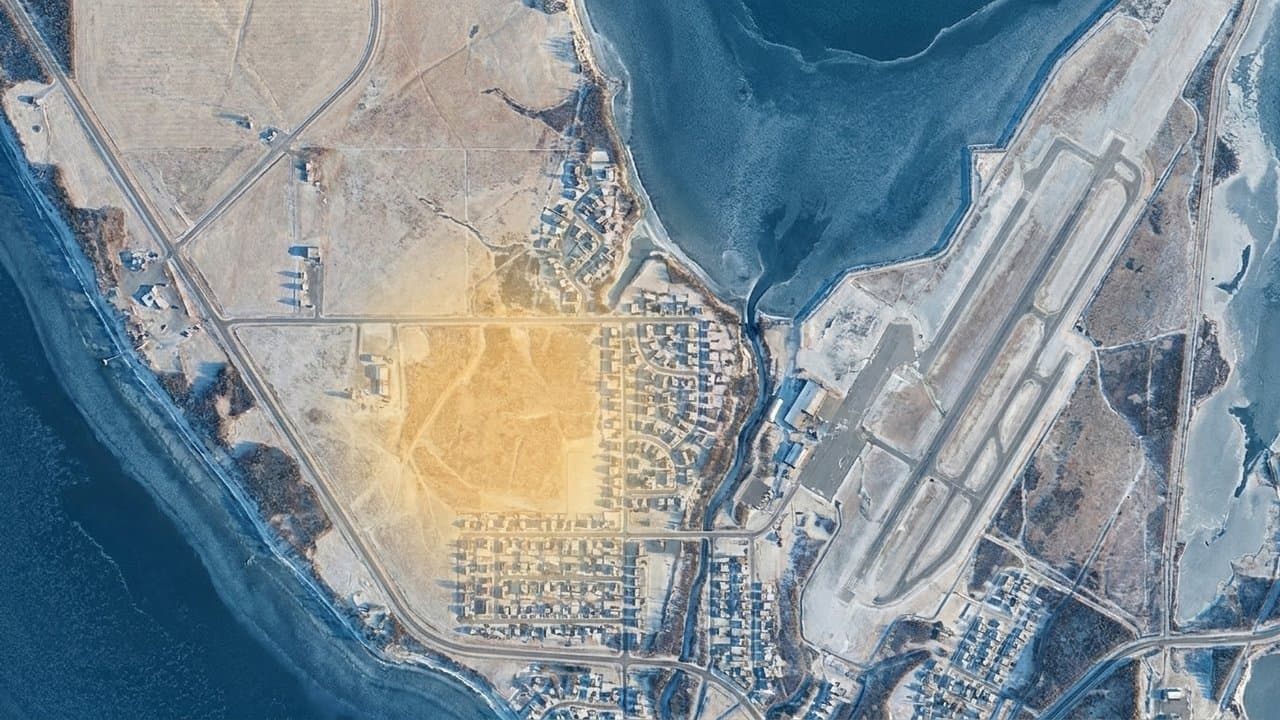
AI image
Kenai Peninsula mayor seeks power to remove fire chiefs without board backing
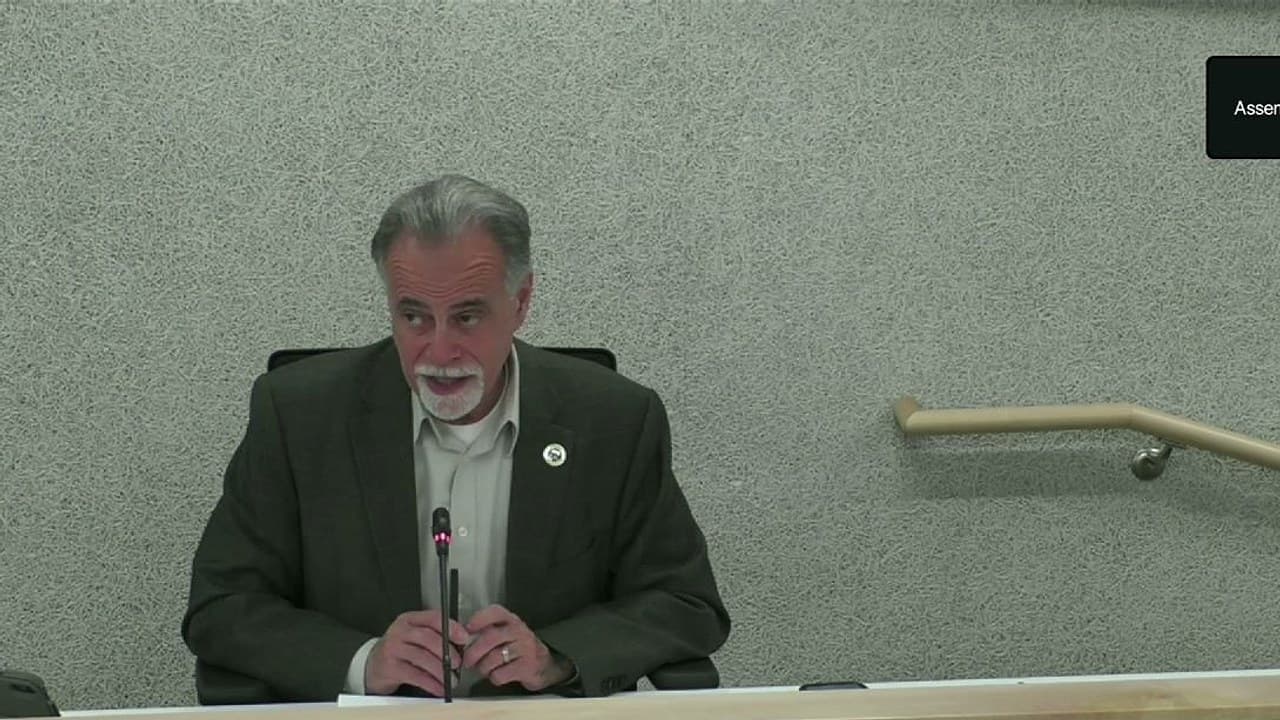
Kenai Peninsula Borough Mayor Peter Micciche has proposed letting the mayor remove the fire chiefs and other directors who run the borough's service areas without a recommendation from their boards. The Kenai Peninsula Borough Assembly is set to introduce the ordinance Dec. 1.
The borough's 14 service areas run fire and emergency medical services, hospitals, road maintenance, flood protection, recreation and senior programs, most of them paid for by a property tax in the area they serve. Some boards are elected by the area's voters. Others are appointed by the mayor and confirmed by the assembly.
Under current borough code, the mayor generally appoints a director from a list of names the board recommends. Except for the road director, the mayor can remove one with the board's recommendation, made by a majority of its members. If they cannot agree within 30 days, they must talk within 60 days, and then the mayor decides.
Under the ordinance, the mayor would pick a director after consulting the board, and the assembly would confirm the choice. Directors, fire chiefs included, would serve at the mayor's pleasure and could be removed by the mayor, "like all other department directors," Borough Attorney Sean Kelley wrote in a sectional analysis. A board could make a recommendation to the mayor on a director's performance.
Code already makes the boards advisory to the mayor and the assembly. The ordinance restates that they may not contravene the decision-making authority either holds by law. In Nikiski, code now gives the seven-member elected fire board "the power to provide for fire and emergency medical services," subject to assembly approval and funding. It would instead provide "advisory board oversight." The mayor could enter fire mutual aid agreements among fire service areas and cities after considering each affected board's recommendation.
Nikiski's fire board now needs four votes to act. Under the ordinance, four members would make a quorum, and a majority of those present could act. With four present, a majority would be three.
The ordinance would also move rules now repeated in each service area's chapter of code into one general chapter. Board members would serve three-year terms without pay. A service area invoice unpaid after 30 days would accrue interest at 10% a year plus a $25 penalty, which the mayor could waive on finding it is in the borough's best interests.
A companion ordinance would change what it takes to start a new service area by petition: signatures from at least 30% of the area's property owners, instead of a number equal to at least 15% of its voters who voted in the last regular borough election. Kelley's analysis compares requirements of 40% in the Ketchikan Gateway Borough, 50% in Mat-Su and 51% in Fairbanks North Star. Neither ordinance should be enacted without the other, Kelley wrote.
The borough sent the draft to service area board chairs for review Nov. 24. The assembly has scheduled a public hearing for Jan. 5, when residents can testify. If enacted, the ordinance takes effect immediately.
What did you make of this story? (no account needed)
Made by our human newsroom with AI. How humans and AI work here · Grow with our newsroom ·
Keep Alaska News free for everyone.
No paywall, ever. Members pay so everyone can read the meetings and records Alaska News covers.
Get Alaska News in your inbox
Create your free account and get the day’s top stories around 6 each morning, in a few minutes’ read.
Top stories, around 6 each morning.
Stories on what you follow, on Sundays.
Source: Kenai Peninsula Borough.










Comments
Sign in to leave a comment.
No comments yet. Be the first to share your thoughts.