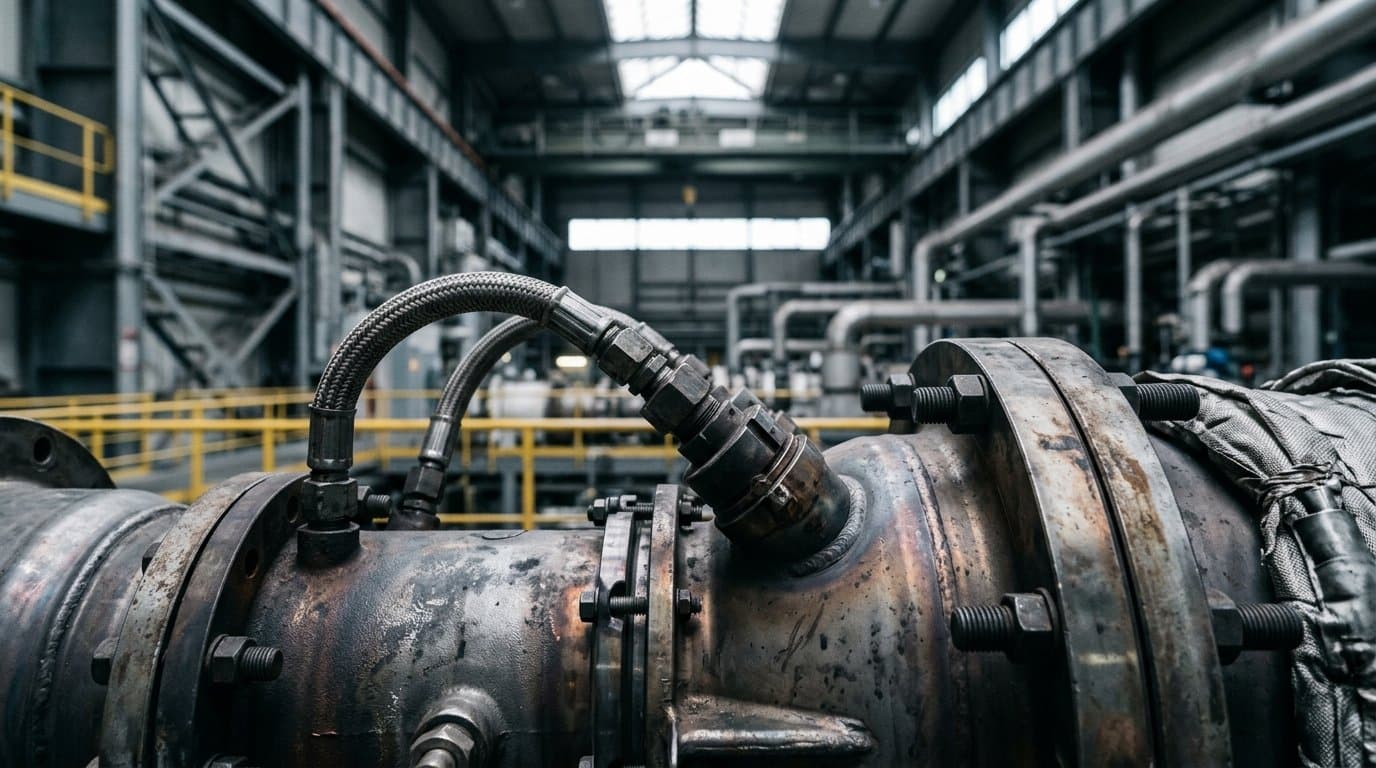
AI image
Golden Valley was short on reserves 94 percent of the last 250 days
Golden Valley Electric Association did not have enough generation in reserve on 236 of the last 250 days, more than 94 percent of the time. Staff told the co-op's board so at a special work session Aug. 13.
Staff called it a measure of reliability risk rather than a statement that the utility cannot serve members today. An outside consultant tested more than 100,000 scenarios against a Lower 48 benchmark of one supply shortfall per decade. GVEA's current generation mix produced roughly 17 shortfall events a year.
The co-op has had no Anchorage-area natural gas-generated power since February 2025. Bradley Lake hydro construction outages are expected to cut low-cost hydropower every first quarter through 2034, the months when Interior demand peaks.
Members are already paying for it. The cost-of-power surcharge rose from $0.12779 to $0.20652 per kilowatt-hour on June 1, about $47 a month more for a household using 600 kilowatt-hours.
Six industrial accounts supplied 44 percent of the kilowatt-hours GVEA sold in 2025. If the two largest Interior gold mines left over reliability concerns, staff said, the residential utility charge could rise as much as 28 percent.
GVEA has more than 300 megawatts of installed capacity, which staff said is not the same as power available when it is needed.
Staff recommended a second LM6000 turbine at the North Pole Power Plant, which already holds the necessary air and water permits. It could burn naphtha now and switch to natural gas if any becomes available, and it would let aging North Pole diesel units return to reserve duty instead of carrying primary generation. Modeled with battery storage under the co-op's PACE program, that combination came in at 0.0 to 0.1 shortfall events a year. Wind and storage help, staff said, but only dispatchable generation closes the gap.
The $80 million scenario showed a $10.3 million increase in the utility charge against a $39.5 million drop in fuel and purchased power costs, including about $35 million a year in fuel savings. Staff projected a 4.95 percent cut in the effective rate, or $10.63 a month for an average residential member.
CEO Travis Million said there is no zero-risk option. The board took no action.
Members who spoke were split. Some cited fossil fuel reliance and a past used-turbine purchase; one backed the second unit for reliability.
The regional Railbelt Integrated Resource Plan, presented by Railbelt Reliability Council CEO Ed Jenkin, is not expected to win Regulatory Commission of Alaska approval before the second quarter of 2027, after GVEA is set to decide. Staff will ask the board for direction Aug. 25. Any project would still need commission preapproval as a Large Energy Facility.
Source: Golden Valley Electric Association, Golden Valley Electric Association: GVEA Board Meeting Recap | August 13, 2026 – Golden Valley Electric Assn.
AI-assisted. How we use AI
Stay informed. Support what matters.
Free, permanent access to local news you can verify. Subscribe to support Alaska News and go ad-free.
Related Coverage
Fairbanks' utility is writing down when it would start turning off your power
Alaska News · 1mo ago
GVEA's fuel charge drops 12.6%, reversing about a third of June's increase
Alaska News · 1mo ago
GVEA files 62% cost-of-power increase with regulators
Alaska News · 4mo ago
Utility warns of rolling blackouts in Southcentral as soon as this winter
Alaska News · 2mo ago
Three Homer Electric generators failed at once, and hydro covered the gap
Alaska News · 2w ago
Comments
Sign in to leave a comment.
No comments yet. Be the first to share your thoughts.