
AI image
FEMA commits $1.2 million to Klukwan tribe, matching its landslide project funding
The Federal Emergency Management Agency committed $1.2 million on Sept. 28 to the Chilkat Indian Village of Klukwan, the same amount Congress set aside for the tribe's project to protect the village from landslides.
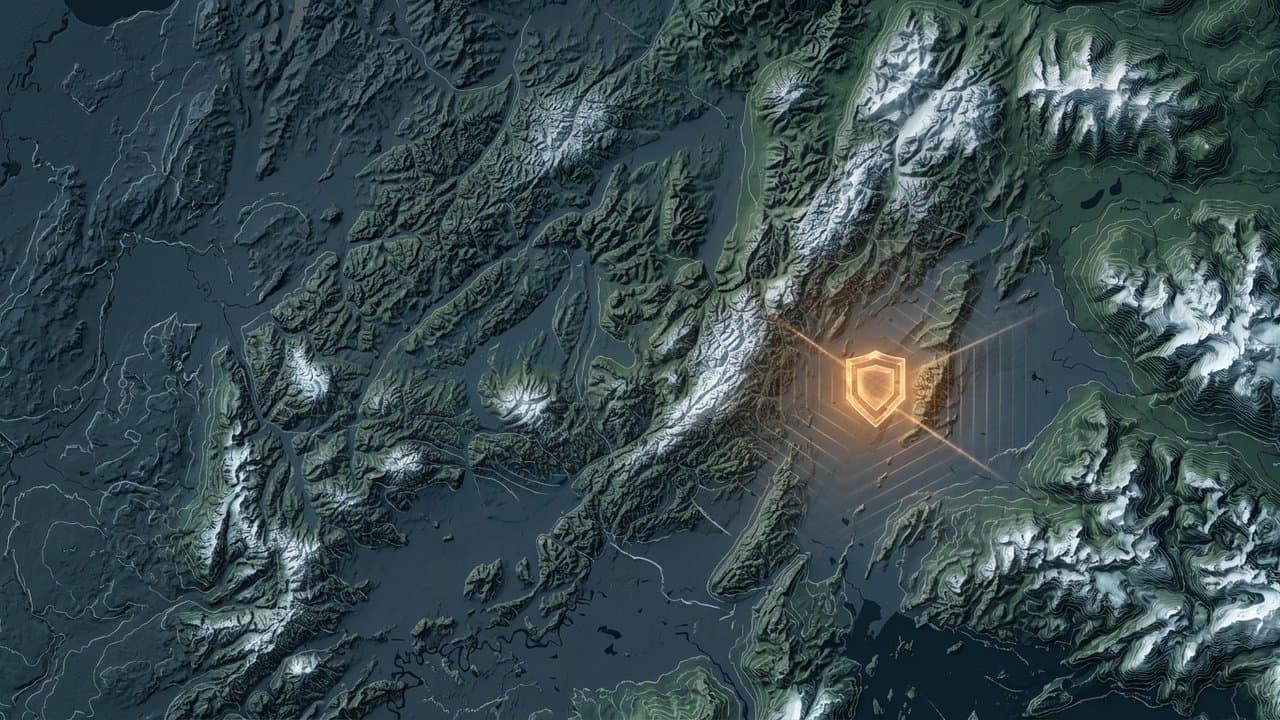
Klukwan is a village about 23 miles north of Haines, near the Haines Highway. In 1914 a debris flow lasted several days in Klukwan, according to a 2025 state geological survey report. The report says debris flows cover parts of the highway between about mileposts 12 and 23 from time to time, sometimes closing the road for days and costing the state hundreds of thousands of dollars a year.
During a windstorm on Oct. 20, debris flows reached the highway near Klukwan at mile 20 and mile 23, according to a National Weather Service report relaying a public account. The slide at mile 20 went over part of the road, but one lane stayed open. The tribe's environmental department lists landslides, flooding and avalanches among the geohazards it works on.
When Sen. Lisa Murkowski asked Senate appropriators for the money in 2025, her request said it would build a landslide mitigation berm and a weather monitoring station. Congress identified the Klukwan Landslide Protection Project, at $1,234,000, in the explanatory statement for the 2026 Homeland Security spending law. In June, FEMA announced the money would come through its Pre-Disaster Mitigation program, which pays for projects that reduce the risk natural hazards pose to people and property.
The tribe is the only tribal nation among the program's 125 projects for the 2026 federal fiscal year, according to FEMA's funding notice.
The federal spending record does not use the landslide project's name. On USAspending.gov, it describes the money as an Assistance to Firefighters Grant and files it under Emergency Management Performance Grants, a FEMA program whose applicants are limited to states and U.S. territories. But its amount matches the landslide project's to the dollar, and the site lists no other FEMA grant to the tribe since 2019.
The record gives a period of performance of Sept. 28 to Sept. 30. The money is obligated, meaning FEMA has committed it to the tribe, and the record shows none of it paid out yet. FEMA's notice projects each award's work period to run 36 months from the award date unless FEMA approves otherwise, a timeline that does not match the three-day period listed in the record.
FEMA's notice says the federal share generally covers up to 75% of a project's cost. A tribe that applies directly and qualifies as a small, impoverished community, with 3,000 or fewer people and per-person incomes no higher than 80% of the national figure, can have 90% covered.
What did you make of this story? (no account needed)
Made by our human newsroom with AI. How humans and AI work here · Grow with our newsroom ·
Keep Alaska News free for everyone.
No paywall, ever. Members pay so everyone can read the meetings and records Alaska News covers.
Get Alaska News in your inbox
Create your free account and get the day’s top stories around 6 each morning, in a few minutes’ read.
Top stories, around 6 each morning.
Stories on what you follow, on Sundays.
Source: Department of Homeland Security, Department of Homeland Security: [GRANT] Department of Homeland Security: CHILKAT INDIAN VILLAGE for ASSISTANCE TO FIREFIGHTERS GRANTS (AFG) ($1,234,000).









Comments
Sign in to leave a comment.
No comments yet. Be the first to share your thoughts.