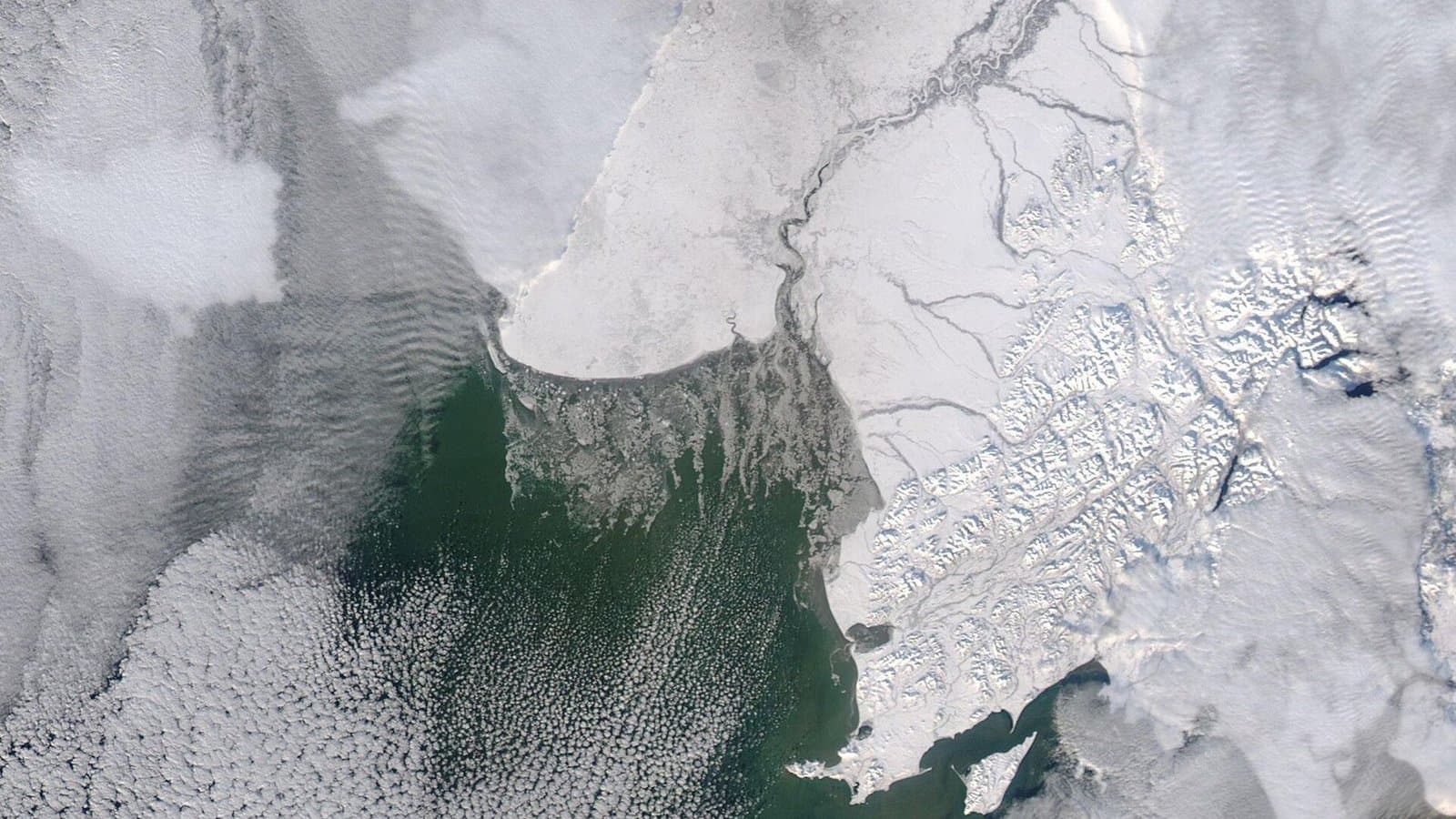
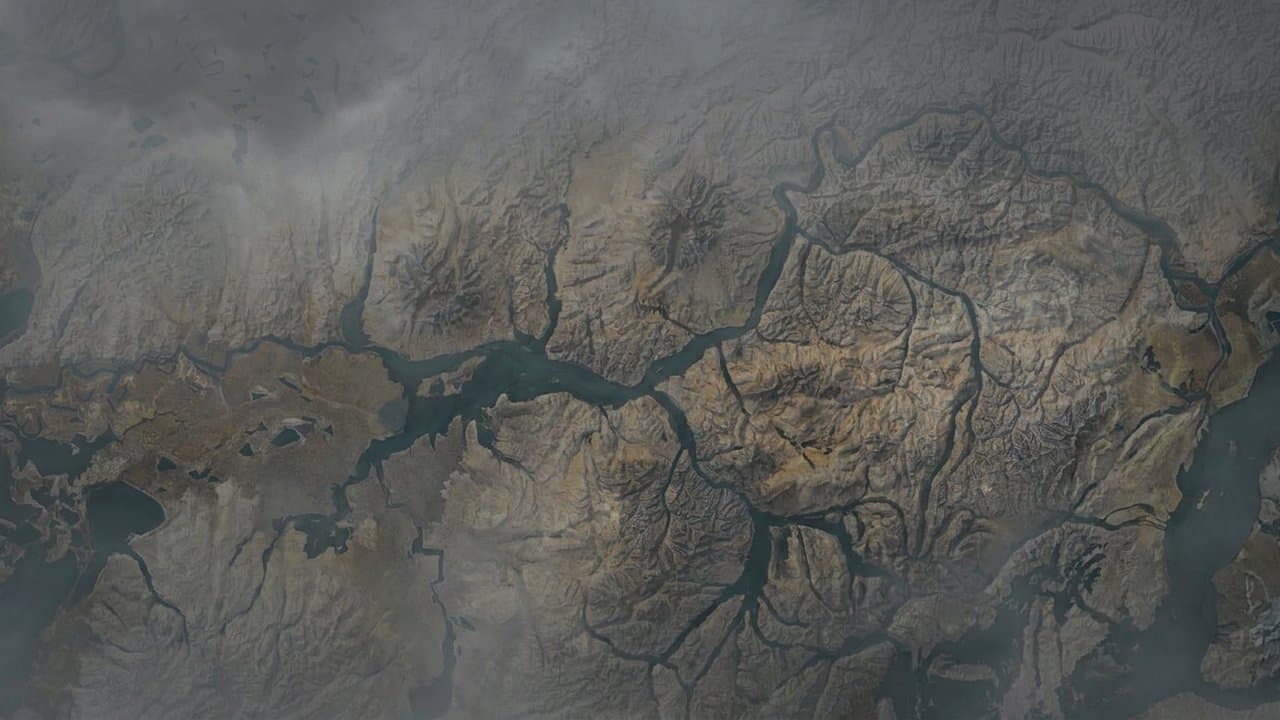
Photo: MODIS Land Rapid Response Team, NASA GSFC via Wikimedia Commons · Photo source · Public domain
Federal grants commit $3.4 million to four Interior and Kuskokwim ice roads
The Federal Highway Administration obligated more than $3.4 million on Nov. 3 to Alaska's Department of Transportation & Public Facilities to build and maintain four ice roads serving Healy Lake, Tanana and villages along the Kuskokwim River. The money came in four separate grants that day, and each award runs through Dec. 31, 2027.
The Kuskokwim route takes the largest share. The FY27 Kuskokwim Ice Road award puts about $2.67 million toward a river road of 250 to 350 miles. Depending on conditions, it will reach as far north as Government Cabin and as far south as Tuntutuliak.
A separate Crooked Creek award of $50,228 covers the northeast portion of that road, from Georgetown to Crooked Creek.
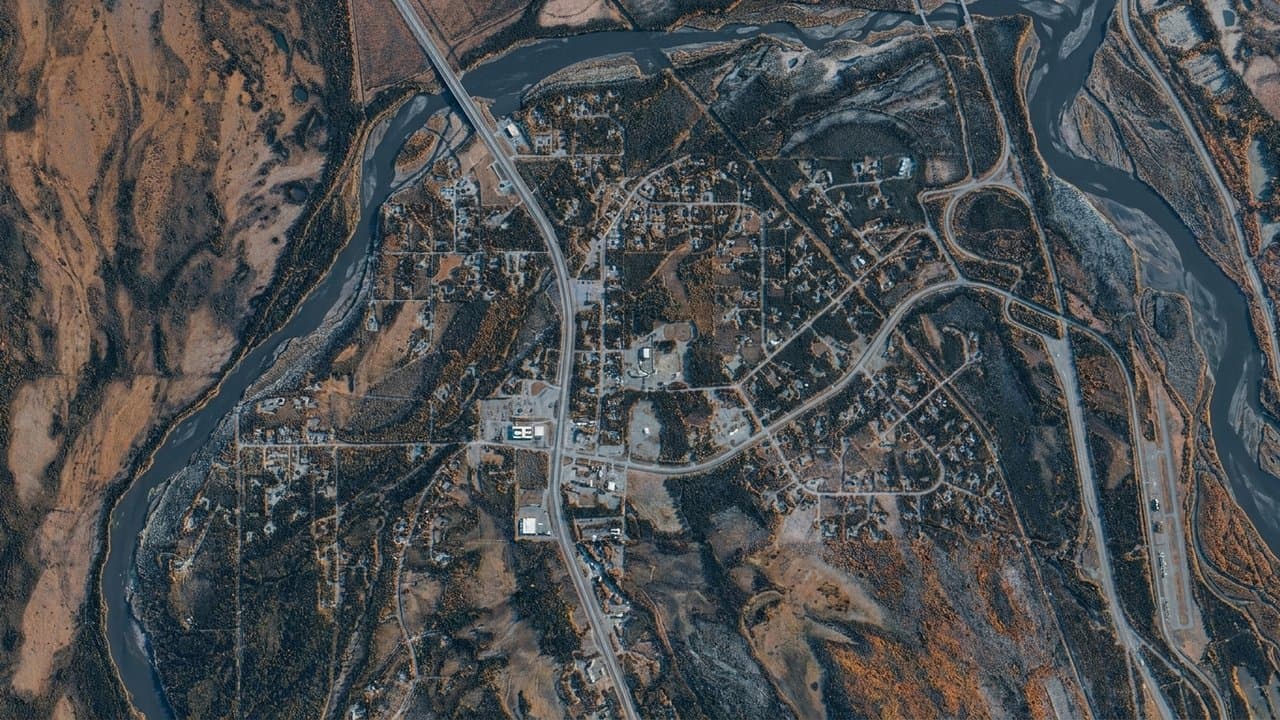
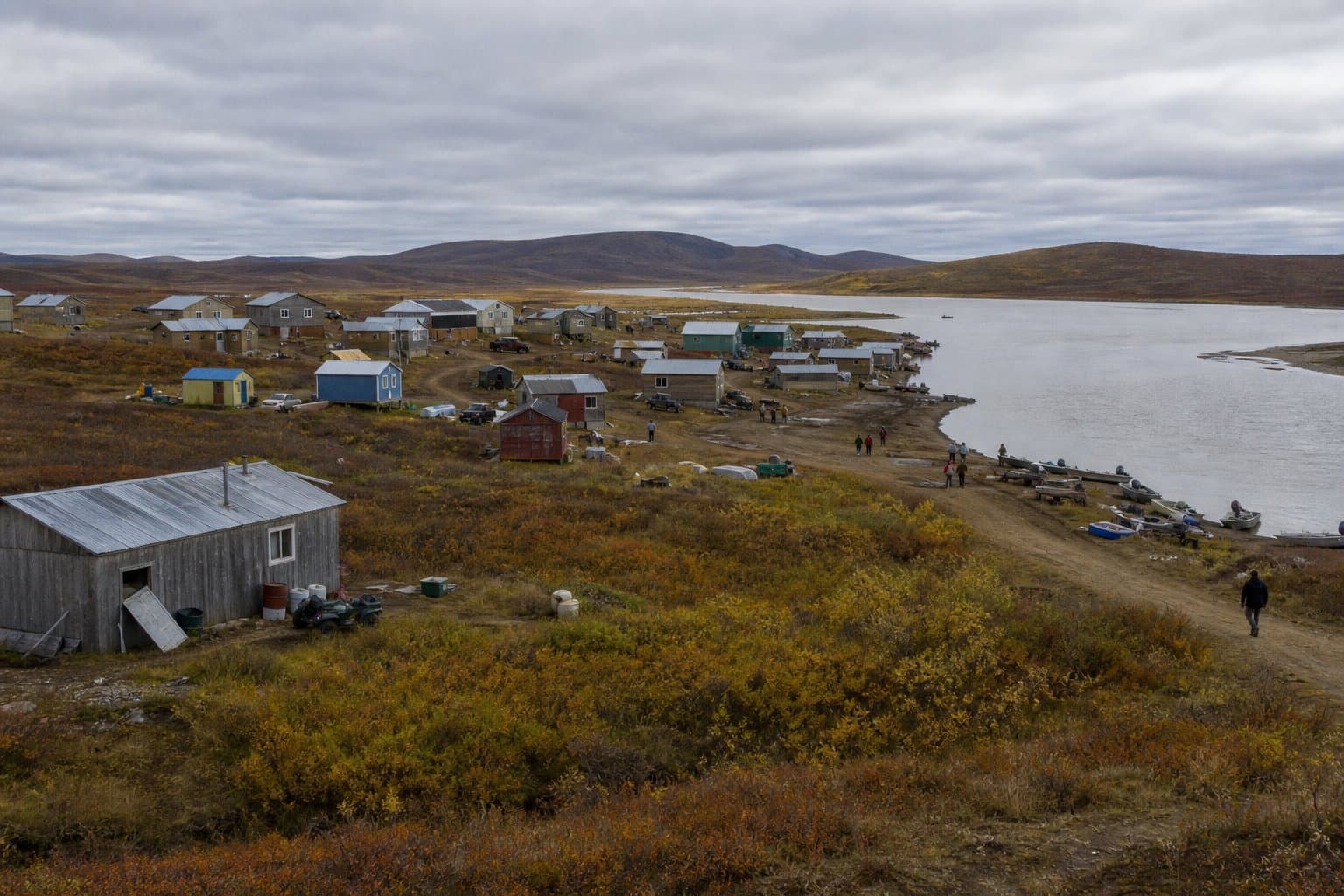
In the Interior, the Healy Lake award provides about $492,000 for an ice road of roughly 10 miles connecting Healy Lake to the road system. The Tanana award provides about $231,000 for a 5.3-mile ice road linking the village of Tanana to Tofty Road on the opposite side of the river.
The state designed all four projects with its own funds, according to the award records, and the required match comes as local in-kind contributions. The amounts are what has been obligated so far, not what has been spent.
The department also runs a Safe Ice Roads for Alaska program, which draws on federal block grant money for 2026 and 2027 and requires a 9.03% non-federal match, according to the program guide. Applications for the 2026-27 season were due July 10.
The Tanana road ties into other state work. The department's Road to Tanana project page describes plans to time a planned early-spring road opening with Tanana's ice-road construction, so freight can move while the ice road remains stable.
State planners expect that window to narrow. A department freight plan says ice roads will be available for less time each year, packing traffic into shorter travel windows. A 2012 Washington State Department of Transportation research report on the Pacific Northwest and Alaska says ice road seasons are predicted to become shorter and less certain, and that adapting may mean more reliance on summer barges and building all-season roads.
What did you make of this story? (no account needed)
Made by our human newsroom with AI. How humans and AI work here · Grow with our newsroom ·
Keep Alaska News free for everyone.
No paywall, ever. Members pay so everyone can read the meetings and records Alaska News covers.
Get Alaska News in your inbox
Create your free account and get the day’s top stories around 6 each morning, in a few minutes’ read.
Top stories, around 6 each morning.
Stories on what you follow, on Sundays.
Source: Alaska Department of Transportation and Public Facilities.




Comments
Sign in to leave a comment.
No comments yet. Be the first to share your thoughts.