
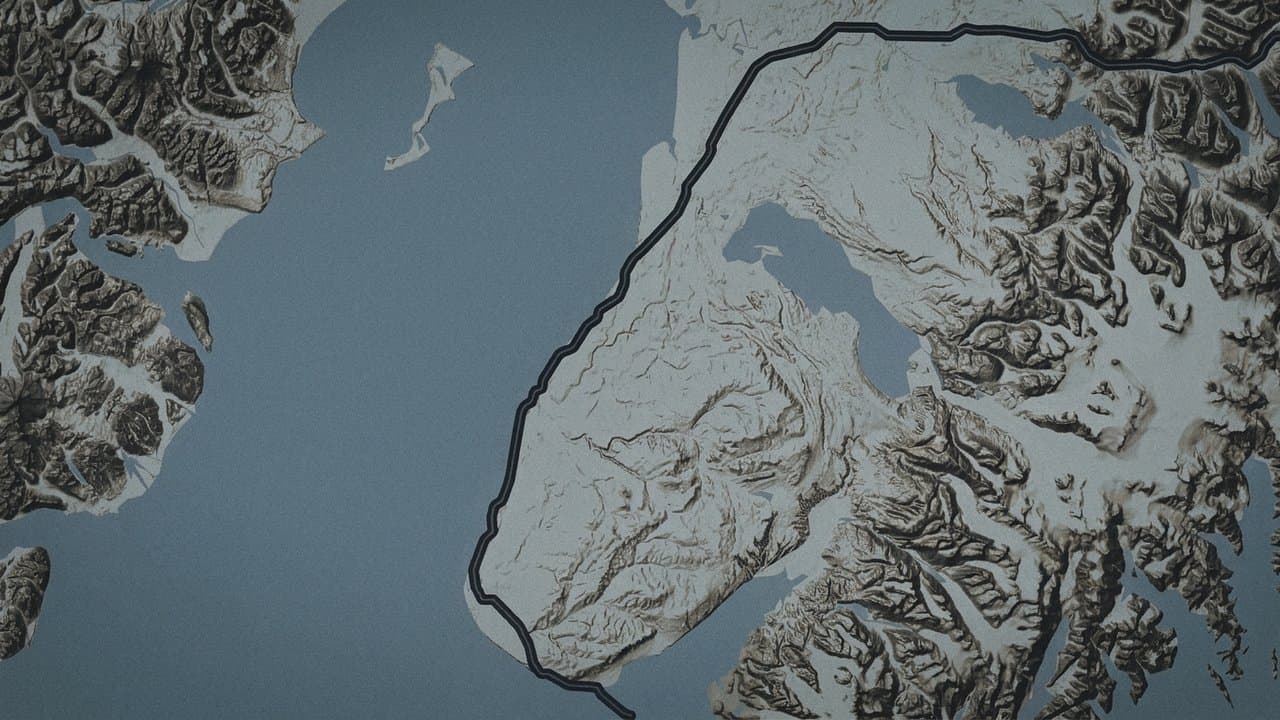
Editorial map (Gemini + Google Maps)
Chickaloon Native Village gets $701,821 to reconnect incarcerated parents with families
The U.S. Department of Justice obligated $701,821 on Nov. 5 to Chickaloon Native Village for a three-year program to help incarcerated parents reconnect with their children and return to Southcentral Alaska, with a primary focus on the Mat-Su region.
The village, based in Sutton, applied through the Chickaloon Village Traditional Council. The grant comes from the Office of Justice Programs' Children of Incarcerated Parents program and runs from Nov. 1 through October 2029. The award record shows the money as obligated, not spent.
The award covers services before and after release: outreach to parents still incarcerated, coordination inside facilities, individual family connection and reentry plans, caregiver outreach, help with communication and visits, parenting support and help navigating services after release. Children, caregivers and other family members are part of the program.
The award description names three barriers the program targets: transportation challenges, housing instability and fragmented service systems, which it says leave gaps in support before and after release. The village plans to work with the Alaska Department of Corrections, a work diversion effort the Alaska Department of Law is developing, tribal partners and community providers.
Expected outcomes listed in the award include stronger planning before release, better caregiver coordination, healthier parent-child relationships where appropriate, and improved access to housing, transportation, behavioral health, recovery support, education and employment.
The Alaska State House Tribal Affairs Committee heard about Alaska Native incarceration and reentry at an April 21 hearing. Katie Cueva, a University of Alaska Fairbanks researcher, told the committee that Alaska Native people have the highest recidivism rate among the groups the Department of Corrections monitors, about 60%. She said about 62% of people sent back to prison were returned for probation or parole violations.
Kendra Kloster, director of government relations for the Alaska Federation of Natives, presented findings from the federation's report on the overrepresentation of Alaska Native people in the criminal justice system. "Alaska Native people experience disproportionately high rates of incarceration, reflecting deep systematic inequalities," Kloster said. She said Alaska Native people make up roughly 19% of the state's population and 44% of those incarcerated.
The Justice Department has made other reentry awards in Alaska this fall, including $750,000 to Tlingit & Haida for tribal youth ages 14 to 21 in Southeast's juvenile justice system and $1 million to the Department of Corrections to house people leaving custody in Anchorage.
What did you make of this story? (no account needed)
Made by our human newsroom with AI. How humans and AI work here · Grow with our newsroom ·
Keep Alaska News free for everyone.
No paywall, ever. Members pay so everyone can read the meetings and records Alaska News covers.
Get Alaska News in your inbox
Create your free account and get the day’s top stories around 6 each morning, in a few minutes’ read.
Top stories, around 6 each morning.
Stories on what you follow, on Sundays.
Source: U.S. Department of Justice, U.S. Department of Justice: [GRANT] Department of Justice: CHICKALOON NATIVE VILLAGE for CHICKALOON NATIVE VILLAGE, THROUGH THE CHICKALOON VILLAGE TRADITIONAL COUNCIL, PROPOSES A FAMILY CONNECTION AND REENTRY INITI... ($701,821).



Comments
Sign in to leave a comment.
No comments yet. Be the first to share your thoughts.