AI image
Anchorage's proposed tax break caps at $497,000. New homes average $750,000.
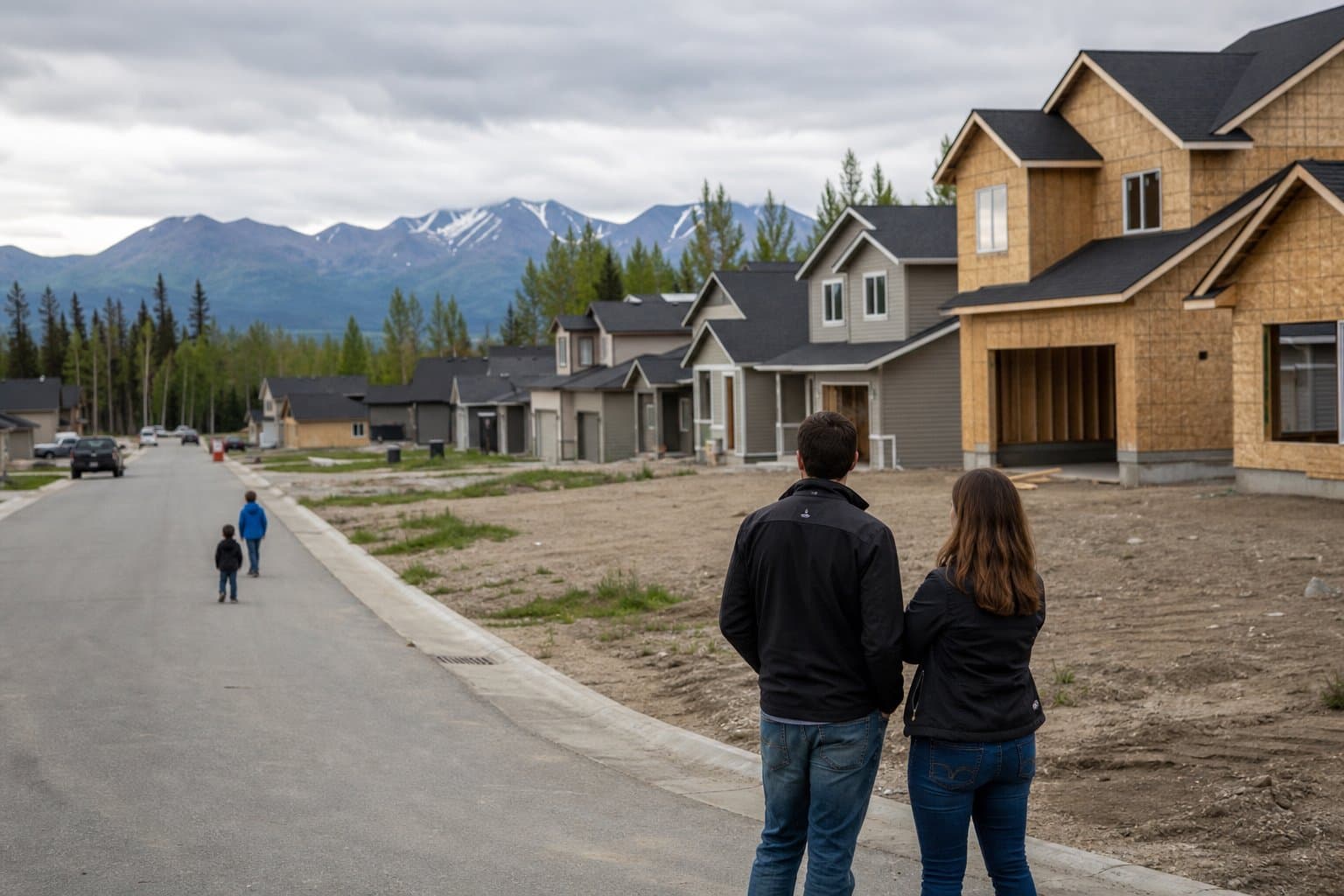
A first-time buyer of a newly built Anchorage home could owe no property tax on it for up to 10 years, if the house sells for no more than about $497,000. New construction in Anchorage averages closer to $750,000.
The cap is not a fixed figure. It tracks the municipality's most recent average assessed value for a single-family home, currently $496,746, and shifts each year.
One resident's written testimony put the exemption's present value to a qualifying buyer at about $44,000.
Mayor Suzanne LaFrance proposed it in June as part of her 10,000 Homes in Ten Years strategy, citing a 40 percent rise in home prices between 2020 and 2025. A companion ordinance would extend the same break to mixed-use buildings with four or more units.
The administration expects no revenue loss. The Department of Law and Department of Finance say the exemption applies only to newly built units that have never been taxed, and project little effect on tax revenue or mill rates.
Assembly members pressed on the price cap at a July worksession. Erin Baldwin Day asked why the incentive attaches to the price of the home rather than "the income of the buyer," and said she was not certain the measure increases supply rather than demand. Jared Goecker questioned who would use it, saying that given the trends in who is buying houses in Anchorage now, "I don't know that it's first-time homebuyers."
The ordinance defines a first-time buyer as a household whose members have not owned a residence in seven years. Buyers must live in the home as a primary residence, short-term rental use ends the exemption, and applications must be filed before a Certificate of Occupancy is issued. The program would stop taking applications after Aug. 31, 2031.
Written testimony for the Aug. 4 public hearing opposed the ordinance, arguing it subsidizes builders and shifts tax burden onto existing property owners.
Source: Anchorage Assembly approves AO 2026-89 creating tax incentives for first-time home buyers.
Made by our human newsroom with AI. How humans and AI work here · Grow with our newsroom
Stay informed. Support what matters.
Free, permanent access to local news you can verify. Subscribe to support Walter AlaskaNews and go ad-free.
Related Coverage
Anchorage Assembly weighs 10-year tax break for first-time homebuyers of new starter homes
Alaska News · 2mo ago
Anchorage's new-home tax break would reach pricier houses under a revision
Alaska News · 3w ago
Two Anchorage housing votes on June 23: a tax break and new fees on the same new homes
Alaska News · 3mo ago
Anchorage Assembly weighs 10-year tax break for condos above shops and offices
Alaska News · 2mo ago
Anchorage Assembly shelves mayor's homebuyer tax break 11-1
Alaska News · 3w ago
Comments
Sign in to leave a comment.
No comments yet. Be the first to share your thoughts.