AI image
Anchorage Assembly to consider permanent mayoral emergency power for disasters outside the city
The Anchorage Assembly is scheduled Tuesday, Oct. 6, to take up an ordinance that would permanently let the mayor declare a civil emergency for disasters outside municipal boundaries when they require emergency response inside the city.
Mayor Suzanne LaFrance and Assembly Chair Anna Brawley submitted the measure. It adds a third category to the city code's definition of civil emergency: any disaster declared by the state or federal government, based on events outside municipal boundaries, that requires "extraordinary emergency response measures within the municipality." Current code covers civil disorder and natural disasters or calamities inside Anchorage or immediately threatening it.
A civil emergency proclamation lets the mayor issue emergency regulations that carry the force of law and supersede conflicting rules while the emergency lasts. Under city code, a proclamation lasts 48 hours unless the Assembly extends it.
The administration says the gap is about money. A municipal declaration "can facilitate reimbursement of emergency expenditures from the State and Federal governments," the mayor's memorandum said. The ordinance says the lack of one "can interfere with reimbursement."
The Assembly closed this gap once before, for a limited time. On Oct. 17, 2025, it passed Emergency Ordinance 2025-1 after storms, including the remnants of Typhoon Halong, devastated large parts of the Yukon-Kuskokwim Delta. The storms displaced thousands of Alaskans from their homes. That ordinance let LaFrance issue a Proclamation of Emergency. It expired after 60 days under the Anchorage Charter.
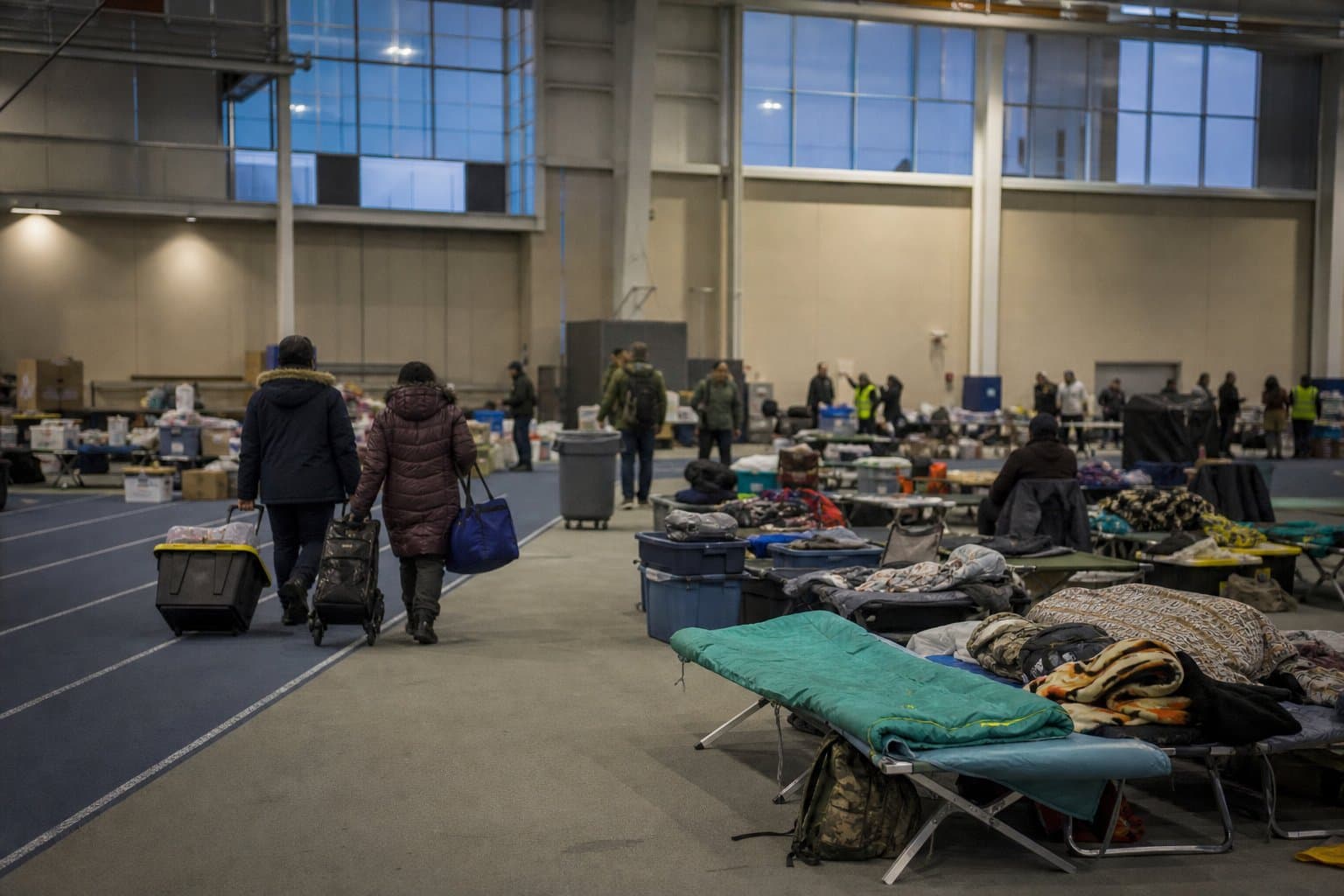
The state asked Anchorage to support mass evacuations and provide shelter capacity for up to 1,600 people. The city opened the Egan Center, the Spenard Recreation Center and the Fairview Recreation Center to evacuees. It also activated its Emergency Operations Center. Anchorage's shelter system received 655 evacuees, and 483 later moved into non-congregate housing, according to a municipal press release. The memorandum says the city budget "is not designed to cover" that kind of support to the state. The federal disaster declaration limits federal Public Assistance to 75% of eligible costs.
The administration reports no known economic effects from the ordinance. It says the change is "anticipated to reduce, rather than increase, costs to the Municipality" in future emergencies.
The ordinance would take effect immediately upon passage. Its text cites the coming one-year anniversary of the Western Alaska emergency proclamation.
Source: Municipality of Anchorage.
AI-assisted. Reviewed by Cale Green. How we use AI
Stay informed. Support what matters.
Free, permanent access to local news you can verify. Subscribe to support Walter AlaskaNews and go ad-free.
Related Coverage
Anchorage's rewritten emergency plan adds six annexes, voids all earlier versions
Alaska News · 1mo ago
Anchorage marks preparedness month after housing 655 evacuees
Alaska News · 1mo ago
Anchorage weighs who decides when cold-weather shelter opens
Alaska News · 3w ago
Anchorage's new emergency plan still has no chapter for disease outbreaks
Alaska News · 1mo ago
Eklutna committed $196,649 to Anchorage for Halong evacuee public safety
Alaska News · 3mo ago
Comments
Sign in to leave a comment.
No comments yet. Be the first to share your thoughts.