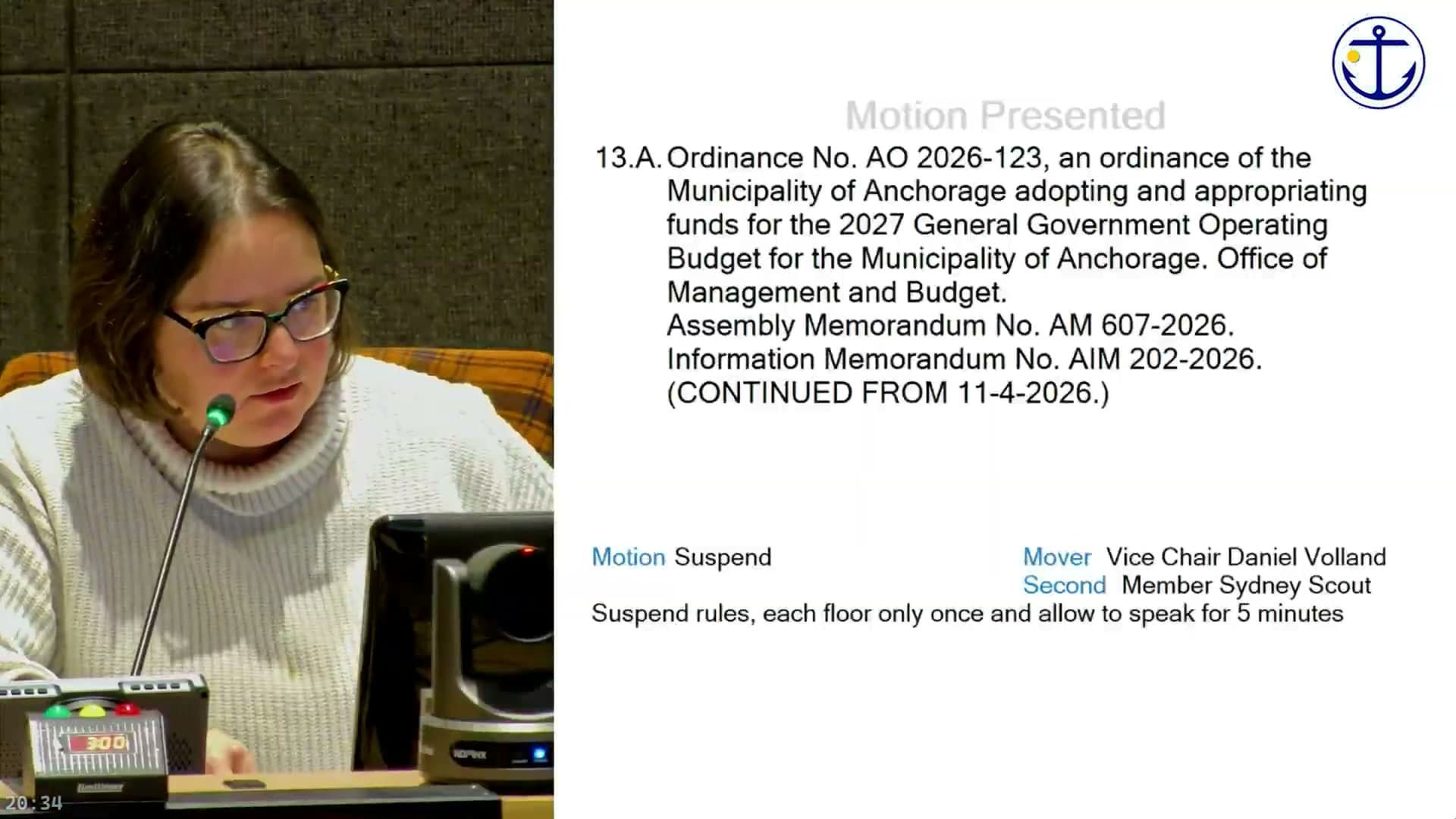
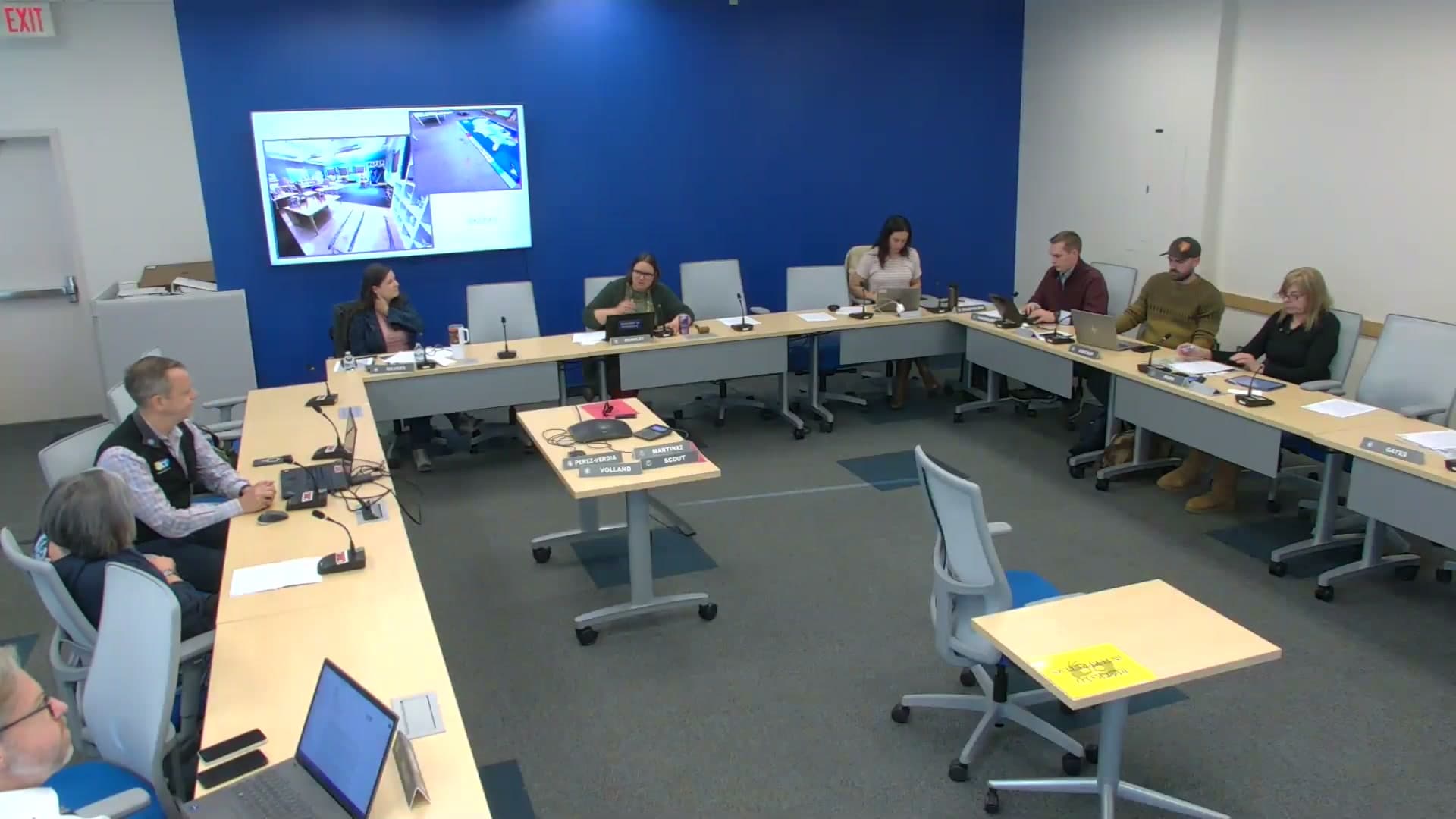
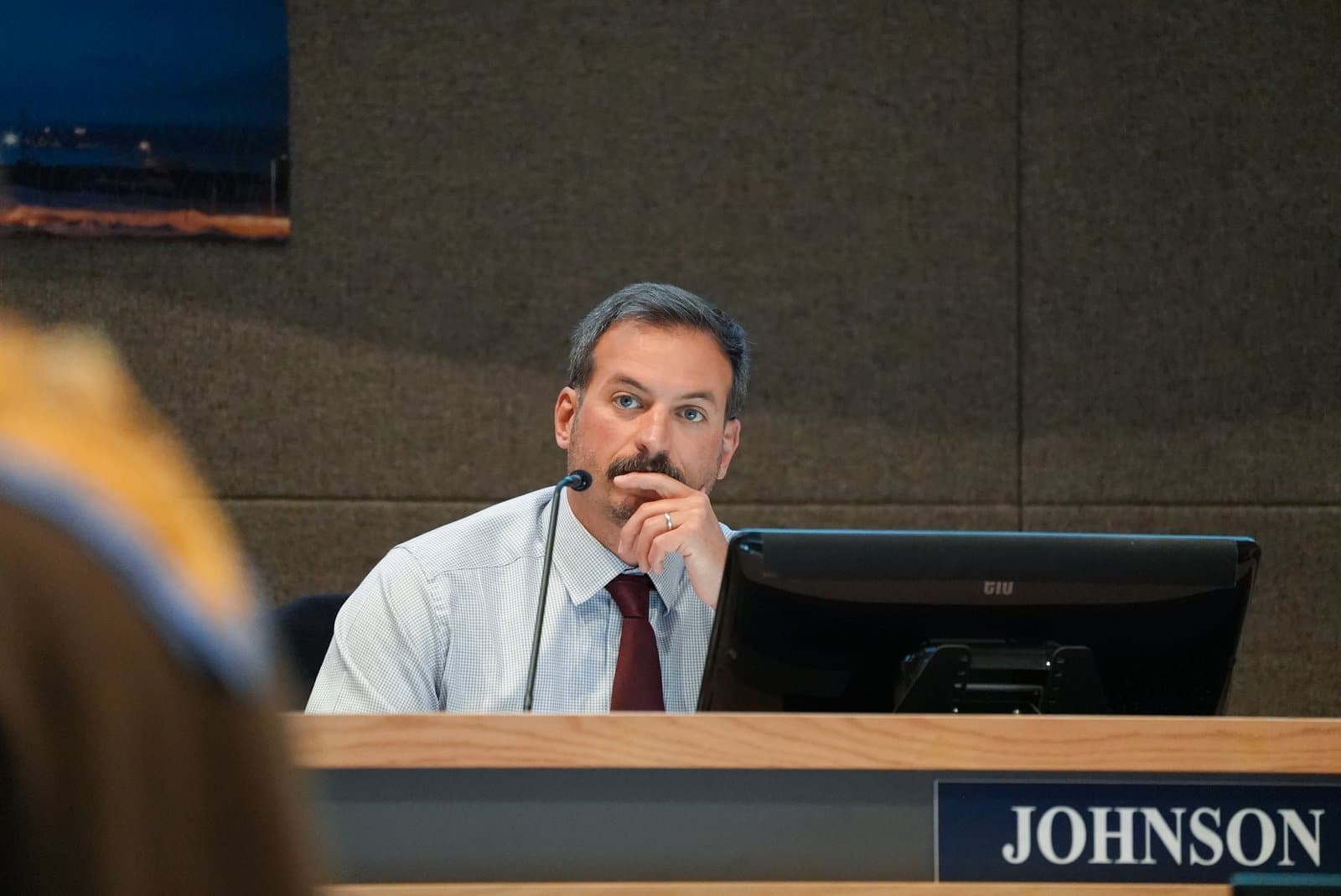
Frame from "Anchorage Assembly: AssemblyRegular: Live" · Photo source
Anchorage Assembly passes budget cutting child care grants and making victim aid one-time
The Anchorage Assembly passed its 2027 general government operating budget 9-2 Tuesday. The budget keeps a cut of about $1 million to child care operating grants paid from marijuana tax revenue. It also moves several alcohol-tax grants to victim-services nonprofits from recurring to one-time funding.
All of Anchorage's marijuana tax goes to the Anchorage Child Care and Early Education (ACCEE) Fund. The fund's board proposed a $5.2 million budget for 2027, a 36.4% decrease from the $8.18 million budgeted in 2026, with flexible operating grants held at $2.4 million. On Oct. 1, the board asked Mayor Suzanne LaFrance to move Anchorage School District pre-K and early literacy funding off cannabis-tax revenue because the rollover cash that had covered those programs was gone. Earlier this month, Assembly Chair Anna Brawley proposed moving half of pre-K back onto the alcohol tax and paying for it by cutting crime victim grants.
Child care providers and nonprofit directors testified Tuesday that both changes would make it harder to keep programs open. Jenny Stucky of Camp Fire Alaska asked the Assembly to fully fund the operating grants at $2.4 million, as the ACCEE board recommended. She said the cut of more than $1 million is a 42.5% reduction.
"Nearly half of these programs operate in the red, and if we lose this funding, we will be forced to close programs in the next 1 to 2 years," Stucky said.
Laura Roark, executive director of Anchorage Montessori School, asked members to keep the $2 million in marijuana tax money in the child care fund. "Our margins, as the director of a child care program, are razor thin," Roark said. She said 78 cents of every dollar her school brings in goes to staff salaries and benefits.
The directors of three victim-services groups asked the Assembly to keep their alcohol-tax allocations as the mayor proposed. Randi Brager of Abused Women's Aid in Crisis asked for the full $225,000 for her organization. She pointed to the Survivors of Homicide Victims Awareness Month resolution the Assembly had adopted earlier that evening. "I'm sure everyone here recognizes the irony that the Assembly is both passing this resolution while also proposing significant cuts to organizations that work to prevent and respond to these homicides," Brager said.
Keely Olson of Standing Together Against Rape said STAR is dispatched to every sexual assault investigation in the city and has been funded by the municipality for five of its 50 years.
The one-time funding amendment passed 8-3. Member Erin Baldwin Day said it would not change any of the amounts in the mayor's budget, only move each line item to one-time funding. Vice Chair Daniel Volland said it is unfair to fund the same nonprofits "year after year after year" while other groups go without. Member Jared Goecker voted no. He said the change tells providers "you might not get funds next year, you might not be a priority to us next year."
Two amendments that would have taken money from Abused Women's Aid in Crisis, STAR and Victims for Justice for other programs each failed 2-9.
Member Donald Handeland proposed ending Route 92, the Eagle River bus, and letting Chugiak-Eagle River decide how to spend what he estimated was its $4.27 million share of transit operating costs. The amendment failed 2-9.
Baldwin Day said a review of how alcohol-tax money is structured will likely take most of next year.
What did you make of this story? (no account needed)
Made by our human newsroom with AI. How humans and AI work here · Grow with our newsroom · Transcript byLucas Brown
Keep Alaska News free for everyone.
No paywall, ever. Members pay so everyone can read the meetings and records Alaska News covers.
Get Alaska News in your inbox
Create your free account and get the day’s top stories around 6 each morning, in a few minutes’ read.
Top stories, around 6 each morning.
Stories on what you follow, on Sundays.
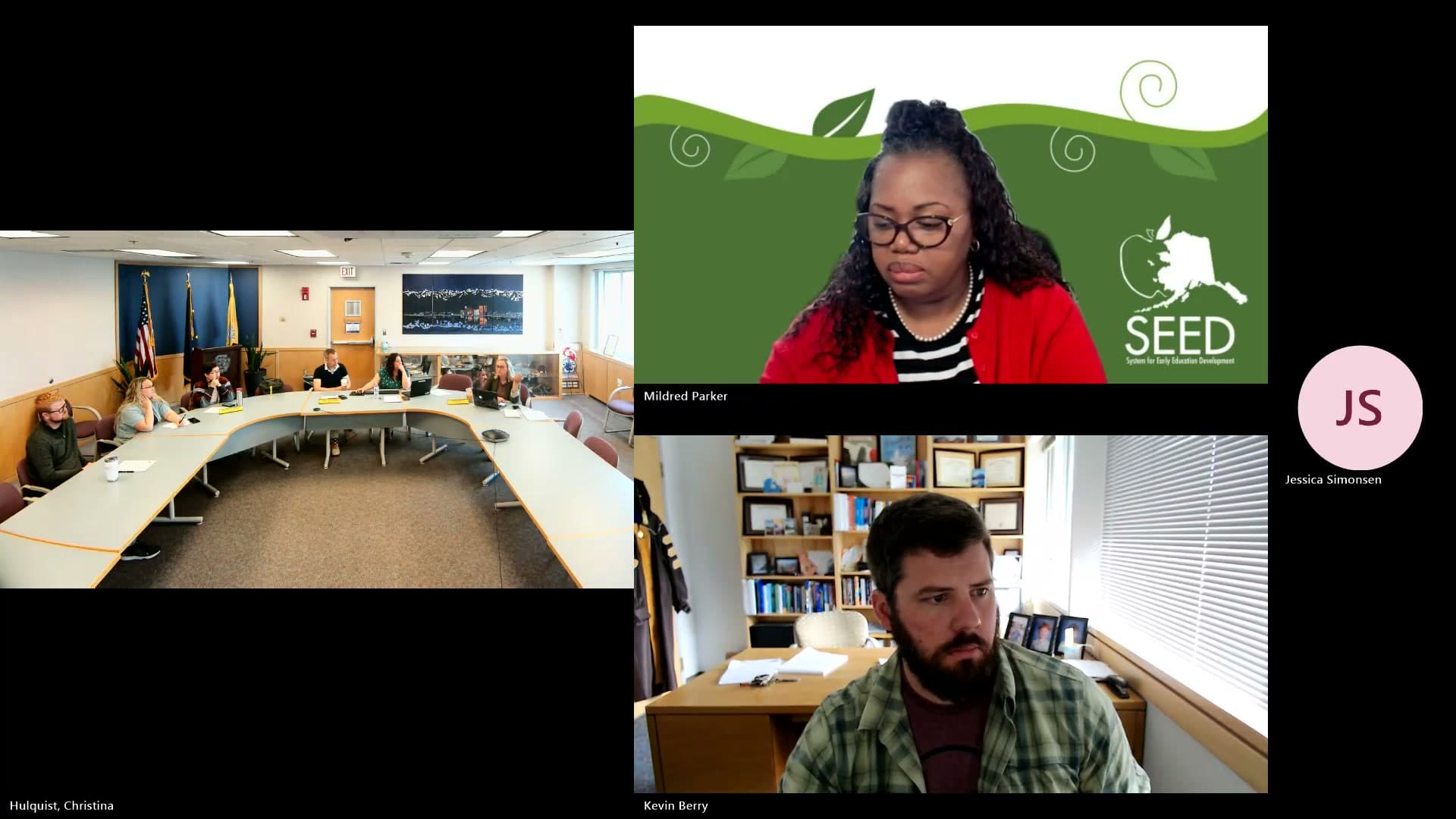
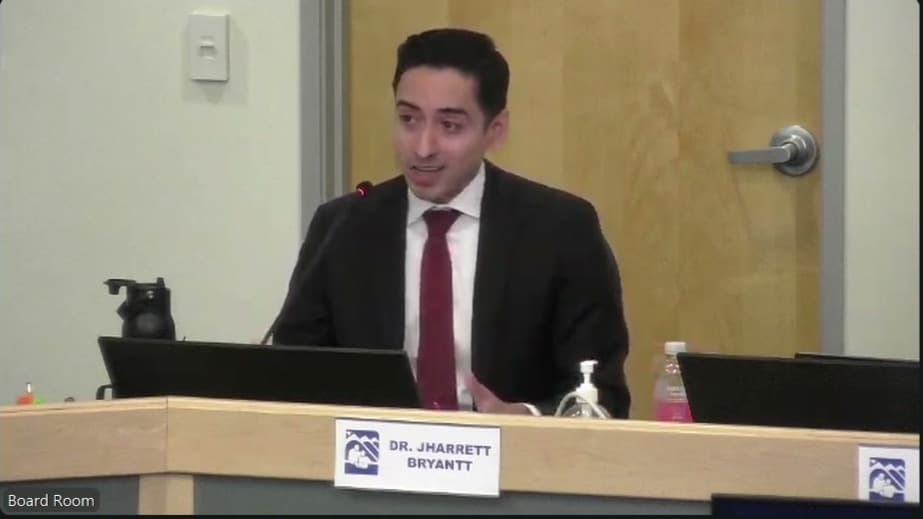
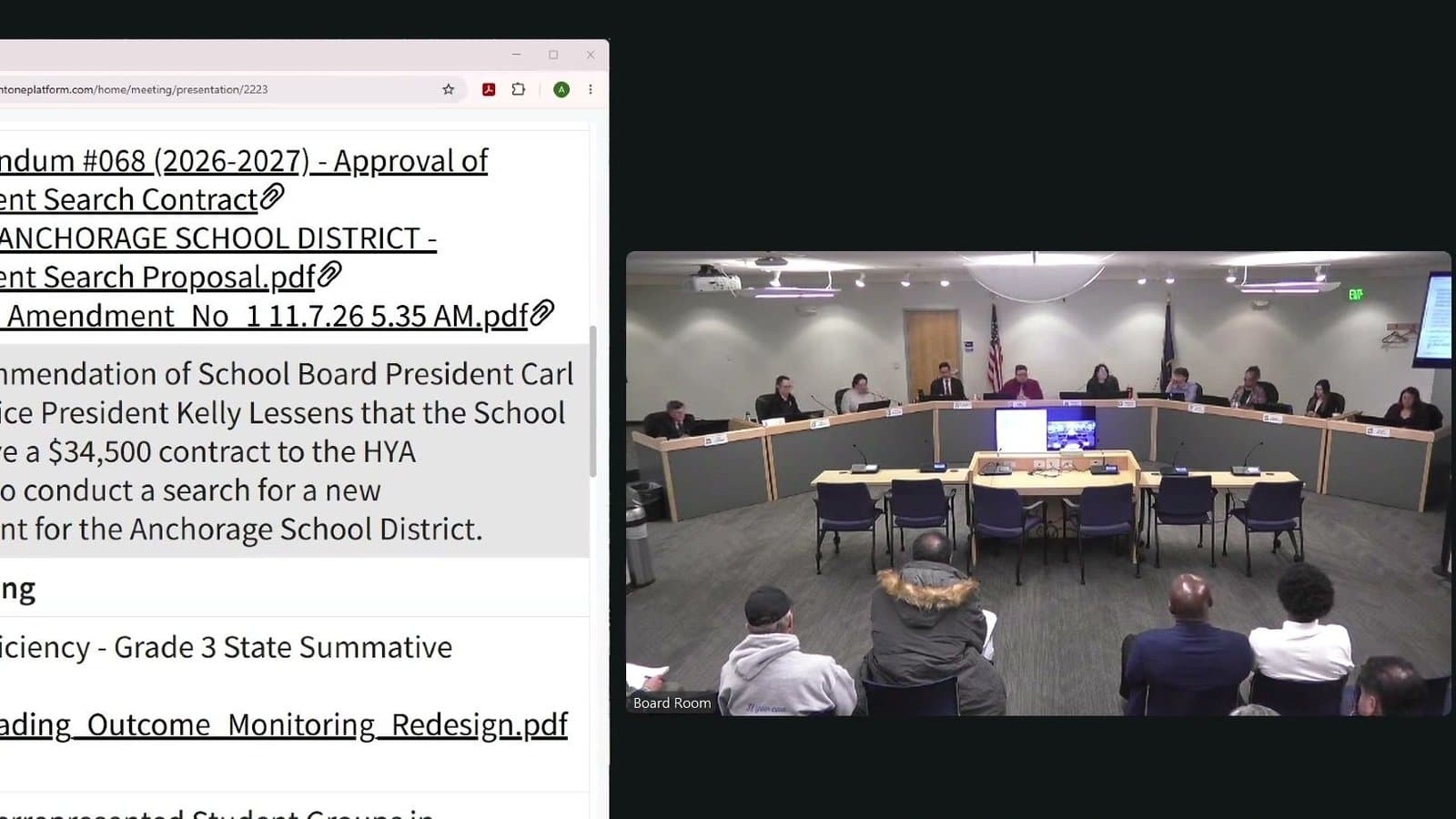
This article is based on a public meeting of Municipality of Anchorage — Anchorage Assembly: AssemblyRegular: Live ().
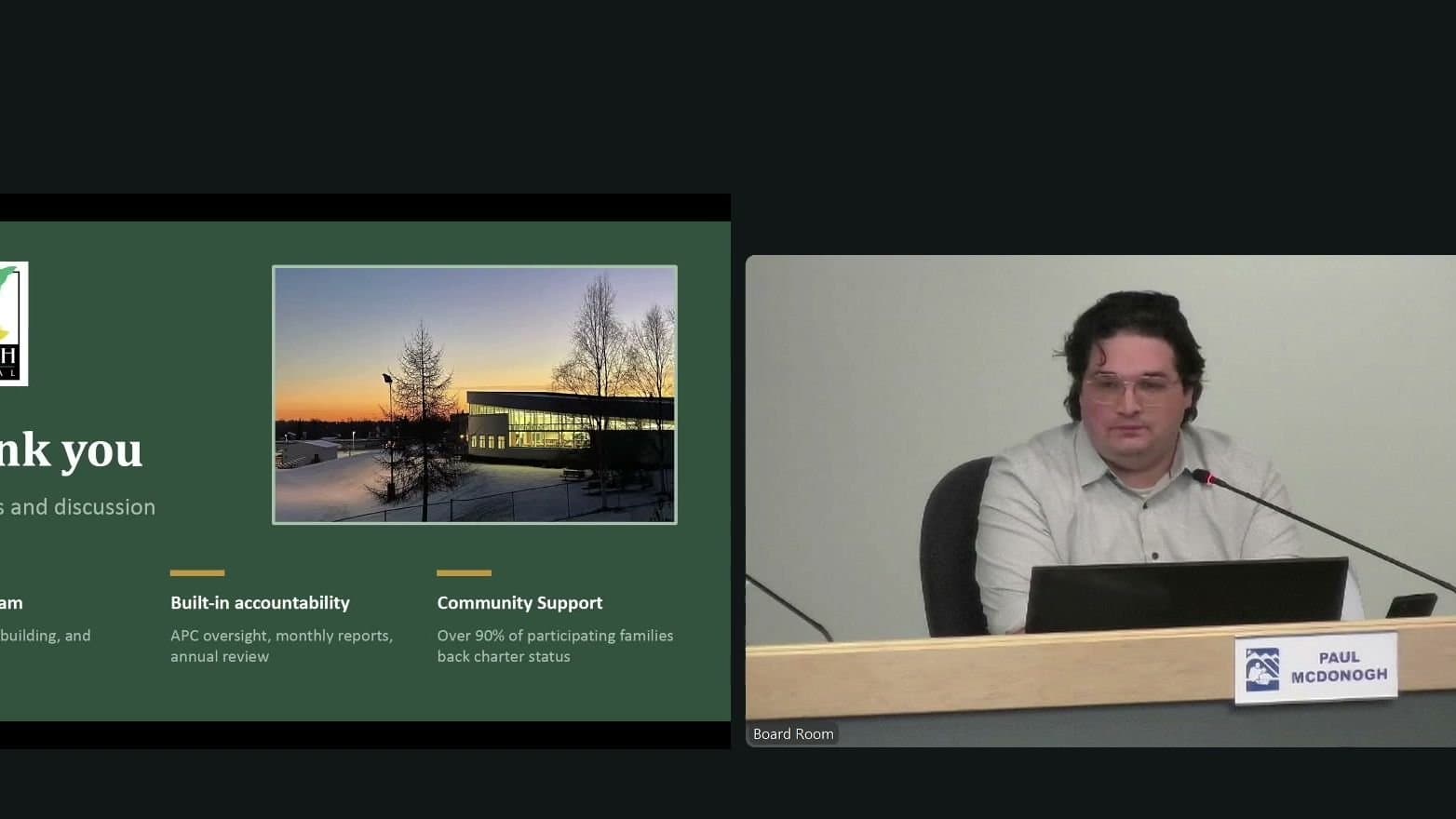
Watch key moments from the source meeting. Click to expand.






Comments
Sign in to leave a comment.
No comments yet. Be the first to share your thoughts.