AI image
Anchorage Assembly approves $599,000 crime center buildout, delays surveillance rules to Sept. 15
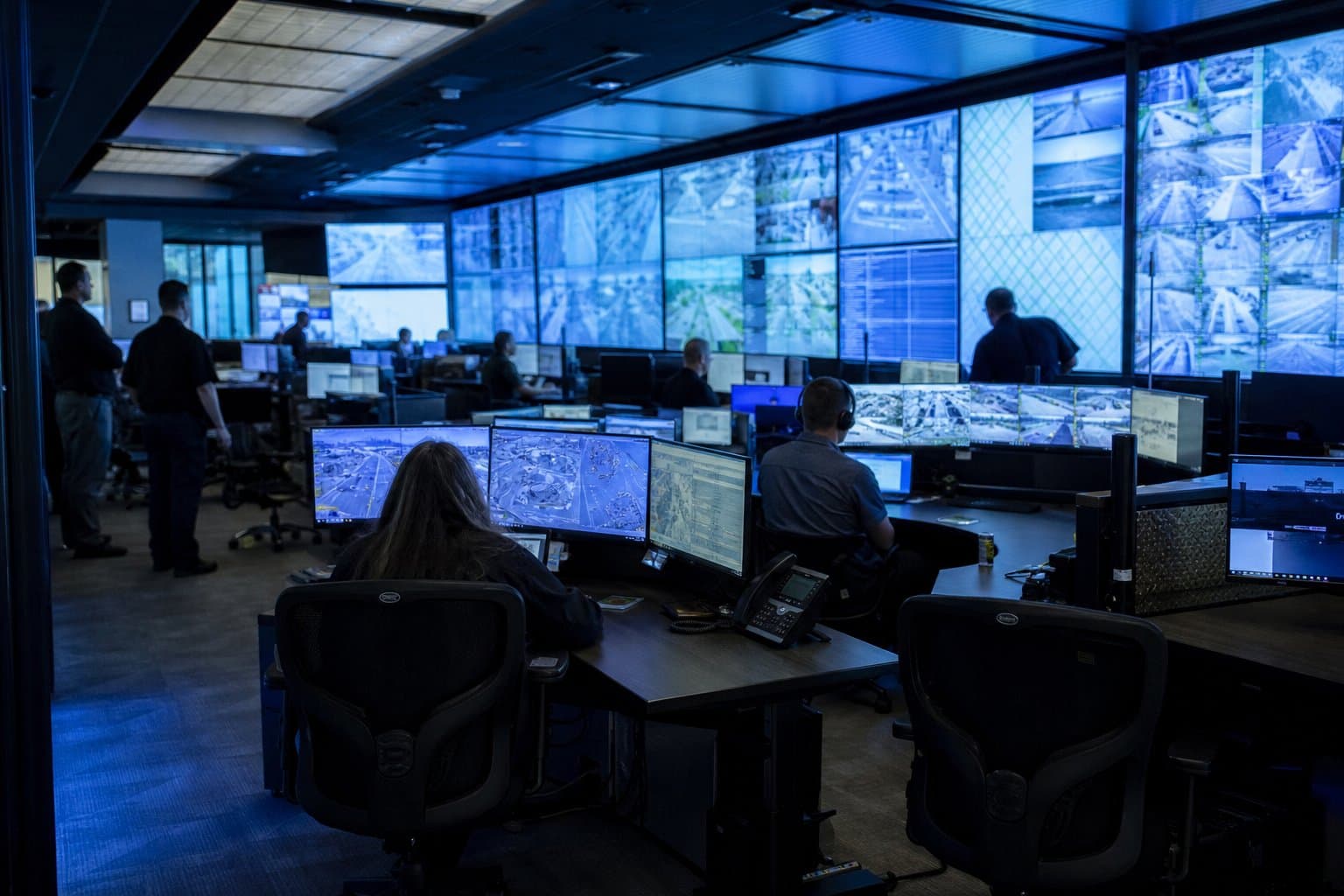
The Anchorage Municipal Assembly funded an expansion of the Anchorage Police Department's Real Time Crime Center on Tuesday, Sept. 1, while the legal limits meant to govern that center remain unwritten. The Assembly approved a $598,998.10 buildout of the center the same night it continued, without a vote, the public hearing on a separate ordinance that would set those limits in municipal code. That hearing now moves to Sept. 15, so for now the center operates under police department policy rather than law.
The buildout purchase goes to ThunderCat Technology through a cooperative contract off another government's bid, and paid from the Federal/State Fine and Forfeiture Fund rather than general municipal revenue. It holds fines and forfeited property. Police Chief Sean Case recommended the purchase and Mayor Suzanne LaFrance submitted it. The item was postponed twice before passage.
On Sept. 23, 2025, the Assembly approved a five-year contract with Axon Enterprise of about $11.8 million for a crime center designed to receive up to 750 camera feeds, along with automated license plate readers and drone technology. The ordinance's findings state the point plainly: "the operation of these technologies is presently governed only by departmental policy which by its own terms does not apply in any criminal or civil proceeding."
Case adopted three policies covering the crime center, drone response and license plate readers effective Feb. 20, 2026. Under those policies, plate-reader data is retained for a maximum of 14 days and search access is restricted to fewer than 10 employees, with the chief required to conduct a quarterly assessment weighing public safety benefits against privacy risks. The proposed ordinance would convert limits like these from policy the chief can revise into code the Assembly controls.
The ordinance, sponsored by Assembly Member Keith McCormick, Assembly Member Sydney Scout and Assembly Vice Chair Daniel Volland, would require permanent deletion of plate, video, audio and sensor data within fourteen days unless preserved as evidence or under a warrant, litigation hold or records request. Real-time plate comparison would be limited to five categories tied to stolen vehicles, emergency alerts, felony warrants, felony investigations and missing persons, and barred for misdemeanors. Live monitoring would cut off after sixty minutes absent a written supervisor justification. The plate reader authorization would repeal itself Jan. 1, 2031 unless renewed, and any new surveillance technology would need Assembly approval for a 90-day trial. If passed, its general prohibitions would take effect immediately and the rest 90 days later.
The sponsors wrote in their transmitting memorandum that the center "may provide situational awareness for specific incidents, but it may not serve as a system of continuous observation or virtual patrol." An Aug. 21 slide of Case's set video against plate readers. Its video column read "We cannot find and track people," directly above "It's possible to find and track objects." The plate reader column said the department can pull plates and a vehicle's location for 14 days but not who was driving.
The continued hearing on Sept. 15 remains open for testimony. Phone testimony requires signing up by 5 p.m. the day before, and written testimony uses a separate form. Anyone who signed up for Sept. 1 must sign up again.
AI-assisted, reviewed by editors.
Stay informed. Support what matters.
Free, permanent access to local news you can verify. Subscribe to support Walter AlaskaNews and go ad-free.
Related Coverage
Anchorage Assembly takes up a $599,000 crime center purchase and surveillance limits
Alaska News · 2d ago
As a crime center vote nears, Anchorage weighs whether its privacy limits should be policy or law
Alaska News · 1w ago
Anchorage weighs surveillance rules 11 months after buying the system
Alaska News · 6d ago
Anchorage is considering expanding its surveillance network. The privacy rules are still a draft.
Alaska News · 1mo ago
Ordinance would make police ask before buying surveillance tech
Alaska News · 2w ago
Comments
Sign in to leave a comment.
No comments yet. Be the first to share your thoughts.