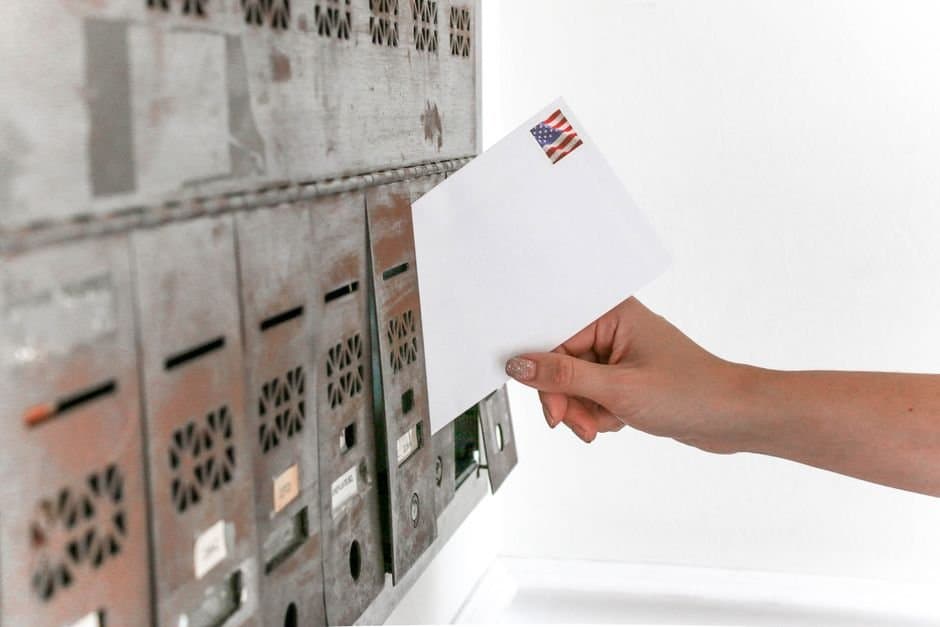
Photo by Element5 Digital on Pexels · Source
Alaska's mail ballots will not need barcodes after a Supreme Court denial
Alaskans who mail a ballot this November will not need a barcode tied to their name on the envelope. The Supreme Court on Monday refused to lift the lower-court injunctions blocking a new Postal Service rule that would have required one.
Nothing about Alaska's procedures changes. The deadline to apply for a by-mail absentee ballot is Oct. 24. Ballots postmarked by Election Day still have to arrive by Nov. 13 to count, and the Division of Elections still recommends asking a postal clerk to hand-cancel yours at the counter rather than dropping it in a box.
The rule would have hit Alaska's online delivery option hardest. Voters who use it print the ballot, a secrecy sleeve and the return envelope at home from a PDF. The rule required return envelopes to carry a barcode from an authorized ballot mailer, with designs submitted to the Postal Service for review. Nothing in the rule or the Court's order explains how an envelope printed on a home printer in a village would satisfy that.
The rule, published Aug. 26 and following a March executive order, would have required covered ballot envelopes to carry the official Election Mail logo, to be shaped and printed so sorting machines can read them, and to bear the voter's unique tracking barcode with the delivery point ZIP code embedded. States would also have had to enroll voters in advance on a participation list at least 30 days out. It reached the Nov. 3 general election only, not primaries, and not the municipal and regional school board elections most Alaska communities hold Oct. 6.
Alaska took no side. Twenty-four states, the District of Columbia and the governor of Pennsylvania opposed the rule, and twelve more states intervened to support it. Alaska is in neither group, and the word does not appear in the Court's order, in either separate opinion, or in the government's application.
The Court's order runs three sentences: the government is unlikely to win on the merits, and the balance of factors does not favor emergency relief. Justice Brett Kavanaugh agreed on narrower ground, writing that the rule may well fall within the Postal Service's authority but that imposing it on the 2026 elections would be arbitrary and capricious because officials do not have time to implement it. Justice Samuel Alito dissented, joined by Justice Clarence Thomas.
The Postal Service had given the rule an effective date of Aug. 21, five days before it was published, writing that any delay would jeopardize implementation for November.
The injunctions stand while the case continues.
Source: A postal rule would have put a barcode unique to each voter on every Alaska ballot envelope. The Supreme Court left it blocked on Monday, and Alaska argued on neither side ().
Drafted with AI. Edited by Cale Green (1 revision). Reviewed by Cale Green. Who is accountable.
Stay informed. Support what matters.
Free, permanent access to local news you can verify. Subscribe to support Walter AlaskaNews and go ad-free.
Related Coverage
Supreme Court lets Trump's mail-voting order advance, but Alaska's rules are unchanged for now
Alaska News · 3w ago
Supreme Court upholds the mail-ballot rule rural Alaska relies on
Alaska News · 1mo ago
Alaska's ranked-choice fight returns to the Supreme Court, months before a repeat repeal vote
Alaska News · 4w ago
Savoonga's voting barriers surface in Senate election-integrity debate
Alaska News · 1mo ago
Alaska clerks are under four weeks out from local elections
Alaska News · 5d ago
Comments
Sign in to leave a comment.
No comments yet. Be the first to share your thoughts.