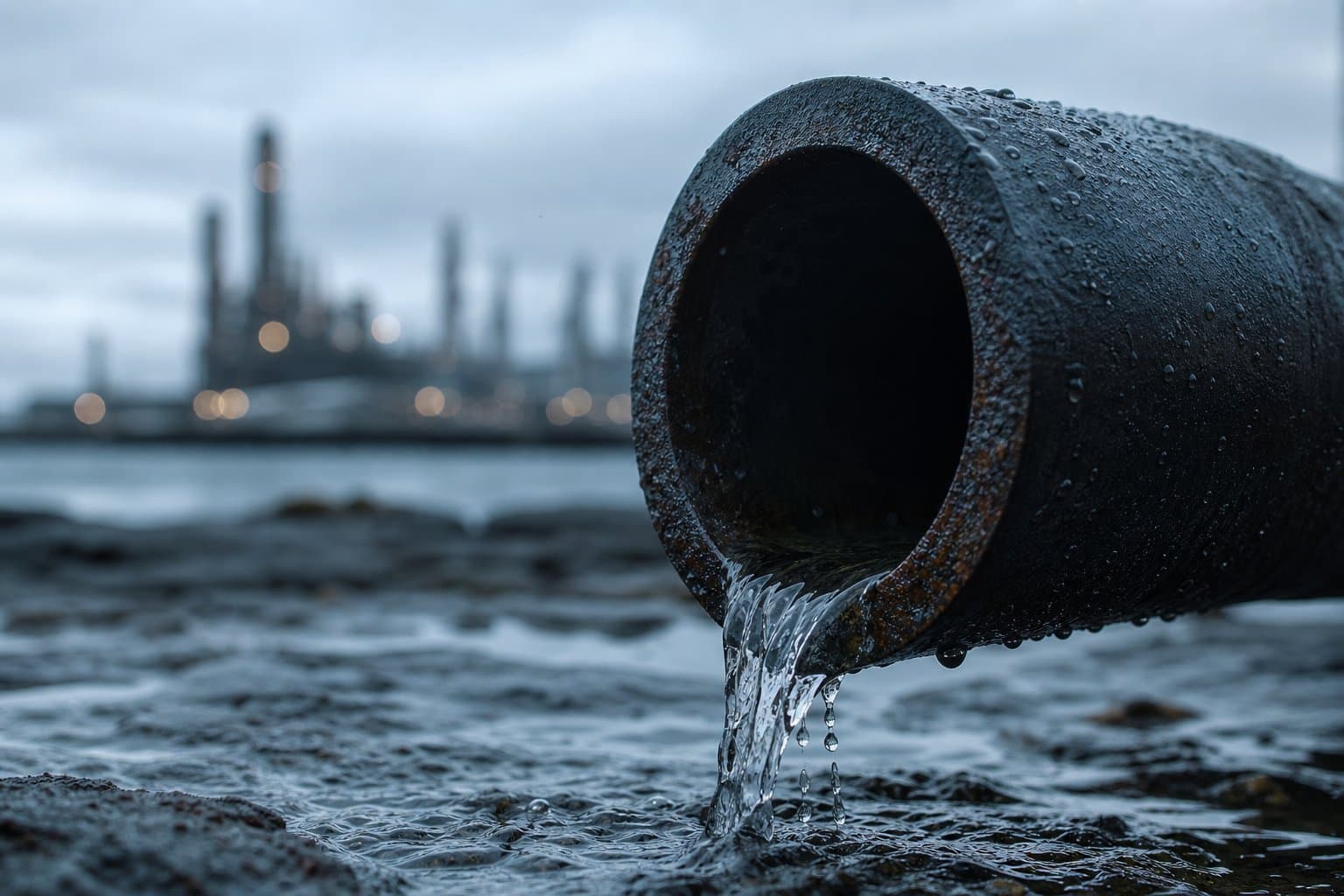
AI-generated (GPT Image)
Alaska's 2026 stormwater permit tightens industrial discharge rules statewide
Alaska's 2026 Multi-Sector General Permit for industrial stormwater discharges becomes effective Monday, imposing updated compliance requirements on approximately 350 facilities statewide. The permit covers ports, refineries, mining operations, and airports, with new electronic reporting mandates, revised benchmark monitoring, and updated corrective action procedures.
Industrial stormwater discharges to surface waters of the state require authorization under an Alaska Pollutant Discharge Elimination System permit. About 200 Alaska facilities have filed for no-exposure certification to be excluded from APDES industrial stormwater requirements. The Alaska Department of Environmental Conservation issued the final permit package April 27 and signed the permit document April 28.
Current permittees keep coverage under the new permit and have 120 days from the June 1 effective date to update their coverage by submitting new Notices of Intent and updated Storm Water Pollution Prevention Plans. All submissions now go through DEC's Environmental Data Management System, replacing paper processes. DEC completed the reissuance process with a fact sheet and response-to-comments document after public review.
The 2020 Multi-Sector General Permit expired March 31, 2025, and had been in administrative continuance until the new version was finalized. The 2026 permit runs through May 31, 2031, and covers 29 industrial sectors across Alaska, excluding the Metlakatla Indian Reservation and Denali National Park and Preserve.
Corrective action procedures change under the new permit: facilities must complete an inspection and report to DEC within 28 total days after a benchmark is exceeded or a discharge contributes to impaired waters. DEC concurrence is now required for any claim that further pollutant reductions are not economically practicable.
Benchmark monitoring changes remove iron and magnesium from many sectors but add Total Suspended Solids and pH requirements to numerous sectors based on EPA data. The permit retains a 1.0 mg/L iron benchmark for high-risk sectors. Facilities must conduct quarterly benchmark monitoring for the first four full consecutive quarters of coverage; if the average does not exceed the benchmark, monitoring for that parameter may cease for the permit term.
For Air Transportation facilities, new federal Effluent Limitation Guidelines prohibit airfield pavement deicing discharges containing urea unless ammonia monitoring is conducted and meets numeric limits. Mining sectors must align construction stormwater controls with the Alaska Construction General Permit and may reduce inspections during winter shutdown, starting 14 days after anticipated fall freeze-up and resuming 21 days before anticipated spring thaw.
AI-assisted, reviewed by editors. Spot an error?
Related Coverage
Upper Copper River king salmon fishery requires new permit in 2026
Alaska News · 2w ago · 9 views · 75% match
Alaska water systems face July deadlines to claim PFAS settlement funds or lose right to sue
Alaska News · 1w ago · 75% match
Alaska DOT imposes four-tier weight limits on Northern Region roads
Alaska News · 1w ago · 73% match
Alaska seeks federal approval to regulate carbon storage wells
Alaska News · 1w ago · 6 views · 73% match
DNR advances Graphite One drilling permit near Nome
Alaska News · 23h ago · 5 views · 73% match
Comments
Sign in to leave a comment.
No comments yet. Be the first to share your thoughts.