Alaska Supreme Court requires police to stop and clarify ambiguous requests for a lawyer
Troopers and police officers in Alaska must stop questioning a suspect and ask whether the person wants a lawyer whenever the suspect makes an ambiguous reference to counsel, the Alaska Supreme Court ruled Friday.
The court adopted the rule under article I, sections 9 and 11 of the Alaska Constitution, and it affirmed the reversal of Steven Ridenour's first-degree murder conviction.
Justice Oravec wrote the opinion. "Police must seek clarification when a suspect makes an ambiguous or equivocal request for counsel," the opinion said. Clarifying questions must be "ministerial and non-adversarial," and may not be used to persuade a suspect to give up the right to a lawyer.
The rule is broader than federal law. Under the 1994 U.S. Supreme Court decision in Davis v. United States, officers may keep questioning a suspect who has waived Miranda rights (given up the right to remain silent and to a lawyer during questioning) unless the suspect clearly and unambiguously asks for an attorney. The Alaska Court of Appeals had already found no federal violation in Ridenour's case. The state constitution, the Alaska Supreme Court held, provides more.
The rule revives the reasoning of Giacomazzi v. State, a 1981 Alaska decision allowing officers to seek clarification of an equivocal request for counsel. That decision rested on federal grounds and lost its federal footing after Davis. The Alaska Court of Appeals wrote in its 2023 Ridenour opinion that the rule "remains the correct rule to apply under our state constitution." The Alaska Supreme Court agreed, and applied it explicitly to ambiguous requests made after a Miranda waiver.
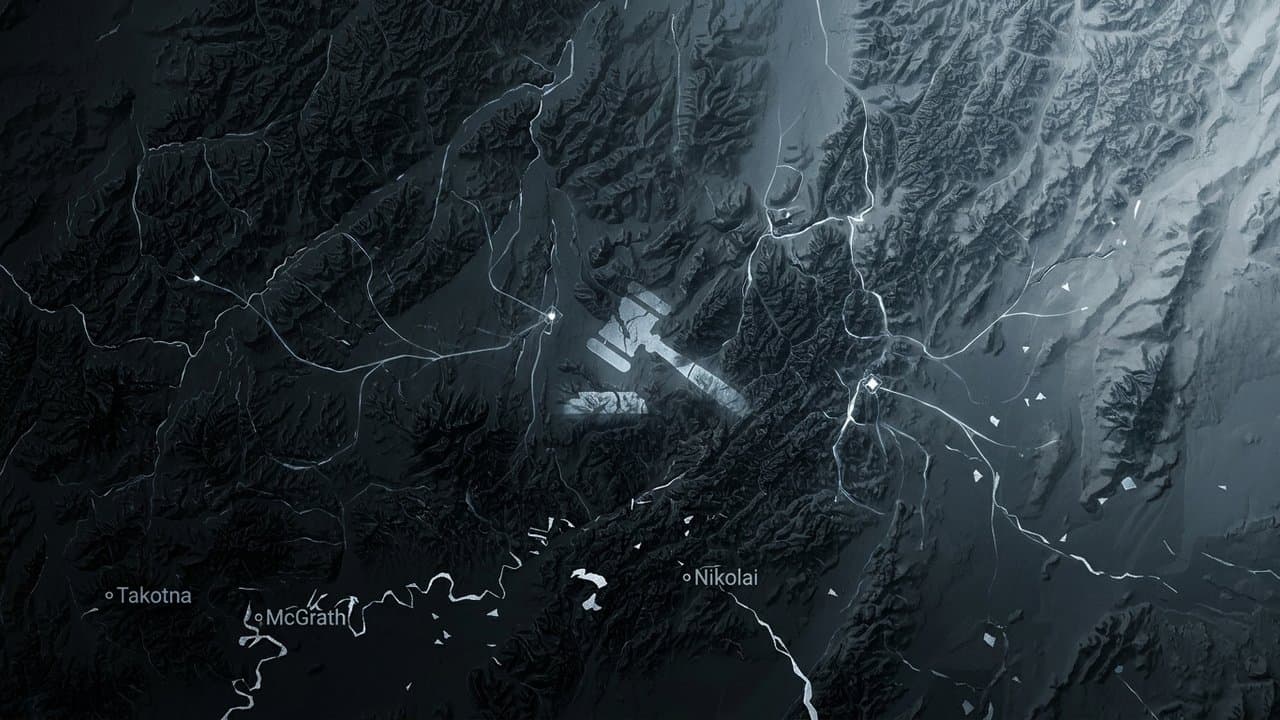
The case began at a remote work site in the summer of 2015, where Ridenour and Steven McCaulley were coworkers. Troopers found McCaulley's body with numerous gunshot wounds. During a November 2015 custodial interview in Anchorage, after waiving his rights, Ridenour asked, "Should I do this without an attorney?" and then, "Am I hanging myself here?" A trooper answered that troopers could not advise him and that he could stop at any time, then said that without his account investigators would not know where to look for evidence.
That response was not enough, the court held. Ridenour was never reminded he had the right to counsel and was never asked whether he wanted a lawyer.
Attorney General Treg Taylor and Assistant Attorney General Diane L. Wendlandt argued for the state, urging the court to adopt the federal standard and warning that a clarification requirement would burden investigations. The court called the burden a light one and said the state failed to show that expediency outweighs a constitutional right. Assistant Public Defender Renee McFarland argued for Ridenour. The Innocence Project filed a brief supporting him.
AI-assisted, reviewed by editors. Spot an error?
Related Coverage
The state must bridge the language gap before ending parental rights, court says
Alaska News · 3w ago · 76% match
Alaska Supreme Court clarifies active-efforts standard in Jace B. ICWA case
Alaska News · 2mo ago · 73% match
Alaska Supreme Court upholds ICWA termination, clarifies standards
Alaska News · 1mo ago · 73% match
Alaska appeals court identifies DUI jury instruction tension in Homer case
Alaska News · 1mo ago · 73% match
Alaska high court: first-filed court is preferred custody forum
Alaska News · 2h ago · 72% match
Comments
Sign in to leave a comment.
No comments yet. Be the first to share your thoughts.