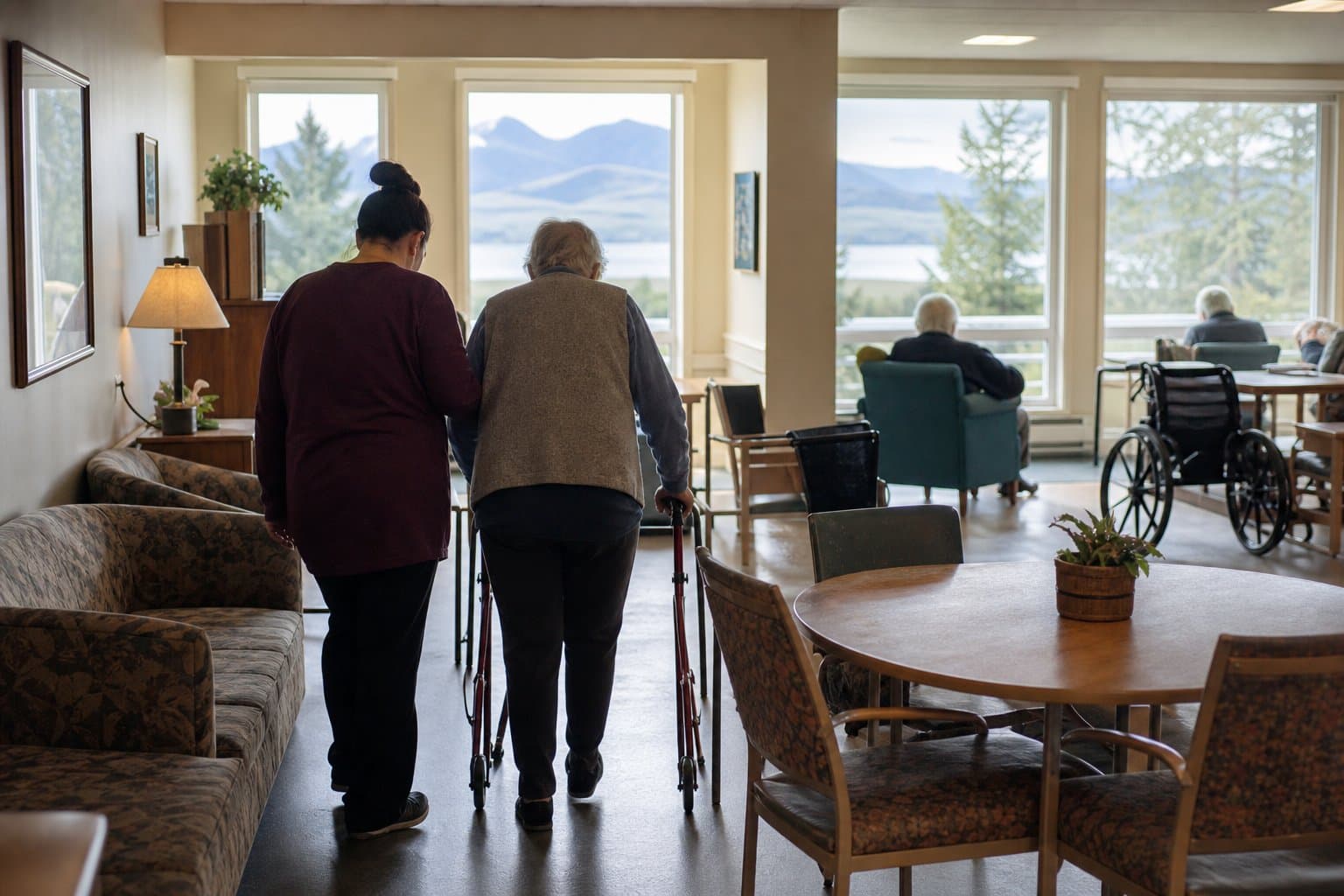
AI image
Alaska nudges up what it pays to keep seniors out of nursing homes
Alaska is paying a little more to keep its most vulnerable seniors out of nursing homes. On July 1, the state raised the daily rate it reimburses providers under the General Relief Assisted Living Home program — the money that covers care for low-income elderly and disabled Alaskans who can't afford assisted living on their own — from $109.32 to $113.13 per resident, a bump of about 3.5 percent.
The dollars are small; the logic behind them isn't. This program exists on a straightforward bet: paying for someone to live in a small assisted-living home is far cheaper, for the state and better for the person, than the institutional care they'd end up in otherwise. The Alaska Commission on Aging makes that case directly, arguing these grants "keep people out of more expensive care facilities" while letting seniors age in place. So even a modest rate increase is really a question of whether the state is paying providers enough to keep the beds open.
That's where the harder problem lives. The people doing this work — direct support professionals — are chronically underpaid, and advocates warn that low wages drive the turnover and staffing shortages that quietly hollow out programs like this one. A few dollars more per resident per day helps at the margins, but whether it's enough to keep homes staffed and willing to take General Relief clients is the real test.
One wrinkle worth noting for providers: the increase is running on budget language alone for now. The state moved the rate up immediately to match the Legislature's intent, but the Department of Health still has to write the formal regulations to lock it in later this year.
Based on a press release from Alaska Health.
AI-assisted. How we use AI
Stay informed. Support what matters.
Free, permanent access to local news you can verify. Subscribe to support Walter AlaskaNews and go ad-free.
Related Coverage
Alaska nudges up what it pays to house low-income seniors
Alaska News · 2mo ago
Alaska corrects fiscal year 2027 waiver rate chart as 3.2% Medicaid increase takes effect
Alaska News · 2mo ago
Alaska's Medicaid home-care waivers renewed, but a waitlist persists
Alaska News · 1mo ago
Alaska nursing home costs highest in US as senior population surges
Alaska News · 4mo ago
Alaska Legislature Passes Bill Requiring Home Care Agencies to Fund Workers
Alaska News · 4mo ago
Comments
Sign in to leave a comment.
No comments yet. Be the first to share your thoughts.