AI image
Alaska DNR tightens rules for stream water reservations
Anyone seeking to keep Alaska stream water for fish, wildlife, recreation or other public uses must have at least five years of monthly data before applying, under rules Alaska Department of Natural Resources Commissioner John Crowther adopted and the state filed Oct. 7. Effective Nov. 6, the rules cover all new reservation applications, not just fish ones.
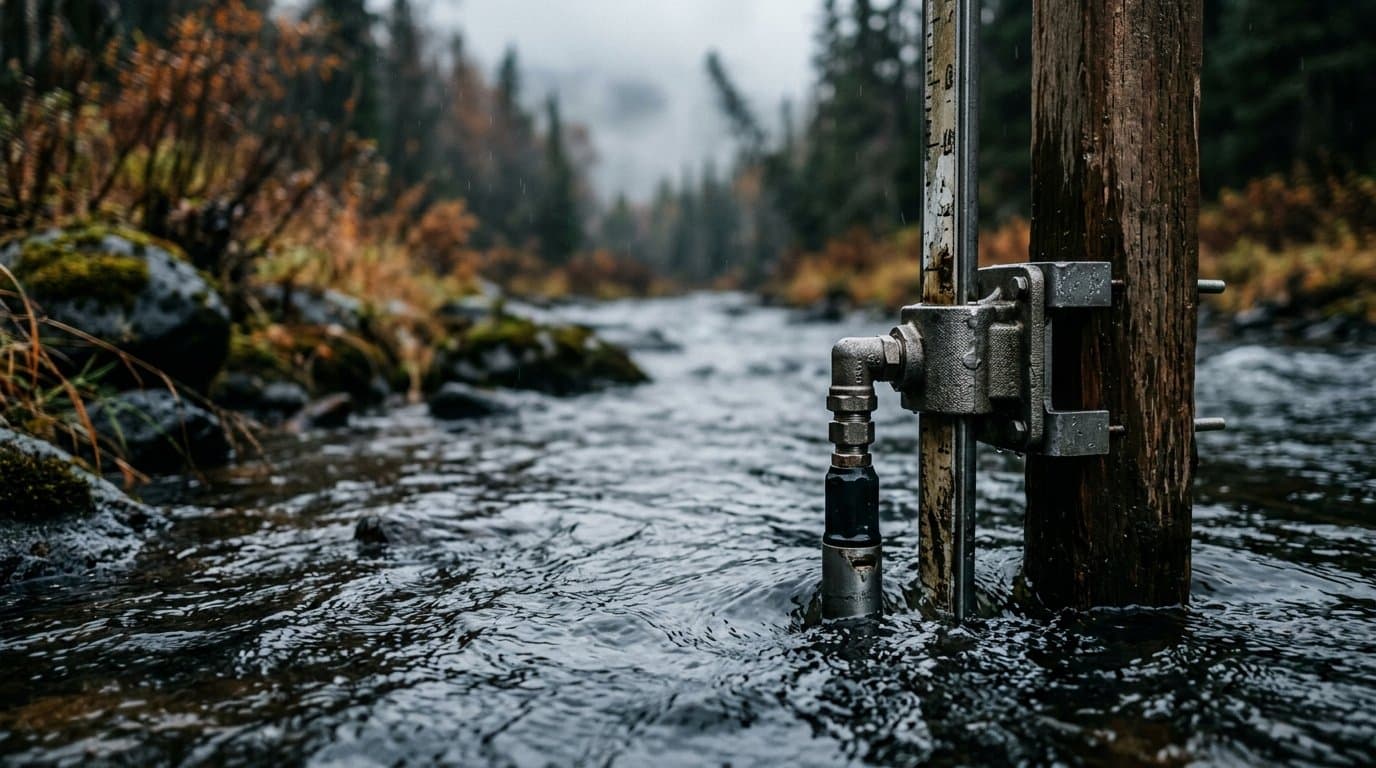
Certificates of reservation will go only to applicants that are state or federal resource management agencies. DNR said those include the Alaska Department of Fish and Game and the U.S. Fish and Wildlife Service. Previously every applicant got a certificate. For tribes, nonprofits and others, DNR will hold the certificate while the applicant remains responsible for its conditions. DNR said current reservations are unaffected by that change. Applicants must also install, maintain and report from approved measuring devices, a requirement once left to the commissioner's discretion.
Applicants previously had up to three years after DNR accepted an application to gather data, with a possible two-year extension for good cause, and a duty to report back and update the application. The new rules end that window and repeal the other two provisions.
Applications must state why the reservation is needed and include the fee. Fish-protection applications must also identify species using the stream reach, estimate fish supplying sport, commercial and subsistence use, assess how flows affect spawning and rearing habitat, and document upstream and downstream land ownership. When a protest is filed, the protestant pays for added research. Otherwise, the commissioner may split costs among the department, applicant or certificate holder. Previously the state paid unless an expedited review was requested.
"Revisions will provide an efficient, consistent, and cost-effective water reservation process to encourage development of state water for its highest and best use consistent with the public interest," Christy Colles, director of DNR's Division of Mining, Land and Water, said in May. DNR later said the changes "are not intended to impose barriers." The agency called the rules' effect on a backlog of nearly 500 pending applications, including 202 from the U.S. Fish and Wildlife Service, unknown.
"With one minor exception described later in this letter, we enthusiastically support the proposed regulation changes," Alaska Miners Association Executive Director Deantha Skibinski wrote. Usibelli Coal Mine Vice President Lorali Simon said of instream flow reservations, "The IFR process has been used as a weapon by environmental non-governmental organizations to stop resource development projects." Usibelli objected only to the gage and review-cost duties for applicants not holding certificates. DNR kept both requirements.
Opponents included Chickaloon Village Traditional Council, which said the rules may affect its Moose Creek application near Palmer, filed nearly 20 years ago. The council said the rules "would also shift authority and control over certificates of reservation away from many successful applicants and toward DNR itself." DNR has said pending applications are unaffected. Cook Inletkeeper, a Homer nonprofit and Fish and Game's co-applicant on a Stariski Creek reservation, said the requirements "are a barrier for Tribes, local communities, and nonprofit organizations seeking only to protect public resources." The Native Village of Kivalina IRA Council said the rules exceed DNR's authority: "The Department failed to identify applicable state law or court decisions that provide a basis for the regulations, particularly when the legislature has twice rejected the Department's proposed changes."
DNR held no hearing and refused requests to extend the June 30 comment deadline, including one request for a 120-day extension. Those two repeals were not in the May proposal. Otherwise, the adopted text matches it. The rules will appear in the January 2027 state register.
Source: notice.alaska.gov, Alaska adopts tougher rules for reserving water in streams for fish, effective Nov. 6, with certificates for non-agency applicants going to DNR.
Made by our human newsroom with AI. How humans and AI work here · Grow with our newsroom
Stay informed. Support what matters.
Free, permanent access to local news you can verify. Subscribe to support Walter AlaskaNews and go ad-free.
Related Coverage
Alaska is quietly making it harder to keep water in its rivers for salmon
Alaska News · 3mo ago
Alaska tightens stormwater rules for industrial sites, with no more easy "too expensive" exits
Alaska News · 4mo ago
BLM rule would let NPR-A operators waive subsistence conditions without public notice
Alaska News · 1mo ago
DNR proposes mandatory back-fees for unauthorized use of state land
Alaska News · 2mo ago
Yukon salmon conservation rules are now locked into state regulation, not left to managers' discretion
Alaska News · 2mo ago
Comments
Sign in to leave a comment.
No comments yet. Be the first to share your thoughts.