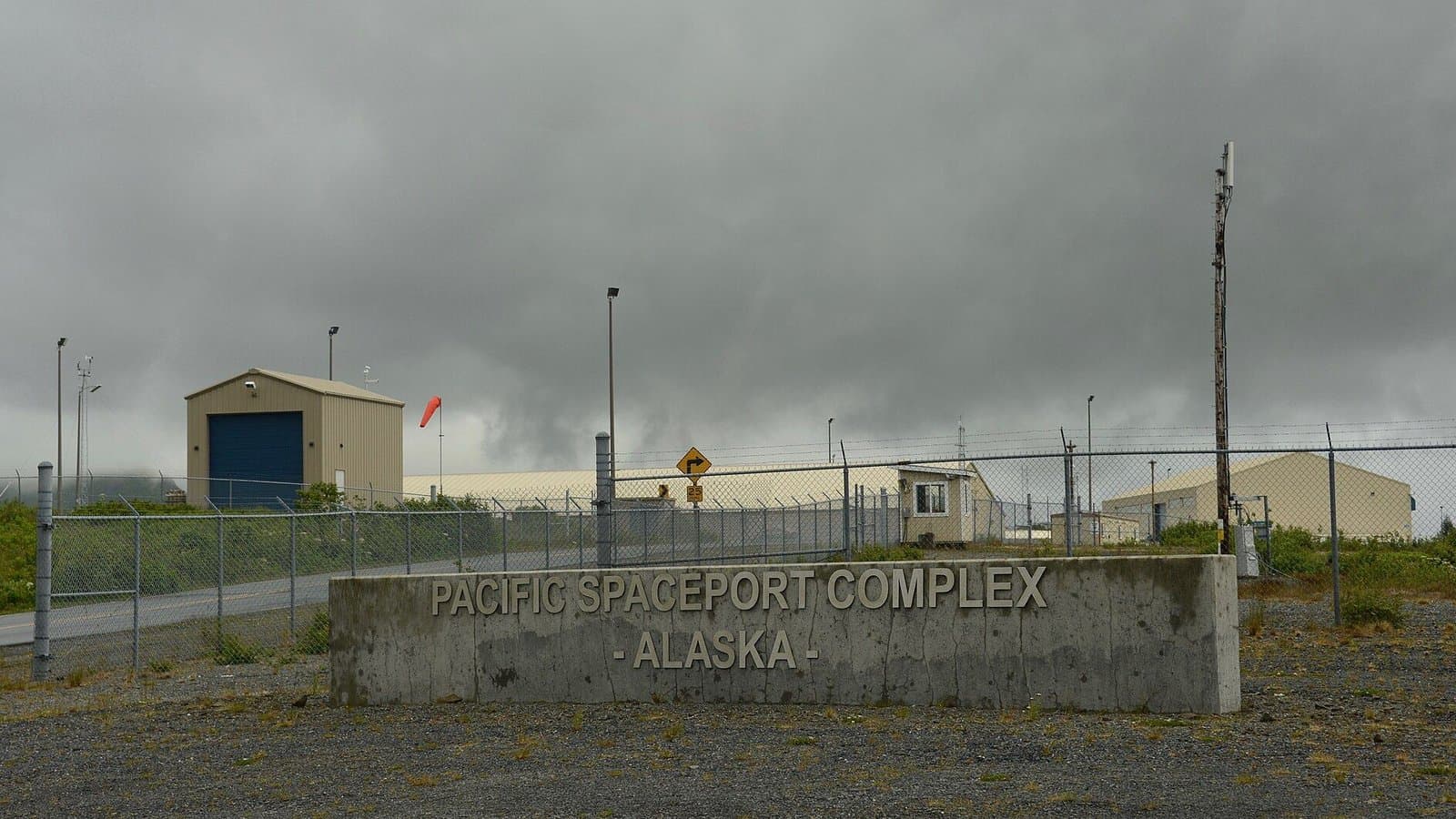
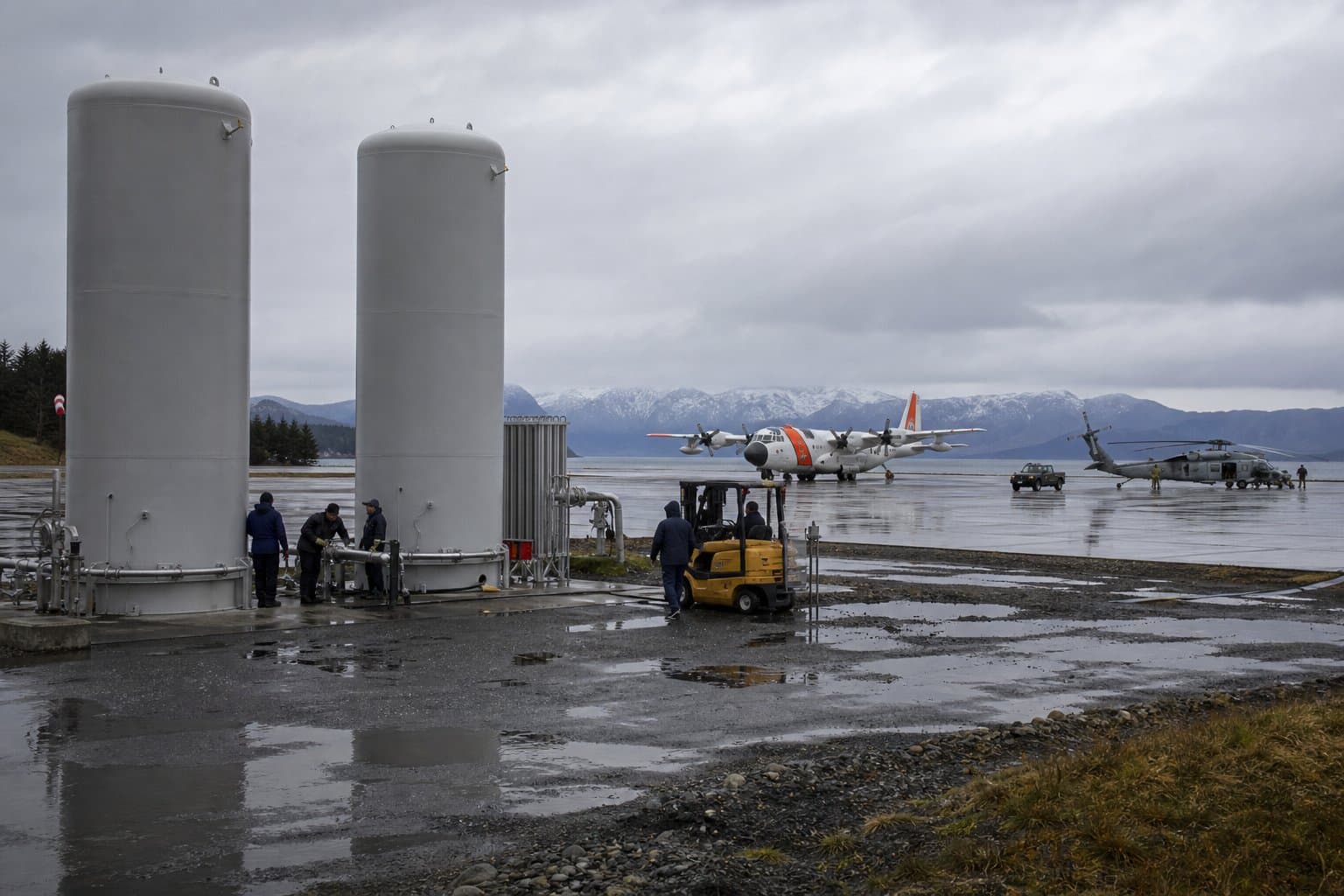
Photo: James Brooks via Wikimedia Commons · Photo source · CC BY 2.0
Alaska Aerospace seeks study to site a liquid oxygen plant at Kodiak spaceport
Alaska Aerospace Corporation on Oct. 30 sought proposals for an engineering study to pick a site for an on-site plant that would make liquid oxygen and nitrogen for all launches at Pacific Spaceport Complex-Alaska on Kodiak Island. Proposals are due by 5 pm Nov. 11.
The plant, called an air separation unit, would extract oxygen and nitrogen from the air. A 2016 FAA environmental review approved a liquid fueling facility of about 200 by 350 feet near Area 3 to make and temporarily store both. The request for proposals says Area 3 has since seen significant development. The corporation is separately adding a liquid oxygen storage vessel on an existing concrete pad next to its rocket motor storage facility, the request says.
The spaceport is ramping up for military launches, Alaska News reported July 31.
The winning firm would score possible sites on terrain and soil conditions, permitting, required clear zones, utility connections, and whether delivery lines or mobile hauling would move the supercold liquids more efficiently. It would then recommend a primary and a secondary site, with costs and risks for each. An initial report is due within four months of the award and the work is set to take six months.
The request says the corporation is "under a tight timeline with the FAA" and may close bidding early with at least two days' notice to registered firms. Bidders must show a history of comparable studies and do at least 60% of the work themselves. Questions are due Nov. 6.
Alaska Aerospace estimates it will announce its pick by Nov. 30 and issue the contract Dec. 5.
Source: Alaska Department of Military and Veterans' Affairs, Alaska Aerospace Corporation: AAC LOx Generation and Distribution Siting Analysis.
Made by our human newsroom with AI. How humans and AI work here · Grow with our newsroom
Get Alaska News in your inbox
Create your free account and get the day’s top stories around 6 each morning, in a few minutes’ read.
The day's top stories around 6 each morning. Unsubscribe in one click.









Comments
Sign in to leave a comment.
No comments yet. Be the first to share your thoughts.