AI image
A gravel permit, and how North Slope oil is built on gravel
ConocoPhillips wants to lay about 10,300 cubic yards of gravel at one of its pads in the Kuparuk oil field, expanding it onto seven-tenths of an acre of North Slope tundra. On its own, it's a routine request — the state is taking comments through July 26 — but it's also a small window into how oil actually gets produced up here.
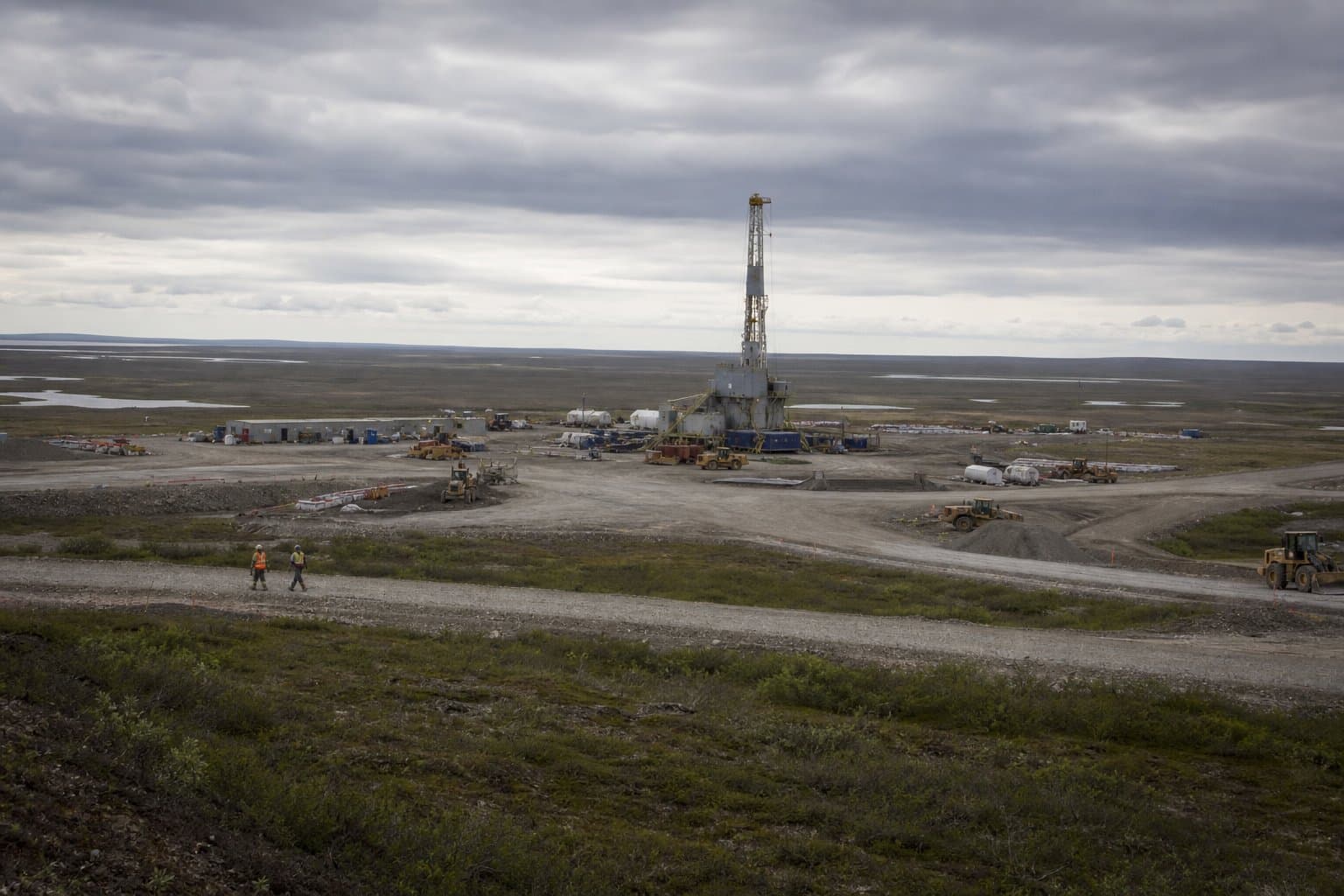
Almost nothing on the North Slope sits directly on the ground. The tundra is frozen, spongy, and easily damaged, so every road, rig, and processing facility is built on a thick pad of imported gravel that insulates the permafrost and holds the weight. Expanding operations, in practice, usually means expanding gravel — which is why a maintenance filing like this one is really a small step in the field's physical footprint.
And Kuparuk is no minor field. Discovered decades ago and among the largest ever found in North America, it still pumped roughly 63,000 barrels of oil equivalent a day in 2024 — a giant kept producing, in part, through exactly these kinds of incremental additions, one pad at a time.
Source: DNR receives ConocoPhillips Kuparuk River Unit 12-acre pad expansion amendment.
AI-assisted. How we use AI
Stay informed. Support what matters.
Free, permanent access to local news you can verify. Subscribe to support Maggie AlaskaNews and go ad-free.
Related Coverage
On the North Slope, the oil field grows a few thousand cubic yards at a time
Alaska News · 2mo ago
A Hilcorp gravel-mine permit reflects the North Slope's expanding oil footprint
Alaska News · 1mo ago
Hilcorp says the North Slope is running short of gravel and wants a new mine
Alaska News · 1mo ago
ConocoPhillips is finding new oil in the Kuparuk field, in rock decades of drilling missed
Alaska News · 4mo ago
A gravel permit for the pipeline, and a question about what Alyeska pays
Alaska News · 2mo ago
Comments
Sign in to leave a comment.
No comments yet. Be the first to share your thoughts.