Alaska Dept. of Health: Alaska RHTP Year 2 Fall Funding Cycle Application Support Webinar (October 2, 2026)
Alaska News • • 59 min
Source
Alaska Dept. of Health: Alaska RHTP Year 2 Fall Funding Cycle Application Support Webinar (October 2, 2026)
video • Alaska News
Articles from this transcript
All right, good afternoon everyone and welcome to the Department of Health RHDP application support webinar. I'm just gonna let everyone get into the webinar and we'll start in about 30 seconds.
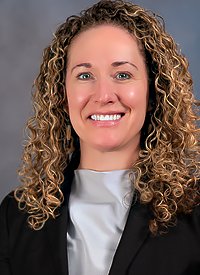
Alright, welcome and good afternoon everyone. My name is Heidi Hedberg. I am the Commissioner for the Department of Health and we have a slide deck for you that is a recap of the RHDP Year 1 Lessons Learned and Year 2 Looking Forward. We had an all-day event last week. This is an hour-long recap of that event.
We're gonna go through the slides. If you have questions during the presentation, I would encourage you to put those questions into the chat, and then at the end, the team will ask me questions and we'll go into Q&A. So with that, Allison, advance to the next slide.
Great, thank you. Next slide.
Perfect. I always like grounding us in what is the purpose of the Rural Health Transformation. There are 3 goals. There are 6 initiatives. The first goal is about the people, the clients, the customer owners that we serve, and that is around Healthy Beginnings, Health Access, and Healthy Communities.
Our second goal is around reform of payment. It's really creating models to pay for the outcomes that we wanna see in the healthcare system. And it has its own standalone initiative. And the third goal is around the tools. It's the workforce, it's strengthening our workforce and the technology that support caring for, uh, the folks that show up in our clinic, in our hospital, in our office.
All three of them is really the foundation of this transformation work that we are collectively doing together over the next 4 years. Next slide.
So it's hard to believe it has been a year. Uh, this was a fun slide to create and really just a snapshot. September 15th, just a couple of weeks ago, which was a year ago, CMS, the Centers for Medicare and Medicaid Services, dropped the funding announcement. The state had 6 weeks to write that application. We reached out to you because we wanted to make sure that Alaskans saw themselves in the application, right?
Because healthcare happens in community. So this was a co-writing opportunity, 6 weeks to write the application. Funding announcement dropped December 29th. February, we came together for our first statewide convening, and then we opened up our letter of interest portal in February. We were all surprised with almost 1,800 ideas that were proposed.
Again, that represented about $2.5 billion in asks. We then opened up the application portal, which was about applications, and then we started issuing awards in August. You'll notice though, during session there's a lot of legislation that passed. In addition, if you look at the bottom of the slide, we have been going out to communities having RHB regional sessions. We've completed 10 so far.
We come in full force. The Department of Health learns a lot about the needs in the community, and I think we, we By bringing everyone together with this common vision and goal around RHDP, I think there's a lot of connections that are made. We have 3 more RHDP regional gatherings in Utqiagvik, Kodiak, and Juneau. You'll also notice at the bottom of the slide that we are going to be— we did open our fall cycle, and I'll get to that in a second, and we will have a spring cycle that will start in early 2027. Next slide.
So while it's good to reflect on the intensive, fast-paced year, uh, this is my new favorite slide. It's really for all of us to just take a step back, look at the 5 years. What we saw in year 1 was it was a stabilizer. We saw a lot of needs to stabilize. I need funding to turn on the lights.
So that I can move into this transformation effort and build that sustainability over the years. It's an arc. So year 1 into 2 is about stabilization. Years 2, you're gonna start to see the Department of Health lean in to transform. That's gonna be a big arc over 3, 4.
We are always going to keep an eye towards sustaining and locking that in at the end of year 5. Next slide.
So now to the point where I think everyone is really interested. Department of Health, what did you learn through this experience over the past year? And this feedback is really about the process of the grant application. There was a lot that we learned through the different topic areas. Health sector is very large, but this is really about the process itself.
And so what we heard from applicants was that the application process was too long between the letters of interest to the application. That was 24 weeks. We have shrunk that down and we've removed the LOI process. So it is just going to be applications moving into year 2. The second area of feedback was that applicants needed more time helping turn those big ideas into actionable proposals.
You know, we cast this really broad net. We got a lot of ideas. And so what I remind everyone is look at our application. It's on our website. Look at our milestone.
Look at what we have proposed over the years. We are updating it and that will be on our website soon. But we've also identified that we need to focus and prioritize 3 areas for the fall cycle, and we'll talk about that, um, later on.
The next area is around clarification, that clarification between, you know, that application process. Again, it was taking too long. For year 2, what you're gonna see is you create your organizational information once, and then you can submit your proposed ideas. Again, it's that efficiency and streamlining that we're achieving. And the, the final area of feedback on the process was that small organizations really don't see themselves.
It's really overwhelming to think about the application, to think about the ideas and how they connect in. We have created some tools that we will be launching in the year 2 application, in addition to some additional tools that will be coming out in the coming months so that everyone has an equal opportunity to this funding. Next slide.
So as a recap for year 2, the things that you need to be tracking is one application. There is no LOI. It is a SMART application form. So if you're not applying for equipment, you're not applying for staffing, we're not gonna ask you those questions. If you are, we are gonna ask a lot more clarifying questions so that we can hone in and truly understand what you are requesting.
In addition, we are asking that organizations submit up to 5 applications, and really what we're asking you to do is to prioritize and to be more focused in your applications. The third, as I had mentioned before, uh, we have new tools that we are launching to support you in your budget development. And to understand the requirements. And then year 2, we are breaking off into a fall cycle, a spring cycle, and you're gonna see that same process in years 3, 4, and 5. Next slide.
So, as I mentioned, we are updating our application resource guide for you that will be coming out. We have a video tutorial on the budget development basics. We are asking you to watch that video before you complete your budget section to assure that you understand how to complete it correctly to avoid some of the common mistakes we saw in year 1. The third is around workforce. We wanna make sure that if you are applying for workforce funding, you understand clearly what that 5-year service agreement commitment is.
So there's a video tutorial for that. In addition, yesterday we had a walkthrough of how to use the portal. It was recorded. We're gonna be posting that on our website. So if you are new, you can watch that video and, uh, the Alaska Community Foundation walks you through how to use their grant management tool.
In addition, we have updated the evaluation framework, and this is really important for you to pay attention to so that you understand how your application is evaluated. That is open for public comment right now, and I encourage all of you to review that information. Next slide.
So, year 2 funding priorities. As I mentioned, cast a broad net. The feedback was, what's the priority of the department? Pay attention to our milestones and what we put into our application. But what we saw we saw in addition based off of the LOI application is sort of 3 areas that we need to focus on.
One is clinics and hospitals getting ready for goal 2 around pay for value. So it's building the data, the care coordination, that administrative support to move towards different payment models. The second is around care coordination ready. It's connecting provider-patient panels so that patients leaving the hospital can can be identified and supported around that care coordination, and that's going to expand around court coordination. The third is around emergency medical services, EMS, strengthening the pre-hospital care.
So those are three focus areas. If you are thinking my idea is not related to those three, it's okay. We still have the opportunity, you still have the opportunity to submit a proposal for the open call. In addition, for year 2, for the spring cycle, we are gonna reevaluate what we need to do on focus areas. So stay tuned.
And if you have a year 1 award and you are looking for year 2 funding, spring cycle is when you need to reapply. So again, spring cycle is when you need to reapply for funding to carry on your year 1 activities. As well, if you are looking for facility or renovations, that is for the spring cycle. It is not going to be available in the fall cycle. And then at the bottom of the slide, I just wanna draw your attention.
There's 3 pathways. Planning, implementation. The third was not open in year one. We're opening it in year two, and that's state-directed targeted innovations. Next slide.
So as I mentioned earlier, the evaluation process is being updated. We want to make sure that everyone fully understands how the Department of Health evaluates application. There's two stages. The first is we have three subject matter experts that are employees of the Department of Health. They review that subset of applications, so 3 employees review each application.
They review the application based off of the published evaluation criteria. If those applications score a certain percentage that's in the evaluation criteria, it moves to the portfolio analysis. This is really important for everyone to understand. There's two stages: application independent evaluation. If it scores a certain threshold, it moves towards that portfolio analysis.
The Department of Health, we need to balance all of those applications against an equal distribution across the state. By the provider types, by the initiatives aligning to the— what is in our federal application around our milestones. So there's— and the population served. So that portfolio analysis is really critical. As a reminder, year 1, $500 million in applications.
The award was only $272. There was many great applications, that passed the individual review, but because of that portfolio analysis, it did not make it to the next stage, which is full award.
We want to make sure everyone is aware of that portfolio analysis, so please be on the— please be looking for that information. And just another callout is the CMS review. CMS reviews the budget and the application, and it's looking for alignment and allowable costs. Next slide.
So this is another summary. As you see, our evaluation, uh, for the application, the portfolio, we posted that September 25th. It closes— public comments are due by October 9th. We are going to post that by October 14th. So I would suggest wait to submit your application.
You can get into the portal, you can work on it, but wait for that final evaluation criteria so you can ensure that you are aligning your responses to the evaluation criteria. In addition, as a reminder, the Year 2 portal opened on September 30th and it closes on September 30th, it closes on October 28th. Next slide.
So broadly reflecting on the applications, broadly, here are 10 areas that we saw consistently, and we share this with all of you so that you can improve your application. One was when we were reviewing applications, it was unclear what the proposal was. And so what we are asking you to do is to have someone, a layperson, review the application. Does it make sense to them? Yes, the Department of Health has subject matter experts.
What we noticed is there's a lot of people using AI. It was word salad. You really didn't understand what the intent behind the application was. Be clear. Use simple language.
Next slide.
There was a handful of applications, and this really is up to you and your discretion as you are applying. That was really the everything. These are all of the things that we need, but they're really— they were not related together, and it was really hard to understand What was the clear goal of the proposal? At some point there was some mission creep that happened. So you are welcome to have many ideas that are submitted, but ensure that the reviewers clearly understand what is your project goal.
Ensure that your budget clearly aligns to the proposal. We can clearly associate each request to the activities, and that in the budget, each cost line item is very clearly described. Again, I highly recommend that you watch that video, um, so you know how to complete a successful budget application. Next slide.
Then the third one is, was just around general alignment. Some of the applications, there was not a clear, direct alignment to the RSGP3 goals and the associated initiatives. There was an indirect association. And so what we're asking you is, does your proposed activities clearly lead to health outcomes? Describe that in your application.
Can that layperson who's helping you review your application, can they make a direct connection between your proposal and the initiatives? Evaluate, uh, are the services already in existence, and will your proposal drive towards measured transformation or system change in your community or region? Next slide.
Again, a little different but similar. It was the project was unclear. It wasn't really supported. There was no evidence connecting what the improvement was going to be, and, and there was a lack of clarity if it was a community priority. So what we are asking you to do is to clearly articulate, through documentation, through data, through community input, how this clearly is an identified need, how it clearly identifies to the community, and again, aligning with the nature and scale of whatever you're trying to request funding for.
Next slide.
Another area that we saw was duplication. And we see this oftentimes where I have this idea, I know it is going to solve healthcare or address my issue in my community, in my region, across the state. I just need funding, but it is duplicative of what is already happening in that area. So what we are asking you to do is that you need— I think you need to go to the next slide.
Allison, is it duplication? Yeah, there we go. Stop. Um, is— you need to evaluate and articulate in your application, are you expanding capacity? Is this new in your community?
You need to document, did you coordinate with other communities? And we'll get to this in partnerships, but we really are looking at this coordination integration. We do not wanna fund siloed projects. Healthcare is a group sport. And have you identified any overlapping or duplication?
Next slide.
So partnerships, as I mentioned, we did our best with a partnership matrix. It was to varying degrees of success. You know, some partners were just dismissed. They were overlooked. We knew that they existed, but they were not in the application.
You need to document if there are formal or informal commitments and if they are established or not established. If you—. I will share this—. If you are a vendor and you are looking to work with Alaska, you need to have your partners in Alaska that is supporting whatever you are looking to do. That needs to be clearly documented.
So 3 questions that we're asking: who will be affected by this work? Who should be aware of? Do they know? Are they submitting letters of support? Is your partnership established or aspirational?
I aspire to do XYZ. Or have you clearly established it? And then very clearly defining what is or is not that partnership. Next slide.
Transformation potential. There was a lot of requests. It was very unclear, and we've talked a lot about this last week in our meeting. Like, what is transformation? We recognize that there are requests that are one-time costs that will position you for transformation.
Be very clear with what that is. Connect— clearly connect what your proposal is to the activities, that duration. What is that system-level change? How are you going to transform what you are doing, and what is the impacts in year 1 and beyond your organization? And then leaning to how are you gonna sustain it?
If you do this, that frees up your workflow. And your overhead costs so you will be able to sustain whatever you need the upfront funding for. Next slide.
So sustainability, I think that ties as well into transformation. We really are looking how are you going to sustain that? So questions that we're asking is what is specific, reliable, reoccurring? Funding sources, be very clear in your application. If it's Medicaid, you should talk with this.
If it's third-party billing, we wanna know that. Have you confirmed these things? And do you have buy-in from the partners who are critical to sustain, to sustain whatever you are trying to accomplish? Next slide.
The other area which was very surprising to us was costs that were not allowable. We have been very, very clear, and I will remind all of you, you cannot use funding for construction. Again, you cannot use funding for construction. What we saw in a lot of applications was for construction. That is not an allowable expenditure.
So make sure that you are looking at FAQs that we've produced, watch that budget video, look at our website. We clearly articulate what is not CMS allowable. If you have a question, send it to the RHDP inbox and we will try to answer that question. But make sure that you do not apply for something that is not allowable. And make sure that your costs are itemized.
If you're asking for supplies, be clear what those supplies are. Next slide.
This was another area that was overlooked, which is the budget materials, the math, did not align between what was submitted in the application to the Excel document. The budget materials did not align to the proposals. Sometimes it was because the wrong draft got uploaded. Sometimes, you know, 3 people are working on the grant application and there was not coordination between the 3 or 4 people. We're assuming.
So please make sure that your budget materials clearly all sync together.
Next slide.
So those were sort of the 10 common areas that we have consolidated from our review of those applications. If you were one of those organizations where your application did not advance, I would just ask you to reflect on those 10 areas and say, you know what, maybe this was one of those areas or a couple of those areas where we could do better for year 2. So what is next? We wanna make sure that you have all of the information to successfully apply for funding. So October 28th at 11:59 AM.
Is the deadline. You cannot submit an application at 12:01. The portal will close down at 11:59 on October 28th. Uh, we will— it's 4 weeks for you to submit an application. It is 4 weeks for us to review the applications, and then we have a couple of weeks to go through clarification with CMS, and so we may be reaching out to you to ask those clarifying questions.
January is the earliest possible date to start that fall cycle award. And then right on the heels of the fall cycle ending and those awards being issued, we will be working towards launching our spring cycle. The goal is, is that applicants will have a full 12 months to work on their proposal. As a reminder, if you live in Utqiagvik, Kodiak, Juneau, we really want you to participate in your regional meeting. So please reach out to [email protected] if you have not received an invitation.
All right, I do believe we are now getting to the Q&A. So Allison, if you wouldn't mind, stop sharing and let's have a conversation.
No audio detected at 28:10
All right. Well, Commissioner, we've had a number of really great questions that have come in through the Q&A and through the chat. And so those of you that are listening, I would ask, you know, put your questions in the chat, put them in the Q&A, and our team can ask them of Commissioner. But we'll start with one, which is how many applications can an organization submit in the fall cycle? And what What would you encourage organizations to keep in mind as they decide which projects to put forward?
No audio detected at 28:30
That is such a great question. So we are asking for self-restraint.
We are asking for you to truly— so the technical answer is up to 5. Do not read that as submit 5. What we're asking for you to look at your community your region. What are the gaps in the healthcare system? What is the change that needs to happen?
Work across partners on your proposal. Again, we're gonna move into the cycle twice a year for you to apply for funding. So if you have an idea, we haven't worked it out yet. You don't have those quotes for whatever you're trying to do, maybe that's something that you should wait until the spring cycle. I would also say that the fall cycle is going to be a much smaller pot of the total award.
No audio detected at 29:40
So the spring cycle will be much larger, and that will continue through the next cycle. Several years. Betsy, Eliza, would you add anything to that?
No, I, well, I, I was gonna say no and then start talking. So yeah, I think I would add one thing, which is, um, I, I do really think that, um, we're hoping it will be helpful for folks that as they think about this kind of twice a year cycle and think about an application process opening up every 6 months, that they'll really be able, you know, you'll be be able to time your projects for when it aligns with your organizational capacity. And so hopefully that's helpful to folks as they start to think about the timing for this cycle and knowing that there's another one that's coming up. You know, Betsy, I might just add that, you know, what we heard in year 1 from a lot of organizations, and I'm thinking of everyone up north, right, the Aleutians, and the common feedback was, I don't have enough time to do X, Y, or Z because the thing it needs to get on the barge needs to do X, Y, and Z. We have 2 cycles.
No audio detected at 30:10
No audio detected at 30:20
No audio detected at 30:30
This is a great example. If you fall into that category, be thinking about submitting your proposal in the spring so you have time to develop whatever your proposal is.
Thank you. That's helpful. So next, we see a number of questions around the focus areas and how projects in the focus areas will be evaluated. Do they get extra points over the open call applications? So can you clarify how the department's thinking about the focus areas versus projects that are coming in that aren't necessarily in the focus areas throughout this funding cycle?
No audio detected at 31:20
There's no extra brownie points. Sorry. It is— we are looking at carving out a, a small portion of the budget for that area. If it exceeds, then we'll revisit it. If it's not enough, that money would then go towards that open call.
Again, these focus areas is really gearing organizations into this transformation. What we heard was, you cast the net wide. What is something that you're focusing on? This is our response to that feedback. Around these 3 areas.
It's not gonna be the only 3 areas. It may change in the spring cycle, but if we are gonna start shifting our payment models, we need to get ready. In the RHCP regional meetings, care coordination came up across all 10 meetings. We see that there's a lot of gaps in that area, so we are leaning into that. And across the board from the EMS councils, the EMS medical directors, EMS agencies, there are resources to stabilize, to then get them to a position where they can operate in a different environment.
We hear you. We are leaning into that. That's how these 3 areas were selected for the fall cycle. Thank you. And then kind of on that fall cycle topic, you know, I think that folks who've been reading the materials we've put out, which I, which I hope is everybody on this call with us today, are noticing that we have a smaller target amount for the award in this fall cycle.
No audio detected at 33:00
So, can you talk a little bit about, you know, how our award comes in once a year and how that plays out when we think about a 2-cycle process and how we may award some now and some in the future cycle and just help people kind of understand what are our target kind of funding amounts that we're working towards under this cycle? That's a great question. So, everyone needs to remember that our federal award for year 2 will come in at the end of October. We do not know what that award amount will be. It will adjust every year depending on if we are meeting our milestones and the objectives that we put into our work plan.
No audio detected at 33:20
No audio detected at 33:30
No audio detected at 33:40
That is why we keep referencing that, posting it on our website so you can track with us as we are working together in transforming the healthcare system so that Alaskans have better access to care that rural would not be a hindrance to access to care. Again, this is about transforming the healthcare system. I would also say that we want to ensure that there is equal opportunity for those facility renovations, and we just got year 1 awards out the door. Awardees need time to work through that. And so we are asking that in the spring cycle, if you still need year 2 continuation, you're showing good ROI, you are on track, that spring cycle is when you would apply.
No audio detected at 34:10
No audio detected at 34:20
So when you look at our budget, um, or our award amount, that's why we're carving out a much smaller piece in the fall for those new ideas, areas that align to those focus. And the larger award to care for the facility renovations, the continuing applications, and a smaller portion for those new ideas in the spring. Anything to add? No, I think, I think that's helpful. You know, I think another question that we're starting to see kind of come in around some of the focus areas, you know, as folks are looking through the application and seeing that if they are proposing a project within one of the focus areas, there are some additional questions maybe about, have you done a baseline assessment, or do you— are you looking to do a landscape assessment?
No audio detected at 35:00
No audio detected at 35:10
No audio detected at 35:20
No audio detected at 35:30
Is there a right or a wrong answer, or are we kind of more looking for just more details about the how a project is situated now, where they're starting, and where they need to go? So with a SMART application, we want to gather more specific information so that we can really understand what your proposal is doing. We also wanna make sure that your proposal is a direct link to outcomes so that you are going to say, you know, I'm gonna do this, I'm gonna have better health outcomes. Here is the data. The community has identified this through a community health improvement plan, through an RHCP regional meeting.
No audio detected at 35:50
Like, there is an identified need. And I'm working together. So that's why we're asking what that baseline— it's also going to help us in measuring the progress over the 5 years. The Centers for Medicaid and Medicare and Medicaid Services, CMS, this funding is to transform. It is not to pay for status quo.
We really have to transform. So what is your proposal? How is it transforming? What is your baseline? Where are you going?
I would also remind you again, there's going to be 3 pathways. The planning— I have an idea, but I haven't worked it out. I need a small set of funds to bring everyone together, ensure that it really is a good concept that can be implemented. We would expect those plannings to then move towards that second area, which is around that implementation. Everyone's locked in.
We agree to the base. We know where we want to go. We're gonna implement. The third pathway is state-directed. We recognize as a department there are statewide initiatives that we need to engage in.
Thank you. So as we think about, you know, adjustments that we've made for this funding cycle, I think trying to make questions more reflective of the type of project that an organization is proposing is one. But, you know, our team has learned a lot, and I think our partners have learned a lot, our subrecipients and applicants have learned a lot. Can you, and you may wanna throw this question out to some of the lifelines I know you have online, but can you talk a little bit about some of the additional resources, or where can people go if they wanna understand more about maybe some of the workforce development requirements, or they wanna understand more about what is the difference between renovation versus a major structural upgrade? Like, there's a lot of nuance in these things, and if you could talk a little bit about what's out there for folks to kind of improve, um, and understand more about the requirements, I think that would be helpful.
No audio detected at 37:40
No audio detected at 37:50
No audio detected at 38:00
No audio detected at 38:10
Yeah, so there's gonna be 2 video tutorials. One is gonna be around workforce. We're gonna have a hyperlink in the application. So if you click on strengthening workforce, you're gonna see a hyperlink to watching the video. So, you know what the, um, limitations are or are not around workforce.
No audio detected at 38:30
In addition, we have Guidehouse, who has done a video tutorial on how to complete a budget so you understand, is it a supply? Is it equipment? How much detail do I need to go into travel? What is the detailed or the limits of a salary for personnel services? Can I pay for existing clinical services?
No audio detected at 38:50
No audio detected at 39:00
No, you cannot. Like, those details are going to be in that video tutorial in addition to the FAQs. Again, we're putting— there are hyperlinks in the application, and it will also be— I'm pretty sure it's on our website right now, or it will be. Yes, it's on our website right now. Yes, they're already available.
The—. They're on the applicant link, which was posted in the chat. If you look sort of under the Year 2 guidance, All of these resources are already posted and available for your review. Perfect. Thanks, Eliza.
Thanks so much. So I think another question is—. Let me just see what I've got here. Can you talk about how people should be— I think I heard you talk earlier about asking applicants to really kind of think about using the application to clearly and concisely convey, here's what I wanna do, and to be realistic about the time period. So there, one question that I see come in is, you know, are there going to be funding extensions?
No audio detected at 39:50
No audio detected at 40:00
You know, I think that the timeline for the first year to get awards up and going and applications moving, this is a nationwide thing that we have heard. A lot of people are saying, okay, it took time to build up the process and get going. Is there going to be an extension? Can I work beyond this project period? I think that one's a short answer.
No audio detected at 40:20
Can I get longer to spend my money? I'm so sorry. You know what? I hear you. We were just at a national conference and the question came up and CMS is very clear.
No, there is no extensions for year 1. We communicated in year 1 that it was a shorter budget cycle, so it was 10 months. And that's just the nature of when things launched. And this actually is directly linked to congressional law and the way it was written. And how it was formed.
So no, there are no extensions for year 1. It was a rapid pace, which is why we started with a reflection on the timeline, because we've been in it together with all of you. And now you have— some of you have resources to do this work. Year 2, you have 12 months, right? So year 2, that's why we broke it out into a fall cycle, a spring cycle, so that you have a full 12 months and more breathing room to do the work that you're proposing to do.
Which I think kind of comes into the next cycle. That is, people are proposing, preparing their applications to submit in this cycle, and they're putting together their budgets, and they're thinking ahead, right? We know transformation often takes more than a year to accomplish. And so you've got a great project plan. Should people be putting their budgets together based off of what they expect to need in future years, or should they be thinking about just for this first year performance period?
No audio detected at 41:40
How should that Just for this budget period. Thank you. Yes. So think about the performance period and there's materials, the Applicant Resource Guide. Again, I'm going to plug that.
I think there's some great information in there that should help you understand. There's a lot of information on our website. There's also email addresses where if you have a program question about how does this work, I don't understand what the rules are here, or what do you know about this, you can send those email questions to [email protected]. That is where you can kind of get some of those questions answered. There's also an email address where you can send an email directly to our partners at the Alaska Community Foundation if you have questions around how the application works or what you're supposed to upload or how the template, like how that's working.
And I'm hoping someone on my team can put both email addresses in the chat so you don't have to listen to me say them and frantically write them down. But one question that I see coming in that I think would be helpful for you to talk about, Commissioner, is around partnerships. You know, one of the things we ask for in the application is if we can, if, you know, the applicant can upload memorandums of understanding or letters of support or things like that. Is a formal partnership required? You know, looking at the criteria, do you have to have a formal partnership?
What does it mean to kind of be assessed based off of partnership and, and community support? Yeah, that's a great question, and I would remind all of you, go to the evaluation criteria. You'll see from 1 to 5, there's a scale. You will score higher if you have those formal partnerships that is demonstrating, here is the new idea, this is where we want to go, this is my role. This is their role.
This is how we're working together. Again, healthcare does not happen in a silo. We are looking at an integrated, efficient healthcare system so that Alaskans, wherever they enter, wherever they exit, right, their health information is following them. It is fully integrated. Thank you.
Can you also talk a little bit more about the planning pathway versus the implementation pathway and kind of why there are two pathways and what folks might be thinking about, you know, if they have an idea or if they have a fully formed project and where they may want to go with that? Yeah, that's great. So when we were developing with many of you on that are attending this webinar, what really came out was there is a lot of ideas out there to address systemic healthcare system issues, but there needs to be planning that goes into this concept to vet it out. That is that planning pathway. It is up to $250,000.
That is the planning pathway. It is, I have an idea, it needs to be further developed and vetted. That is the, that is the Purpose of the planning pathway. Implementation pathways, I have a fully formed idea, my partners are on board, it is very clear with my baseline, what my outcomes, desired outcomes are going to be, how I'm going to measure this, this is the impact, it's streamlining of fill in the blank, that is an implementation pathway.
Thank you, that's helpful. Another good question that came in, thinking about planning and thinking about kind of that coordination and how things come together, is that for folks who, who live in one of those communities where we have an upcoming regional planning meeting, what should they expect and what will that look like and how does that kind of help build into application development? Yeah, so the RHP regional planning sessions is for Schools, EMS, public health clinic, hospital, social service organizations. It really is if you are caring for your population, if you have a nexus, a touchpoint to healthcare, tribal, non-tribal, it is convening everyone coming together. So this is your invitation if you live in that community to come.
Honestly, the way we start is we start with just a landscape of data. And it may be, uh, at a community level, it may be a regional level, but it's that landscape in a conversation. What is missing from the data? What is the data not sharing? What does it represent?
Do we agree or not agree? And so we go through a facilitated conversation about the health outcomes, the workforce data, just as a landscape. And from there, they are facilitated exercises that goes through 3 of our goals and our 6 initiatives. I will tell you that we assign seats, we move everyone around, that we are connecting people together from our smallest communities to our largest communities. I will tell you, I've been to 9 of the 10.
They're in every single one. There are aha moments, there are connections made. There's a shared understanding of the same challenges and the synergy that comes together with like, you know what, if we come together, we're really small, we can make a positive impact in this area. And then at the end, we've kind of wrapped up with some development of some proposals. We do record them so that we can work on a report.
We give it back to participants. So that they have a snapshot of the conversations that happened during that day, and it's attached to the slide deck that has the content and the information from that day-long workshop. Um, we are a small but mighty team. Um, we are still working on finalizing those reports and getting it out to the 10 that we've completed so far, but we are ramping up so we can get those out, um, in the near future. Anything to add?
I mean, team, you guys have been there, part of these regional meetings. Thoughts?
I think the thing that I'll add in, it's not just regional meetings, but so many communities have convened meetings, you know, on their own to say, we understand there's this opportunity, how do we want to approach it? And I think it really aligned with one of your areas for improvement is ensuring alignment of efforts and that there's not duplication. Location of services, and that if there sort of isn't, you know, is an action already going on or an idea going on, that you can make sure that there's coordination either formally as part of, you know, the activities of the implementation award, or in the form of, you know, letters of support, or even just in the form of kind of as you described, having someone else read that application that you're considering and help strengthen your idea. And so whether it's as part of a regional convening or just you connecting with someone who's, you know, part of your network of service, You know, I think those opportunities are really important as part of this program.
Yeah. I think that's a really good point, Eliza, and I think it kind of dovetails onto some of the questions that we're seeing coming in around, you know, partnerships and opportunities to connect and, you know, vendors that have great ideas for solutions and thinking about what does that look like to kind of bring bring new ideas into Alaska and into the state. And Commissioner, I wonder if there's anything that you would share around thinking about the importance of kind of demonstrating, demonstrating local partnerships or demonstrating kind of a local grounding in the application process. Yeah, I mean, I know that there has been many, many vendors that have reached out that have tools and widgets that are going to solve X, Y, and Z, and I think those are probably— many of them are great widgets and tools, but healthcare happens in community. And that's where we really are redirecting the vendors to say, you need to reach out to whomever you are working with, whether it's social services, whether it is hospitals or clinics or behavioral health or primary care.
No audio detected at 49:30
No audio detected at 49:40
No audio detected at 49:50
No audio detected at 50:10
No audio detected at 50:20
And you need to make those connections and see if there's a need. What problem are you solving? How is it going to create that efficiency? And that the local, whomever they are, is saying, you know what, this is actually gonna meet my need and we want funding to implement it, to pilot, because it's gonna drive towards better health outcomes. This links into sustainability.
So again, whoever is applying for these funds means to sustain that work. And so that's why we really are redirecting the vendors towards partnering with local organizations so that they can address how it is going to be sustained.
Thank you. And I think that that kind of grounding is also helpful when we think about, you know, larger alignment with the initiatives, but also how do you kind of balance between a longer-term vision for their project? I think we have, we know that there are some incredible ideas across the state and people are thinking big. We've asked them to think big. They're really thinking big.
No audio detected at 51:30
So how does somebody balance saying, I am thinking big, I am thinking exciting, with also being realistic about what can be accomplished in that next project period, recognizing that we, we really only can award one year at a time. So how do people kind of balance that and what are you, what are you looking for in an application? You know, I think it's, it's practical. We did see in year 1 that there was a large, just, I'm gonna solve this elephant in front of me, but year 1 was 10 months. And so really we're looking at that ratio of, um, can it actually be completed in 10 months?
No audio detected at 51:50
No audio detected at 52:00
No audio detected at 52:10
There's a little bit of healthcare shock and so much transformation happening at the same time. So the analogy I use is maybe that elephant is there, but we are going to focus, right, on system change, which is one step in front of another, is taking a small bite of that elephant so that we can make progress in whatever that proposal is. So I would really encourage you to really be thinking very thoughtfully, year 2, what can I accomplish in 12 months? How am I going to sustain that? How do I build upon whatever you are trying to accomplish?
And, and here's the third area. Um, there was many great applications. We agree with all of these applications. The award is small, and I say this often and I repeat it, the needs exceed the available resources. And so how do we collectively work together which is where we have this portfolio analysis, that second phase of evaluation, because we need to take these small amount of resources and balance it portfolio across, again, all of the, you know, the initiatives, the geography, the population served, our milestones.
No audio detected at 53:10
No audio detected at 53:30
And when you do that, there's just not enough resources. So, you know, it, it really is a balance. I defer to all of you. You are smart. Right?
Be thinking, what is that right balance that we can really make a difference within the next 12 months? Thank you. And so I think that also brings up a question that a lot of folks have been asking, which is, if I applied in the first round and my application either didn't move through the letter of interest cycle or it didn't move through the full application cycle, can I apply again? And, you know, am I going to be getting individual-specific feedback on that proposal going into this cycle? Can you speak to either of those?
No audio detected at 54:00
No audio detected at 54:10
Yeah, two really good questions, very common questions. Yes, you need to reapply. A, it's a new cycle. We changed the application, so you need to reapply. The second is, um, you see the team, it's a small team of five.
Um, we would love to give individual feedback, but we do not have the capacity. And so in order to meet that ask that we consistently hear from applicants, that is why last week we had an all-day event where we really deep dived into those common areas. We had breakout sessions so we could really dive deep in how to create a budget. What is alignment to RHTP? How do you sustain the project that you are trying to initiate?
No audio detected at 55:00
So We spent an all day doing that. And then this is the recap of that all day event. And I just shared with you the 10 most common things that we saw. We have given you that information. We're asking you to evaluate those common areas against your application.
If you were like, you know what, I was perfect, I did everything and it was good, it may have just been that portfolio analysis. Thanks, Commissioner. And then, you know, thinking about the limited availability of resources, you know, thinking about the vast need that we see across the state, recognizing that we're standing up, you know, um, the site— this cycle has, um, you know, a more limited amount that we are targeting for funding. Are you capping the award size for the fall cycle? Is there a limit?
No audio detected at 55:40
Nope, we are not capping.
Thank you. Oh, now I've got to come— there are great questions that are in here. I got to scroll through them. You got 3 minutes left. I know we have just 3 minutes.
We're heading, we're heading up there. You know, I think, um, something else that I know you've, you've highlighted this, um, already. You started with this at the beginning of the conversation, and we see some of this coming in, and I think it does really help with, you know, as people think about maybe why didn't my application come through the first cycle. Can you talk a little bit about, um, about alignment again with the core purpose of the Rural Health Transformation Program. It's a big program, it's a broad program.
No audio detected at 56:20
No audio detected at 56:30
The goals stretch across a wide range of really desirable outcomes, and that can create a lot of space for ideas that are creative and different. But how do people, how should they really be thinking about coming back to to kind of the core of what the program is meant to be? Yeah, I would honestly, um, take a look at our application. It was well written. Um, we clearly outline what is the intent of each goal, and then we outline, you know, the first goal is about the people.
No audio detected at 56:50
No audio detected at 57:00
No audio detected at 57:10
There are 3 initiatives, and we outline very clearly what is the intent and based off of the feedback, some of the proposed activities. So we really are leading you down a path for each of the goals and each of the initiatives. That is my best recommendation. And you know what? If you've read it and you're like, I still don't know, it's okay.
You can email us at [email protected] and we'll get back to you. Thank you. One, one additional thing I want to touch on really quickly, and then I think we'll kick it back over to you for closing comments. I do see a lot of questions from folks who are in the year 1 award cycle and are looking for more guidance and resources on things like reporting and distribution cycle and all of that. And to that I say, stay tuned.
No audio detected at 57:50
No audio detected at 58:00
Again, I'll echo the Commissioner's comments. Our team is very small. We are very mighty, and we're also working in a space where we are— program guidance is coming out as the program is unfolding, both from our federal partners and and then as that flows down to us, which then flows down to our subawardees. So, I know everyone is hungry and thirsty for information, as are we, but I just say stay tuned, bear with us, we'll be providing more information. Again, as far as the timing on the reporting, I hope it is helpful for folks to be thinking about that, we're anticipating that first kind of reporting cycle to occur in January for work that people have been doing through December, but more information to come.
No audio detected at 58:20
On us from there. And I do see we're at the top of the hour, and so Commissioner, do you have any closing comments for folks to be thinking about? Thank you. We had a really large attendance in this webinar. We hope we answered your question, and I would just remind all of you to check out our website because we continue to update it.
No audio detected at 58:50
Take care, everyone. Bye-bye.
No audio detected at 59:10