Video Clips
Quoted moments from Alaska public meetings, hearings, and press conferences.
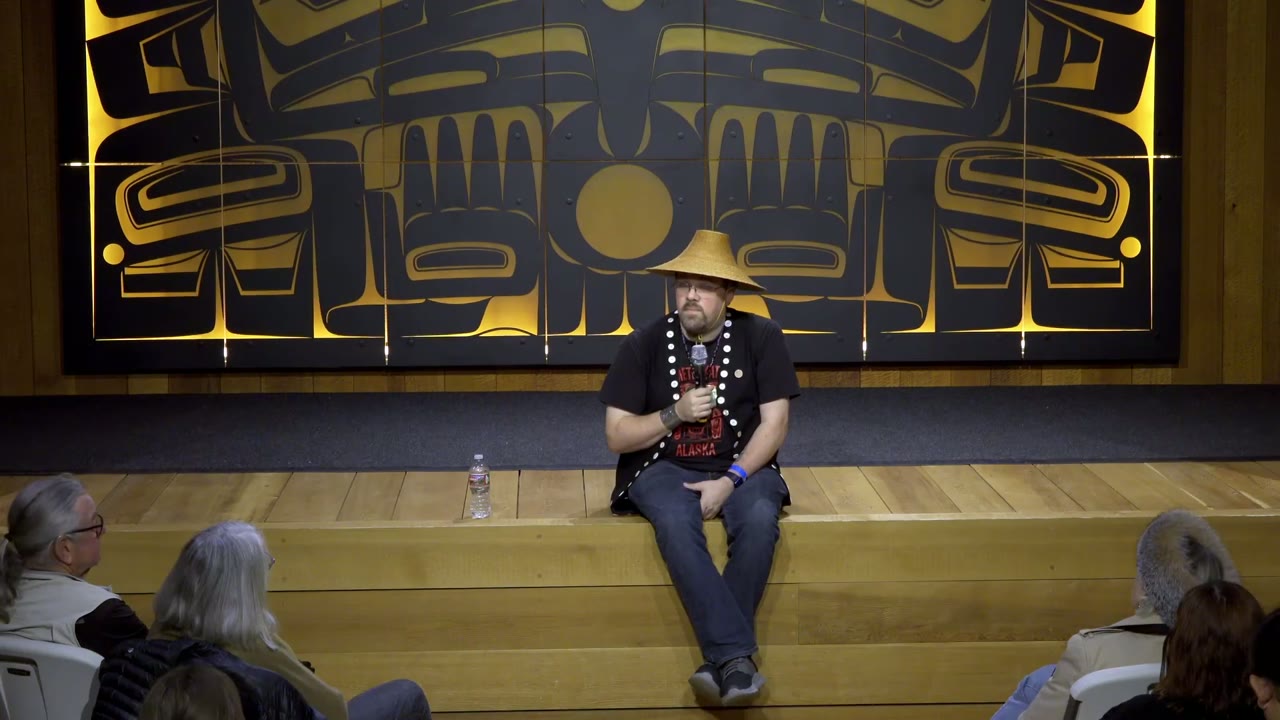
David Boxley
“when we first moved to Matkavik, Alaska, we came to Alaska The world was, um, upside down for us. And, um, you know, we were, you know, we had to sign paperwork that said there's no hot nacho, no calling shotlins, and no face painting, and all the things”Sealaska Heritage Institute: Laxgyibuu Clan Crest with David R. Boxley | Sealaska Heritage · Aug 12, 2026
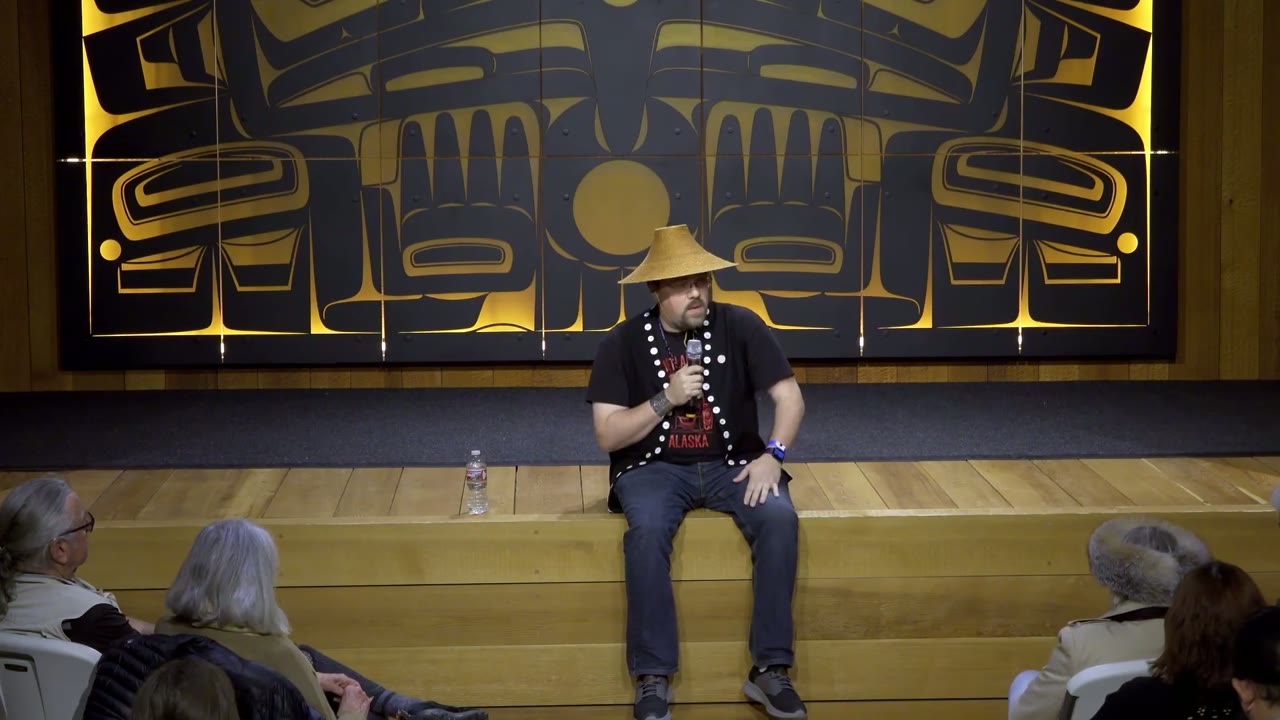
David Boxley
“The Laxgibu, who are again, in English we call the Wolfline, but Laxgibu means of the wolf. We originate at a place called Laxwi'ip.”Sealaska Heritage Institute: Laxgyibuu Clan Crest with David R. Boxley | Sealaska Heritage · Aug 12, 2026
David Boxley
“We are defined by William Duncan and being colonized and moved to Alaska. And that's all most anybody knows, including our own people. About being who we are. And I— the more I've learned, the more that kind of infuriates me.”Sealaska Heritage Institute: Laxgyibuu Clan Crest with David R. Boxley | Sealaska Heritage · Aug 12, 2026
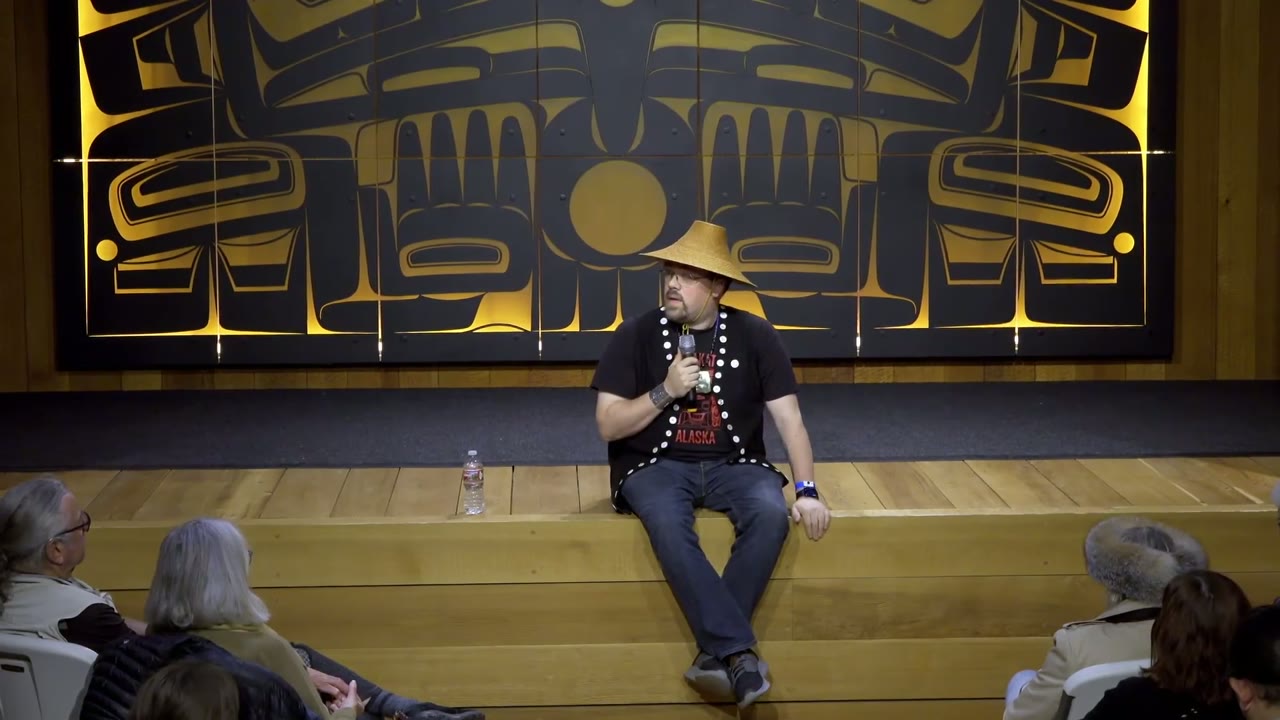
David Boxley
“You know, it's said, it's been written, that William Duncan might be the most successful missionary in this area. And in many ways that's true, although I know that my father and I would not be on his list of favorite people.”Sealaska Heritage Institute: Laxgyibuu Clan Crest with David R. Boxley | Sealaska Heritage · Aug 12, 2026
David Boxley
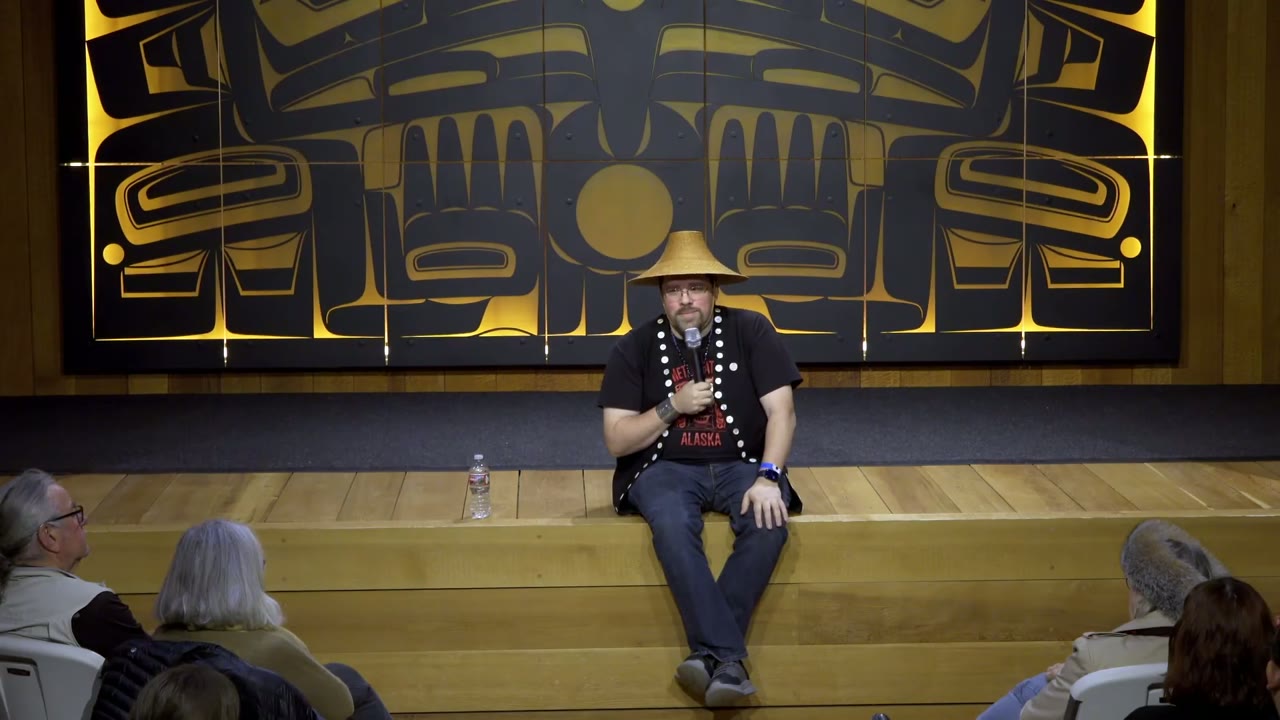
“Dudson Bay Company comes, William Duncan arrives, and we move one more time from British Columbia. Now that there's a difference— there was never a difference before, people didn't know what Alaska was up until they told us there's a border here now”Sealaska Heritage Institute: Laxgyibuu Clan Crest with David R. Boxley | Sealaska Heritage · Aug 12, 2026
David Boxley
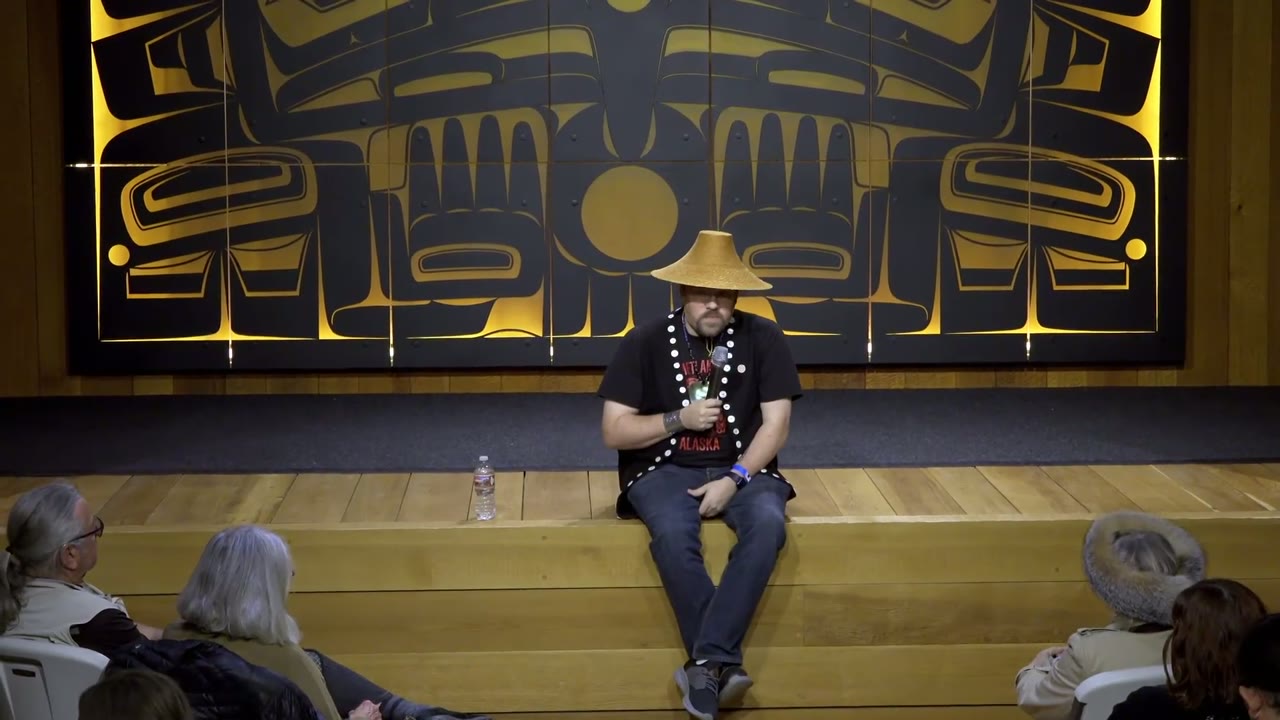
“Which is a plateau in the interior of British Columbia in between the headwaters of the Skeena, Nass, and Skeena Rivers.”Sealaska Heritage Institute: Laxgyibuu Clan Crest with David R. Boxley | Sealaska Heritage · Aug 12, 2026
David Boxley
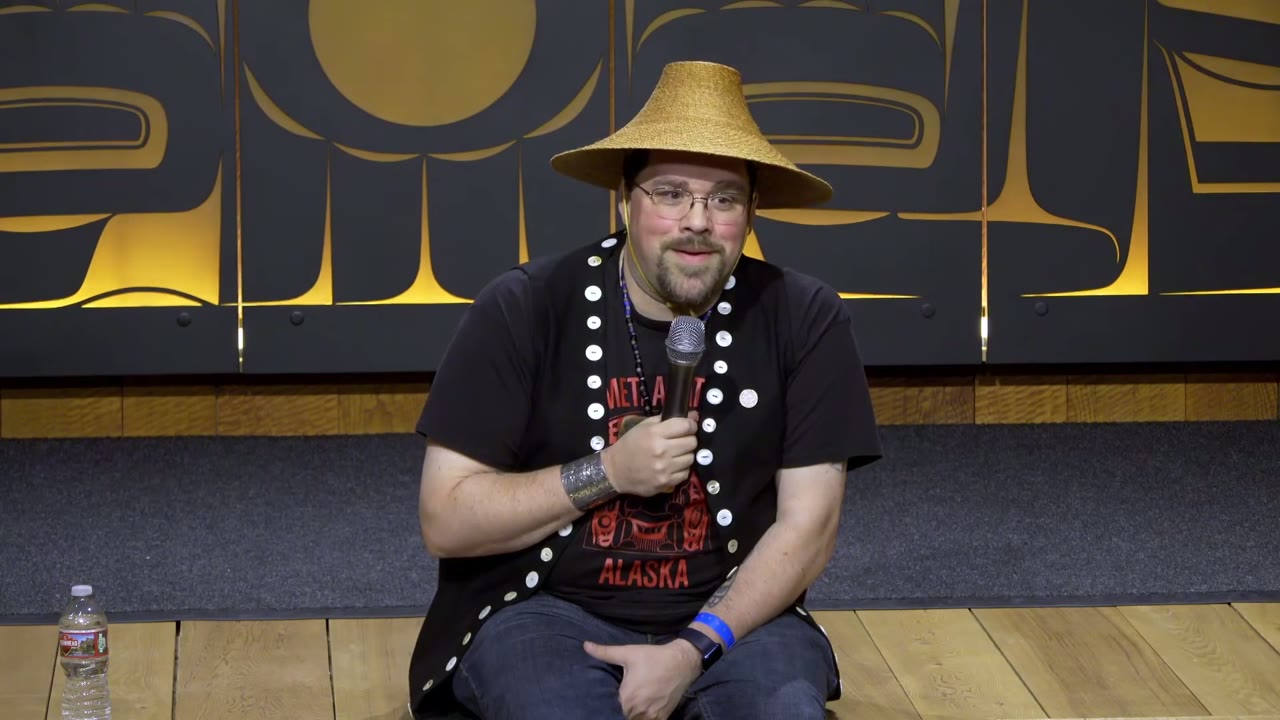
“We have always been, uh, the next-door neighbors, Julie Plingett and I, always, to the point that we're families. But that's the truth. So it's not like somebody grabbed us from Florida and dropped us in Southeast Alaska.”Sealaska Heritage Institute: Laxgyibuu Clan Crest with David R. Boxley | Sealaska Heritage · Aug 12, 2026
David Boxley
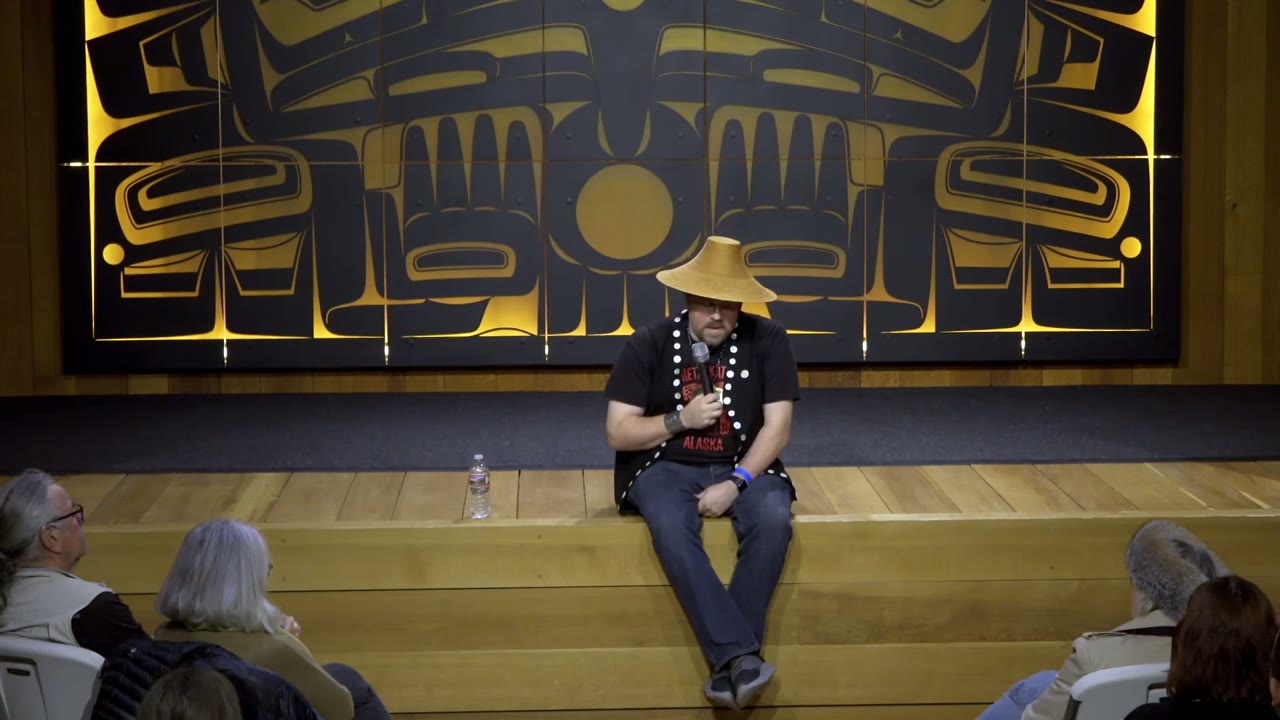
“it's really important to me that in thinking about this history, that the Laki'pul originated, migrated down the Stikine, and we used to live further north in Alaska in ancient, ancient times.”Sealaska Heritage Institute: Laxgyibuu Clan Crest with David R. Boxley | Sealaska Heritage · Aug 12, 2026
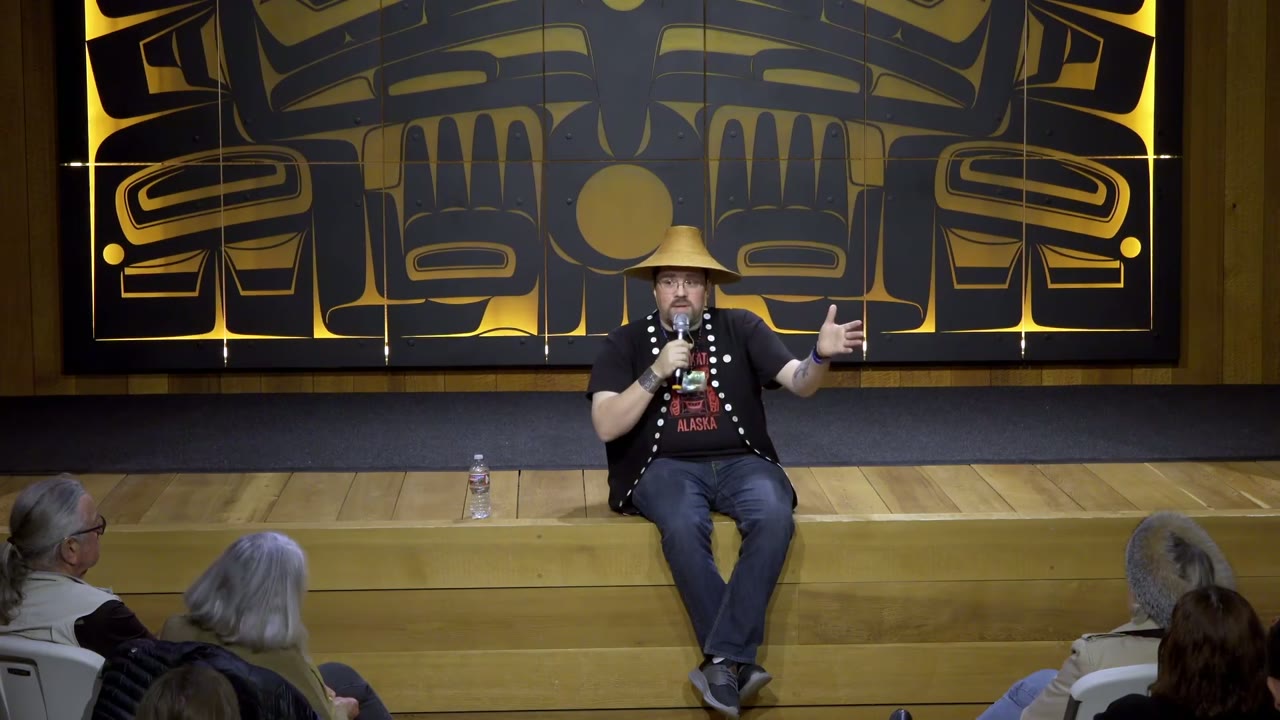
David Boxley
“My people are at the beginning of reclaiming this, and it's going to be the same for the other clans. It's a relearning for us, but I still find it really important to say it's not made up.”Sealaska Heritage Institute: Laxgyibuu Clan Crest with David R. Boxley | Sealaska Heritage · Aug 12, 2026
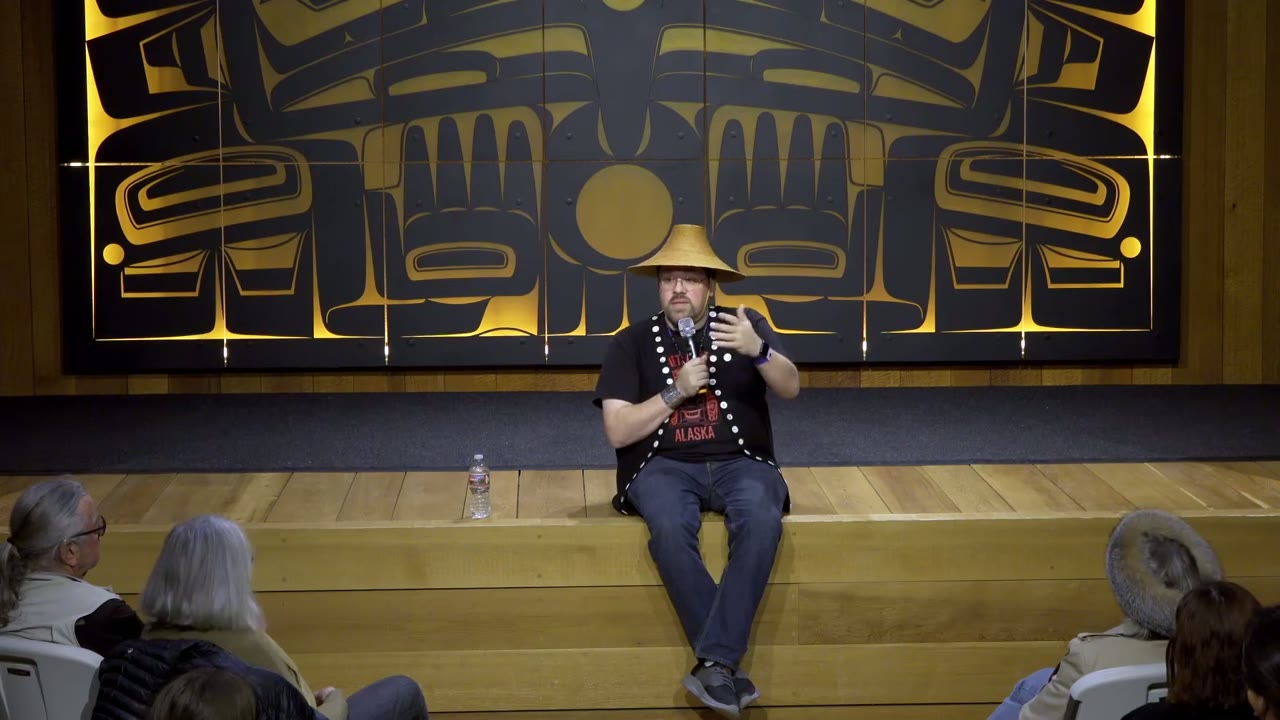
David Boxley
“they all said, oh, we heard our grandparents speaking Somali, but they'd always tell us, this is not for you. Or, you know, they kind of laugh at them when they tried to talk. It was because they were trying to protect them from what they'd all gone through.”Sealaska Heritage Institute: Laxgyibuu Clan Crest with David R. Boxley | Sealaska Heritage · Aug 12, 2026
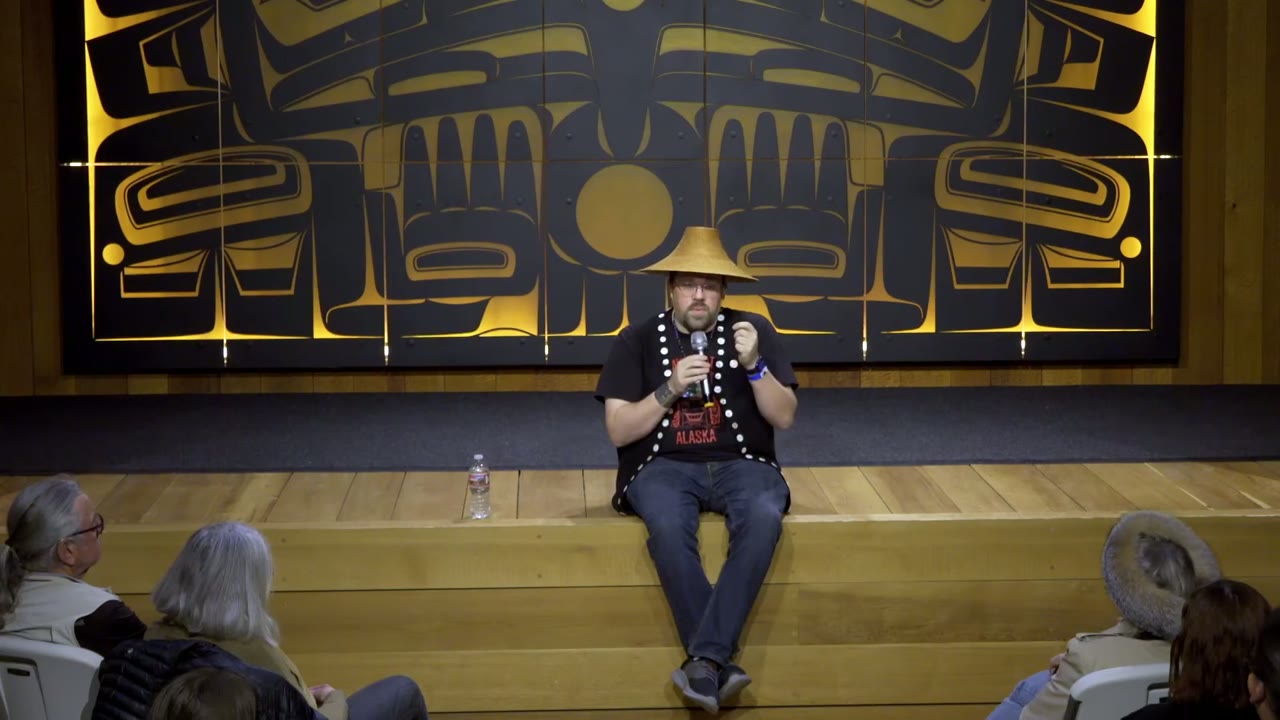
David Boxley
“when we went with Duncan and when you know, whether it was because we'd become Christians or whether it was because, uh, it was safe there, he had medicine that could help us from smallpox, whatever it was, um, we voluntarily gave up our chief system, which is how our house system runs.”Sealaska Heritage Institute: Laxgyibuu Clan Crest with David R. Boxley | Sealaska Heritage · Aug 12, 2026
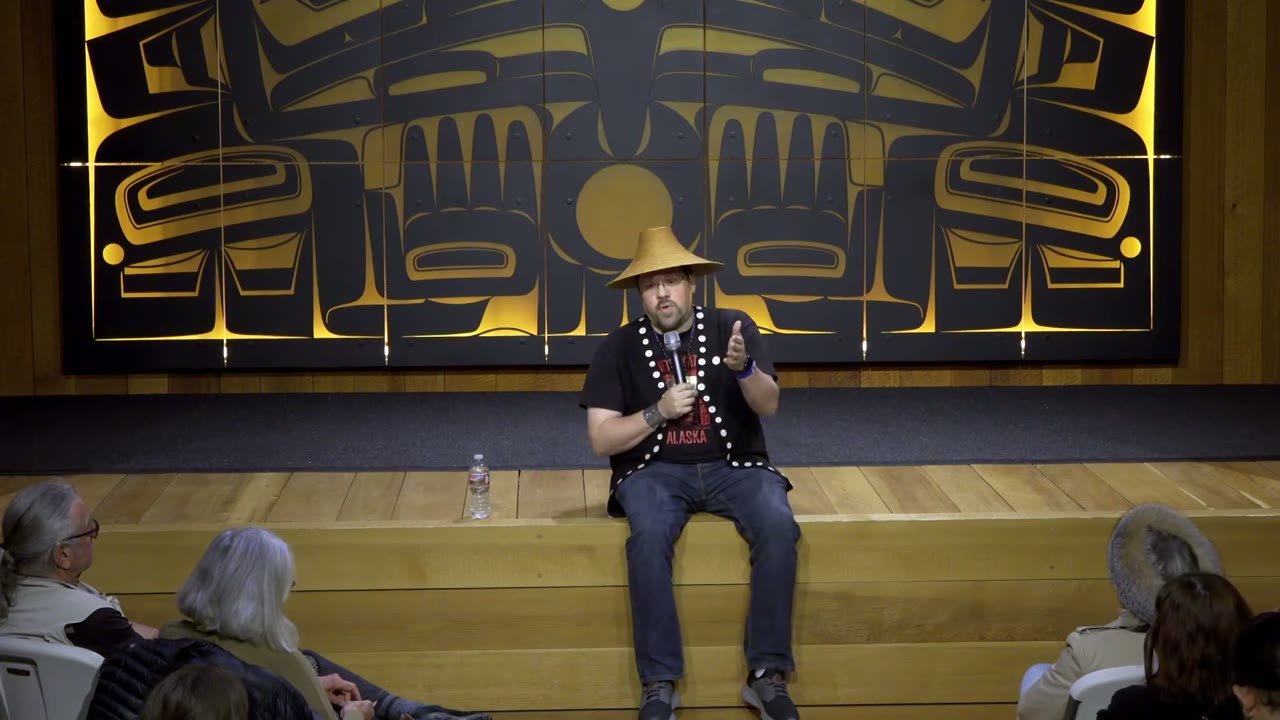
David Boxley
“there was a conflict between the wolf people and some raven people, and we had to move down the Stikine.”Sealaska Heritage Institute: Laxgyibuu Clan Crest with David R. Boxley | Sealaska Heritage · Aug 12, 2026
Maxine Richert
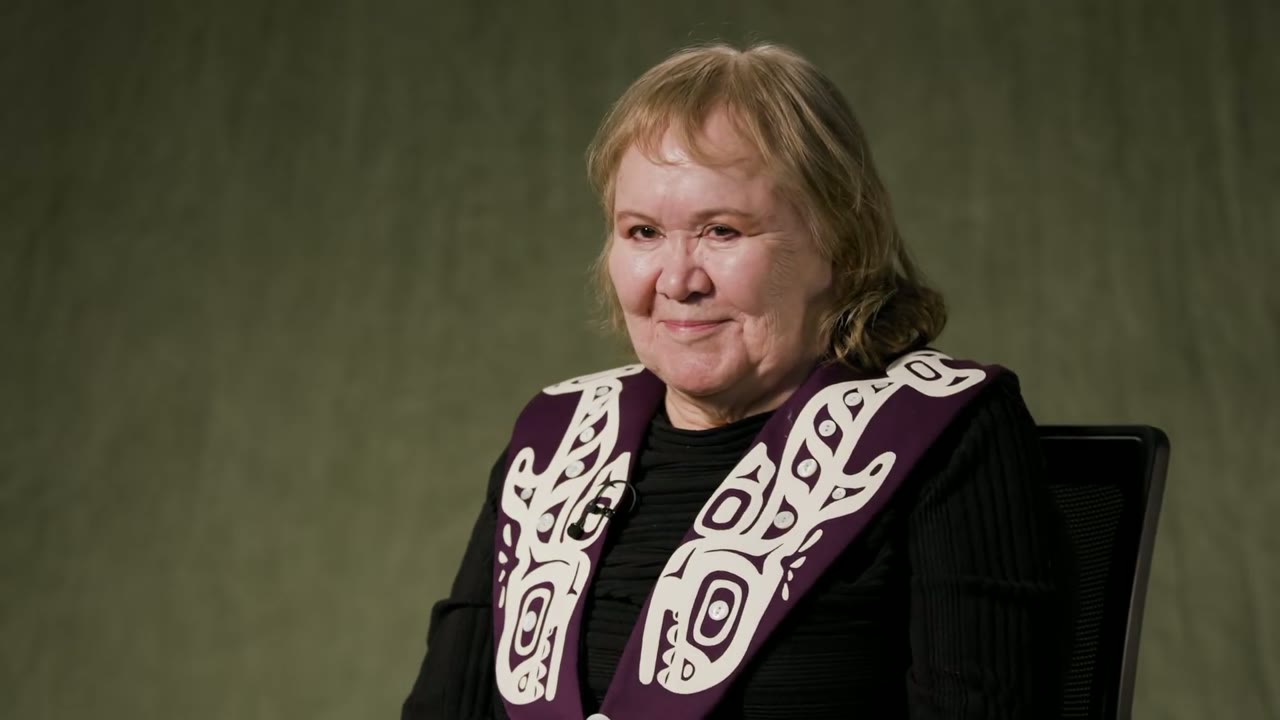
“At the time that it closed, it was the USA Presbytery closed it. It wasn't the wish of the congregation.... And Dr. Soboleff had just ordered 14 new pews. And then all of a sudden, it was just abruptly closed.”Sealaska Heritage Institute: Ḵaajaaḵwtí Dr. Sobolef Documentary | Sealaska Heritage · Aug 10, 2026
Maxine Richert
“Although it was called the Native Church, after it was established, white neighbors in the neighborhood asked Dr. Soboleff, "Well, can we join your church?" So he asked the Native congregation, and they said, "Why not?" So it became an integrated church.”Sealaska Heritage Institute: Ḵaajaaḵwtí Dr. Sobolef Documentary | Sealaska Heritage · Aug 10, 2026
Maxine Richert
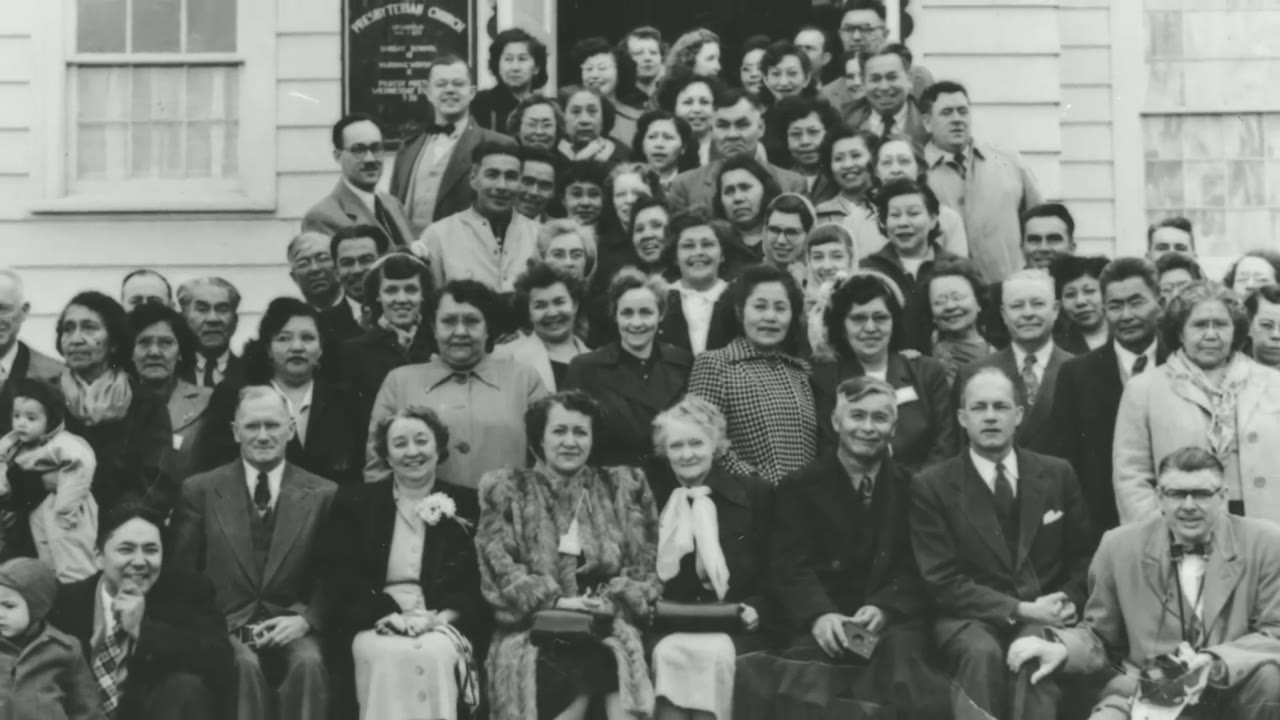
“It was established in 1942, and Walter was the first and only minister, Dr. Soboleff.”Sealaska Heritage Institute: Ḵaajaaḵwtí Dr. Sobolef Documentary | Sealaska Heritage · Aug 10, 2026
Ronalda Cadiente-Brown
“It's now easy to understand why November 14th is is Dr. Walter Sobolev Day in Alaska. A lifetime of challenging work, all done with gentleness.”Sealaska Heritage Institute: Ḵaajaaḵwtí Dr. Sobolef Documentary | Sealaska Heritage · Aug 10, 2026
Larry McNeil
“Write your own material, you know, because in spite of, you know, students or potential students thinking, you know, that they're disguising, you know, their submissions as being authored by them. It's very, very easily recognizable as being written by AI.”Sealaska Heritage Institute: Lecture: Continue Making a Living as an Artist and Avoid Being Replaced by AI | Sealaska Heritage · Jul 21, 2026
Larry McNeil
“AI artist statements and essays are becoming clones of each other, And if there are 50 openings for students and 50 of the essays are identical, that will stand out as the essays written by a real person will stand out. You'll be able to see it. I mean, I know this from personal experience because I've seen it myself. You know, it wasn't 50 of them. I think we had 37 applicants.”Sealaska Heritage Institute: Lecture: Continue Making a Living as an Artist and Avoid Being Replaced by AI | Sealaska Heritage · Jul 21, 2026
Larry McNeil
“Stanford University recently published a headline that read, and I quote, "AI hiring tools can yield racial bias." and systemic rejection with their hiring. And this was in their human-centered artificial intelligence area. And this was dated May 26, 2026, if you want to, you know, look it up yourself. So, this is bad because so many businesses, schools, governments, and organizations are using AI to evaluate applicants.”Sealaska Heritage Institute: Lecture: Continue Making a Living as an Artist and Avoid Being Replaced by AI | Sealaska Heritage · Jul 21, 2026
Larry McNeil
“I witnessed it myself, you know, because I'd sit on committees, you know, as a faculty member, and we'd be evaluating student applications to our programs. And you know what? That's one of the things that I was able to notice because I do a lot of writing. I was able to spot AI, you know?”Sealaska Heritage Institute: Lecture: Continue Making a Living as an Artist and Avoid Being Replaced by AI | Sealaska Heritage · Jul 21, 2026
Larry McNeil
“in the age of artificial intelligence, artists need to be more innovative with making a living as artists. We need to be innovative and reassert the authenticity of our art in the face of AI.”Sealaska Heritage Institute: Lecture: Continue Making a Living as an Artist and Avoid Being Replaced by AI | Sealaska Heritage · Jul 21, 2026
Larry McNeil
“AI is kind of like this drunken car, you know, going 200 miles an hour, you know, down a busy street, and there's no guardrails or very little guardrails. And that's the scary part.”Sealaska Heritage Institute: Lecture: Continue Making a Living as an Artist and Avoid Being Replaced by AI | Sealaska Heritage · Jul 21, 2026
Larry McNeil
“This points to an ethics weakness that are starting to appear with the usage of AI as a systemic tool, especially when humans are removed from hiring decisions.”Sealaska Heritage Institute: Lecture: Continue Making a Living as an Artist and Avoid Being Replaced by AI | Sealaska Heritage · Jul 21, 2026
Larry McNeil
“Applications that were easily identifiable as being written by artificial intelligence. No human wrote those submissions, you know. And so we faculty, we didn't know what to make about that, you know, at first going, wait a second, this is about creativity and these students are using AI to write these really critical statements. And that was not okay.”Sealaska Heritage Institute: Lecture: Continue Making a Living as an Artist and Avoid Being Replaced by AI | Sealaska Heritage · Jul 21, 2026
Larry McNeil
“When students are expected to do creative work, you can't use AI to be doing that because you'll get a canned look that looks stale and stereotypical. And because AI doesn't know, you know, the meaning behind what a lot of the artwork is about.”Sealaska Heritage Institute: Lecture: Continue Making a Living as an Artist and Avoid Being Replaced by AI | Sealaska Heritage · Jul 21, 2026
Larry McNeil
“It's balance and AI can't do that. Thank you, Dorothy. Yes, I would totally agree with that. I don't think AI has the ability to really do maybe what we could call is a proper form line. At least I haven't seen it yet.”Sealaska Heritage Institute: Lecture: Continue Making a Living as an Artist and Avoid Being Replaced by AI | Sealaska Heritage · Jul 21, 2026
Kelly Monteleone
“What about our form line art, and how is AI a threat to copy or redefine the art form? The artist can manipulate form line by 1/16 of an inch and it matters.”Sealaska Heritage Institute: Lecture: Continue Making a Living as an Artist and Avoid Being Replaced by AI | Sealaska Heritage · Jul 21, 2026
Larry McNeil
“I'm going to talk about the artist statement just really briefly. It's what you need to author yourself because authenticity is an important aspect of all of it.”Sealaska Heritage Institute: Lecture: Continue Making a Living as an Artist and Avoid Being Replaced by AI | Sealaska Heritage · Jul 21, 2026
Renaud Chandivert
“one can consider that what I have described about traditional food corresponds to the notion of dense social ecological networks developed by this French scholar. These networks are made up of multi-species and are crisscrossed by multidimensional connections between humans and between humans and the living world.”Sealaska Heritage Institute: Lecture: AN "ARCHIPELAGO OF CONNECTIONS" AND A LIVING HERITAGE | Sealaska Heritage · Jul 1, 2026
Renaud Chandivert
“SHI opened its doors to me in 2023 and allowing me to discover your magnificent region with with a lot of humility and joy, and to meet with such warm and generous people here.”Sealaska Heritage Institute: Lecture: AN "ARCHIPELAGO OF CONNECTIONS" AND A LIVING HERITAGE | Sealaska Heritage · Jul 1, 2026
Renaud Chandivert
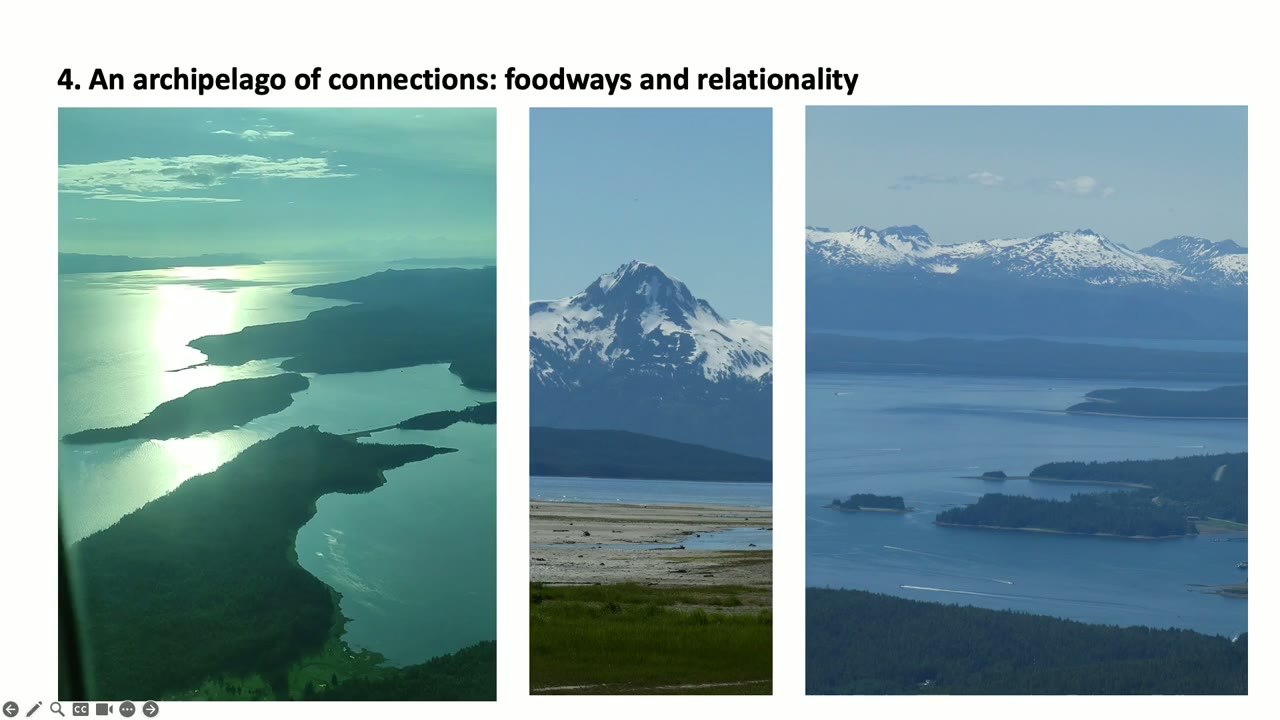
“I will focus on past and contemporary connections on relationality. Food is a perfect subject to talk about that because sharing a meal with family and/or with friends with friends is a good way to connect to each other and to develop relationality. Tlingit have a well-known saying, you know, 'When the tide is out, the table is set,' because you can gather cockles, clams, etc.”Sealaska Heritage Institute: Lecture: AN "ARCHIPELAGO OF CONNECTIONS" AND A LIVING HERITAGE | Sealaska Heritage · Jul 1, 2026
Renaud Chandivert
“Native traditional foodways are under pressure nowadays Federal and state regulation, climate deregulation, competition with the commercial sector, and with also sport hunting and fishing, evolution of ways of life, which is something which is normal, you know, all have a negative impact on traditional foodways. Even so, natives really care about these traditional foods. They say that it's good for you, that it's healthy, and that it's healing too.”Sealaska Heritage Institute: Lecture: AN "ARCHIPELAGO OF CONNECTIONS" AND A LIVING HERITAGE | Sealaska Heritage · Jul 1, 2026
Renaud Chandivert
“It seems to me that the archipelago paradigm and this idea of relationality perfectly fit with what I wanted to develop in this lecture and also correspond quite well to Southeast Alaska geographical, the Alexander Archipelago, cultural, spiritual, political, and also political context.”Sealaska Heritage Institute: Lecture: AN "ARCHIPELAGO OF CONNECTIONS" AND A LIVING HERITAGE | Sealaska Heritage · Jul 1, 2026
Renaud Chandivert
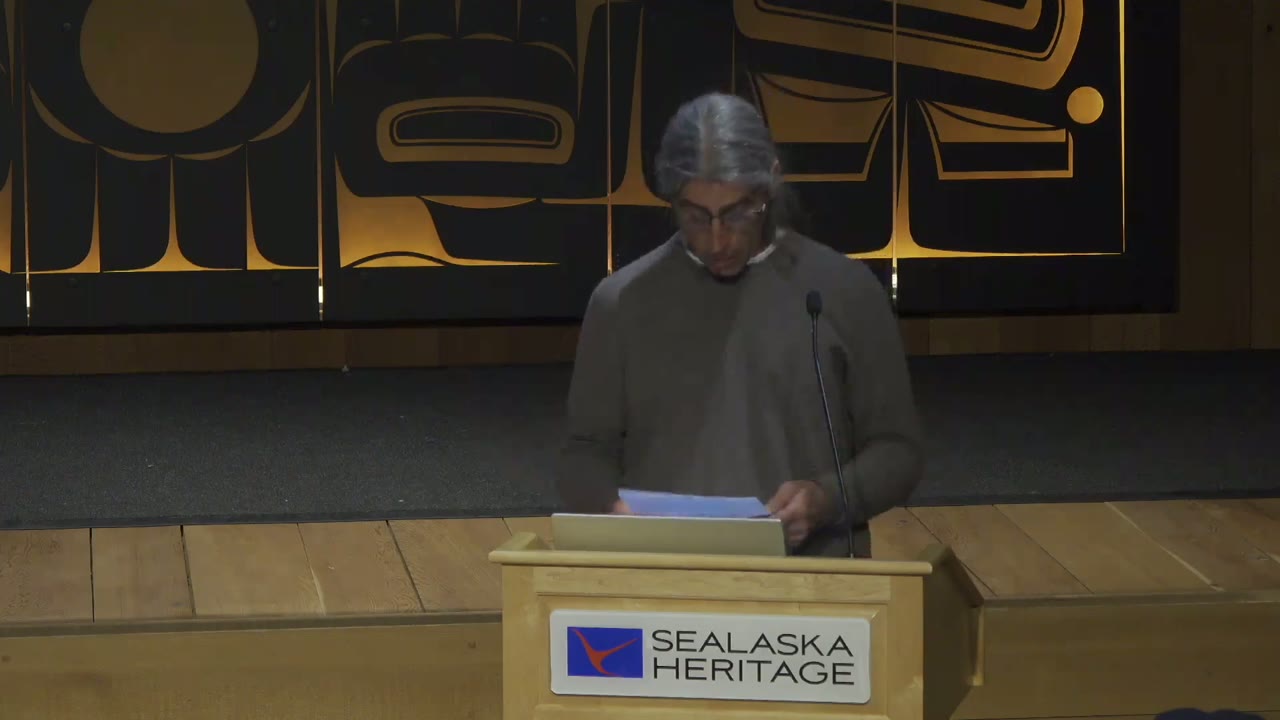
“When elders in Huna are offered, offered goose eggs from Glacier Bay, the most important thing is not the protein in the yolk. It is the fact that these goose eggs provide spiritual and cultural nourishment. As this example shows, one of the most important means to create multi-fiber connections through traditional foodways networks is sharing.”Sealaska Heritage Institute: Lecture: AN "ARCHIPELAGO OF CONNECTIONS" AND A LIVING HERITAGE | Sealaska Heritage · Jul 1, 2026
Renaud Chandivert
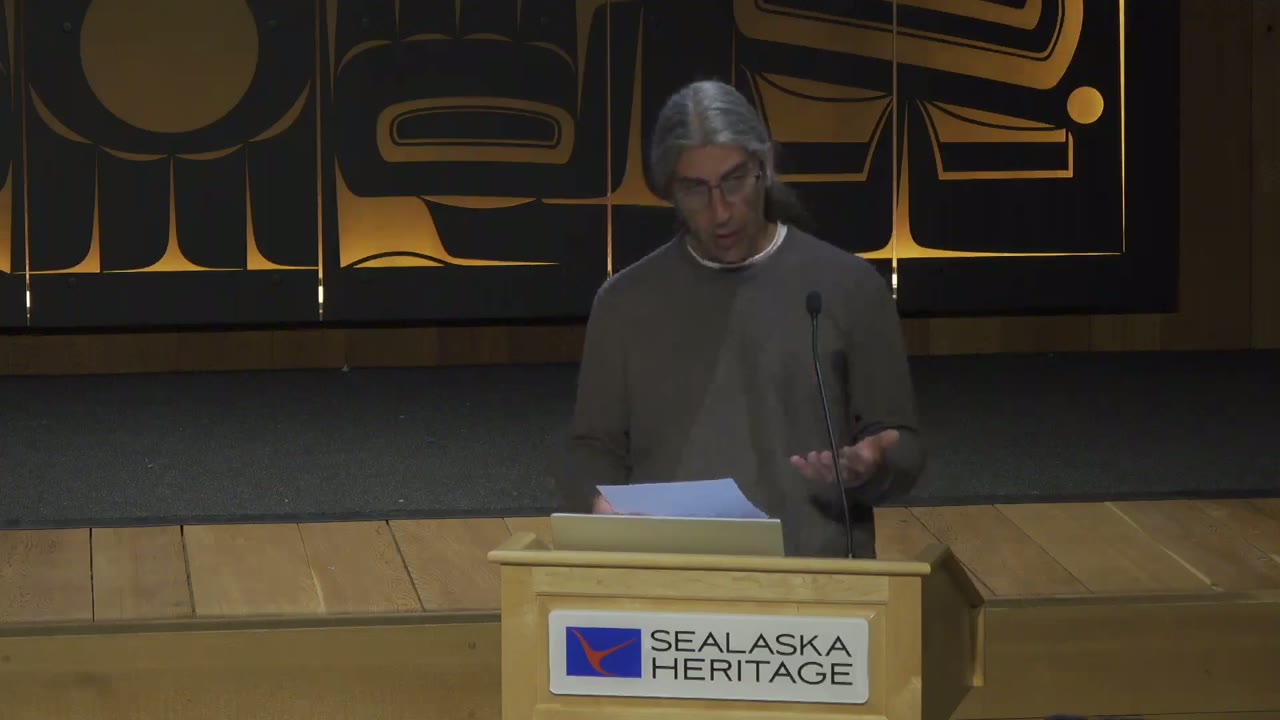
“What I witnessed and gradually became aware of is the existence of a vast archipelago of multidimensional and cyclical connections of deep networks of attachment, a world in itself, reversing the taken-for-granted relationship between centers and peripheries. What I also witness and experience is the profound dedication of native people here in Southeast Alaska to perpetuate and enhance this multidimensional living heritage, even if it is fragilized by local regional, national, or globalized forces.”Sealaska Heritage Institute: Lecture: AN "ARCHIPELAGO OF CONNECTIONS" AND A LIVING HERITAGE | Sealaska Heritage · Jul 1, 2026
Renaud Chandivert
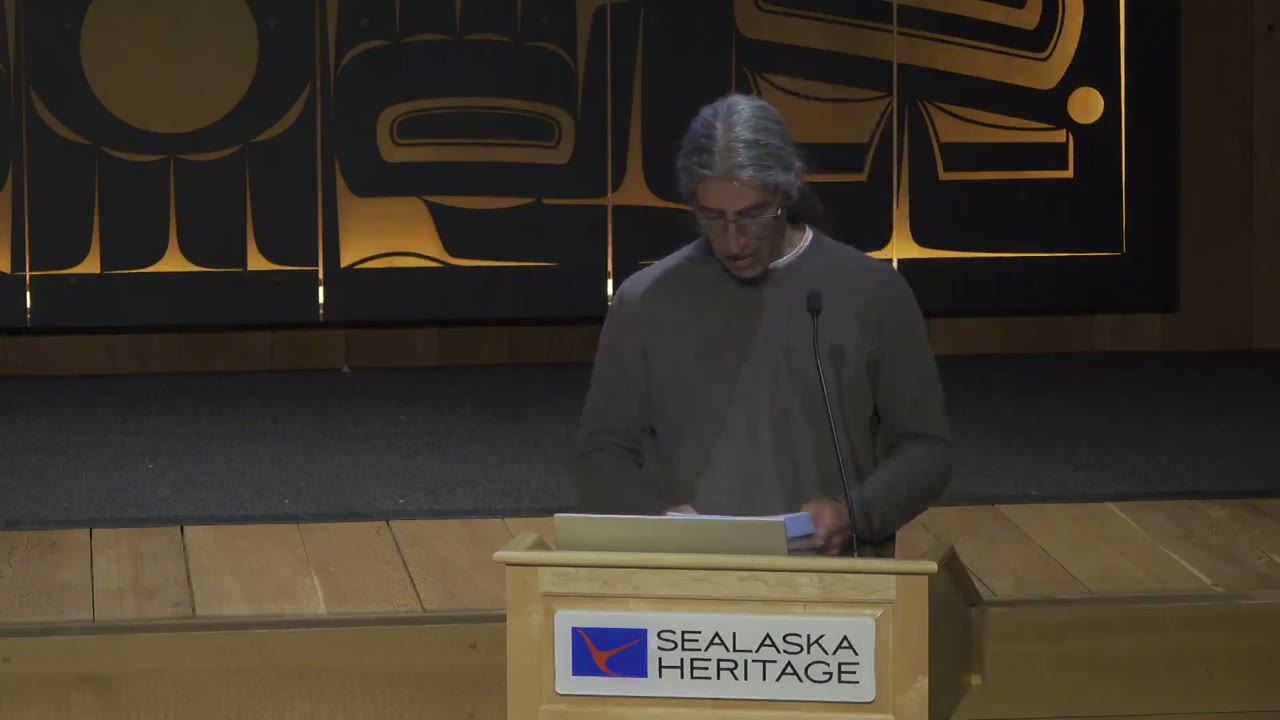
“Traditional foods and foodways broadly correspond to what is called subsistence food or subsistence practices. In federal and state regulations. Native people in Alaska consider that hunting, fishing, and gathering are central to who they are.”Sealaska Heritage Institute: Lecture: AN "ARCHIPELAGO OF CONNECTIONS" AND A LIVING HERITAGE | Sealaska Heritage · Jul 1, 2026
Renaud Chandivert
“How could traditional foodways— I prefer to use this expression rather than subsistence, which is rightfully very controversial— help us to go beyond basic oppositions between spirituality and materiality, between land and ocean, between animals and human beings, between keeping and giving, between the self and the other?”Sealaska Heritage Institute: Lecture: AN "ARCHIPELAGO OF CONNECTIONS" AND A LIVING HERITAGE | Sealaska Heritage · Jul 1, 2026
Renaud Chandivert
“I've discovered the importance of transmission of Tlingit culture and traditional foodways among generations. I also began to discover the fact that these traditional foodways embrace a deep spiritual dimension. This spiritual dimension joins together past, present, and future and concerns the relationship with natural species.”Sealaska Heritage Institute: Lecture: AN "ARCHIPELAGO OF CONNECTIONS" AND A LIVING HERITAGE | Sealaska Heritage · Jul 1, 2026
Renaud Chandivert
“Salmon, berries, herring eggs, Hollywood are the connectors between people on families, on friends, and also past and future generations. By this way, it's not possible to oppose bad spread-out networks and good multi-fibers one. Networks are never a problem by themself. It's the basis on which they are built and the way we use them that define what they can be.”Sealaska Heritage Institute: Lecture: AN "ARCHIPELAGO OF CONNECTIONS" AND A LIVING HERITAGE | Sealaska Heritage · Jul 1, 2026
Renaud Chandivert
“Long durée processes of co-evolution between humans and other species, detailed knowledge gained from observing species behavior and ecosystems functioning, multi-species communities,, and land-stream-ocean continuum, all of these create deep networks of connections.”Sealaska Heritage Institute: Lecture: AN "ARCHIPELAGO OF CONNECTIONS" AND A LIVING HERITAGE | Sealaska Heritage · Jul 1, 2026
Renaud Chandivert
“Transporting this concept and mixing it with Édouard Glissant's idea of archipelago, I propose to develop the notion of archipelago of connections. Speaking of an archipelago of connections can help us to conceptualize what I have already developed in this lecture about holistic traditional foodways and multi-species communities.”Sealaska Heritage Institute: Lecture: AN "ARCHIPELAGO OF CONNECTIONS" AND A LIVING HERITAGE | Sealaska Heritage · Jul 1, 2026
Renee Culp
“I can feel its spirit coming alive.”Sealaska Heritage Institute: Summer Lecture Series: KAHTUSHTU' ROBE | Sealaska Heritage · Jun 30, 2026
Renee Culp
“The kahtoosh too robe is coming into being.”Sealaska Heritage Institute: Summer Lecture Series: KAHTUSHTU' ROBE | Sealaska Heritage · Jun 30, 2026
Renee Culp
“Not power and dominance, but service, sacrifice, accountability, and love.”Sealaska Heritage Institute: Summer Lecture Series: KAHTUSHTU' ROBE | Sealaska Heritage · Jun 30, 2026
Renee Culp
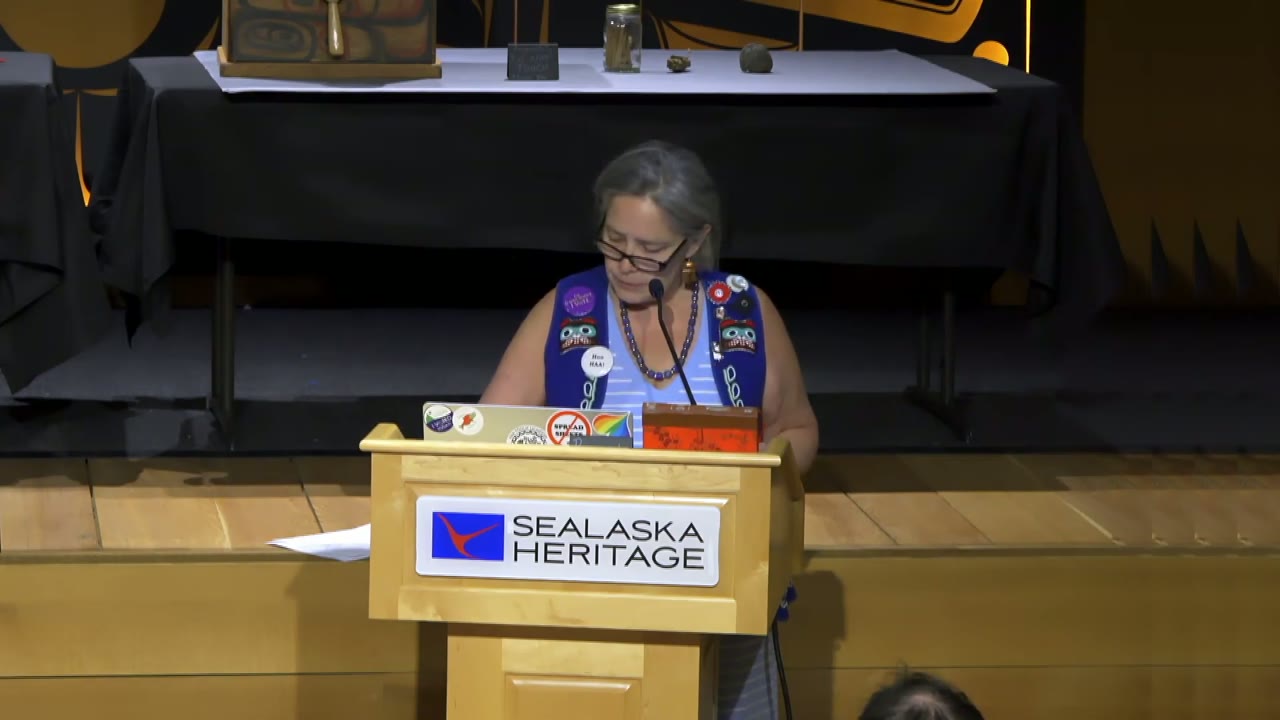
“What I believe my ancestor Katushtu is is trying to teach us, remind us, help us return to is protection.”Sealaska Heritage Institute: Summer Lecture Series: KAHTUSHTU' ROBE | Sealaska Heritage · Jun 30, 2026
Renee Culp
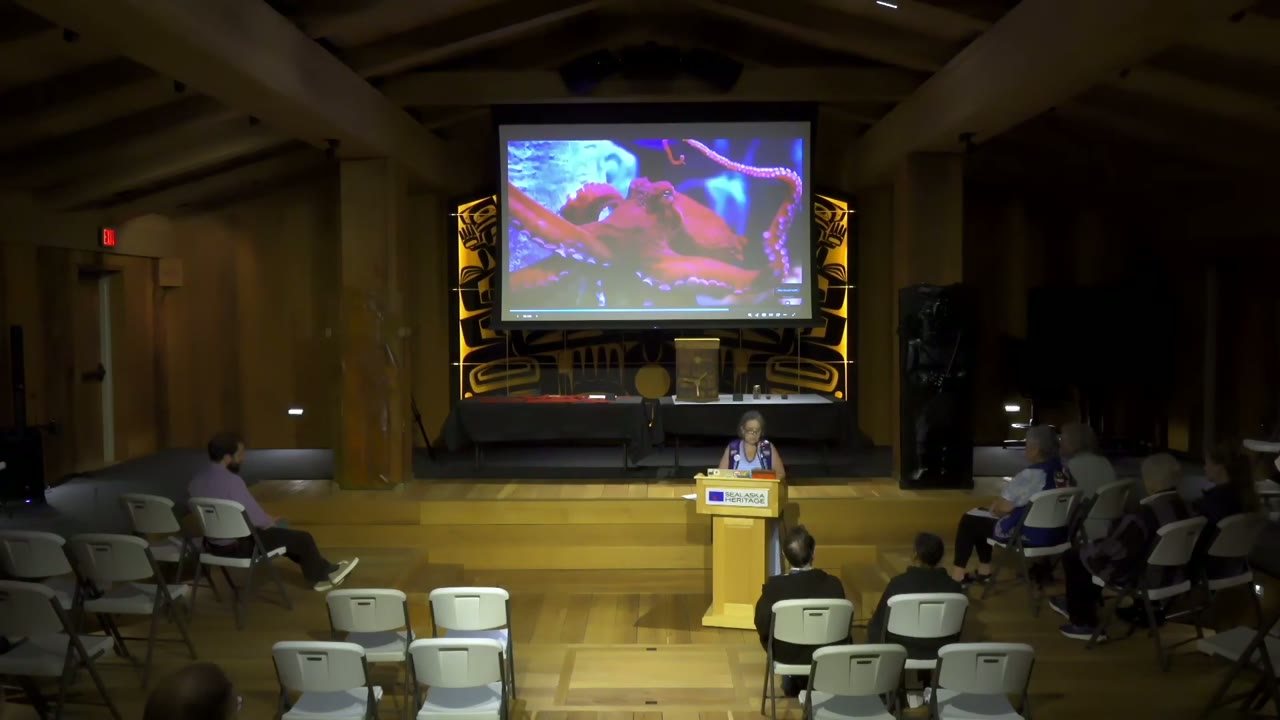
“Just right outside Glacier Bay, there are Porpoise Islands. And outside our— the bay of— at the entrance of our bay, near the Porpoise Islands, there was a giant octopus that was wreaking havoc with our people.”Sealaska Heritage Institute: Summer Lecture Series: KAHTUSHTU' ROBE | Sealaska Heritage · Jun 30, 2026
Renee Culp
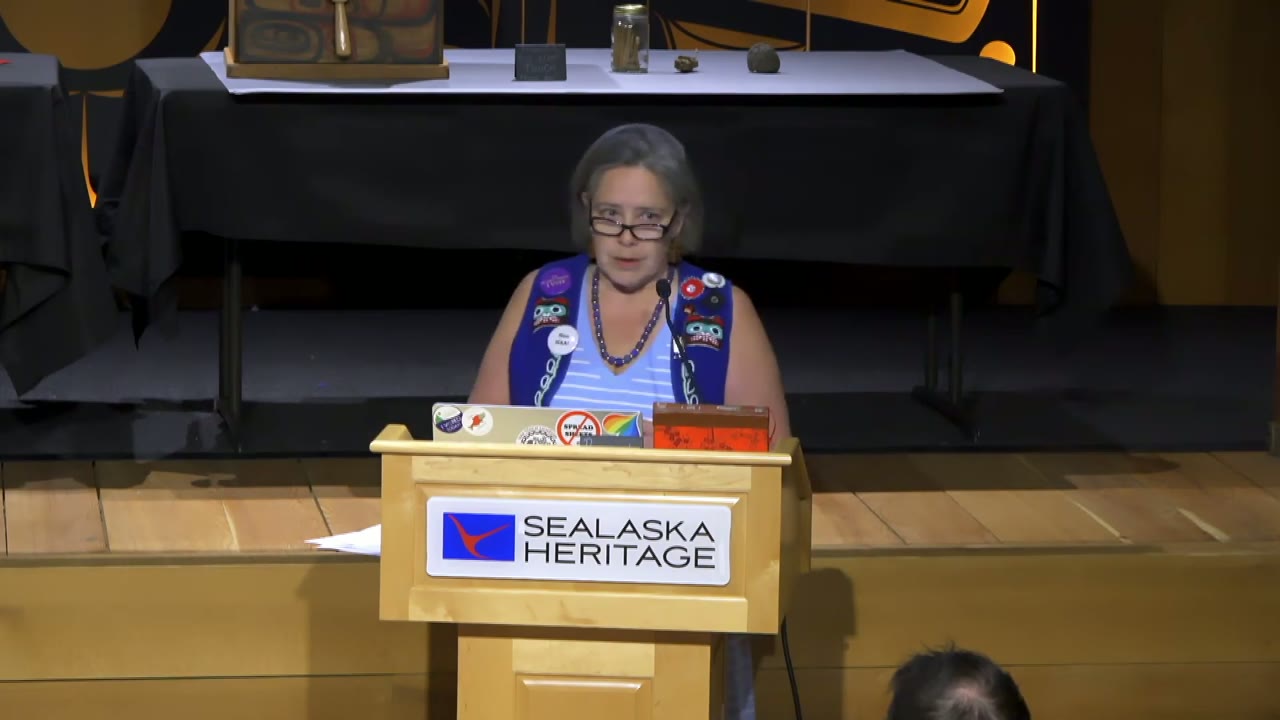
“Our artifacts are the things that we are creating. These pieces are often referred to as artwork or simply art, and they are, but they are so much more.”Sealaska Heritage Institute: Summer Lecture Series: KAHTUSHTU' ROBE | Sealaska Heritage · Jun 30, 2026
Renee Culp
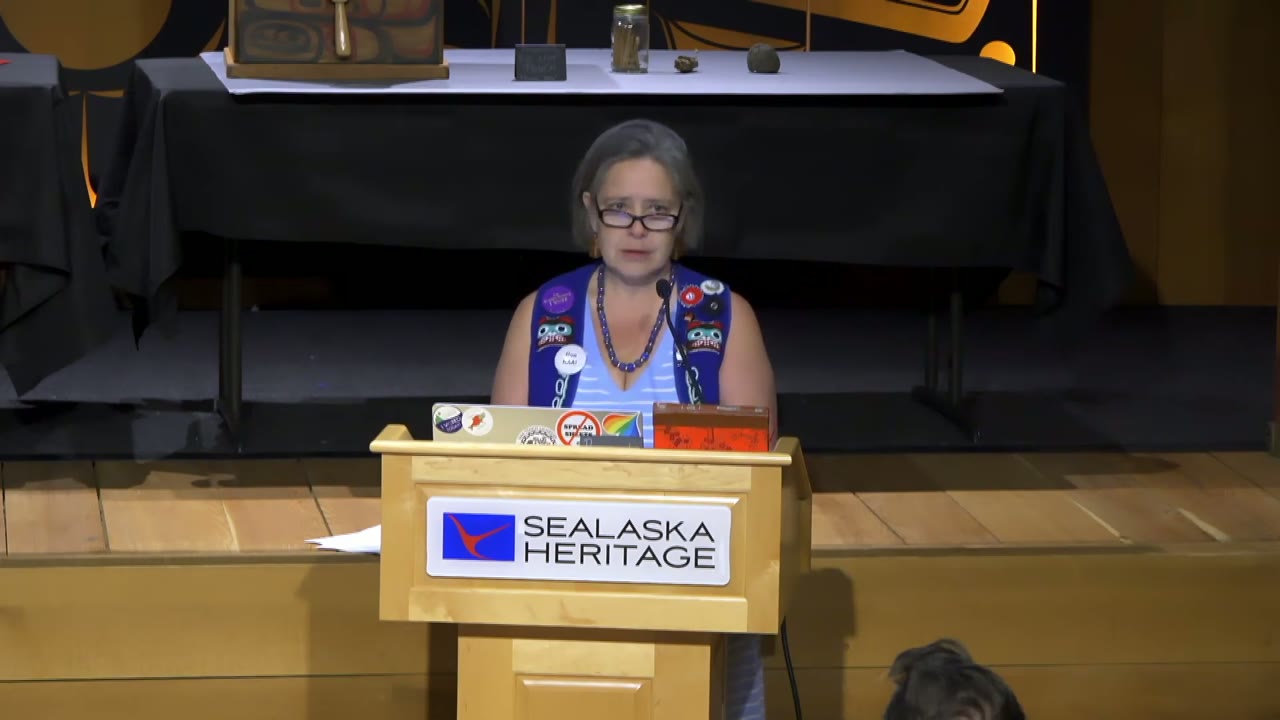
“At'uu in our Tlingit culture is a clan-owned piece of property.”Sealaska Heritage Institute: Summer Lecture Series: KAHTUSHTU' ROBE | Sealaska Heritage · Jun 30, 2026