0:43
Erin Baldwin Day
19:44 - 20:28
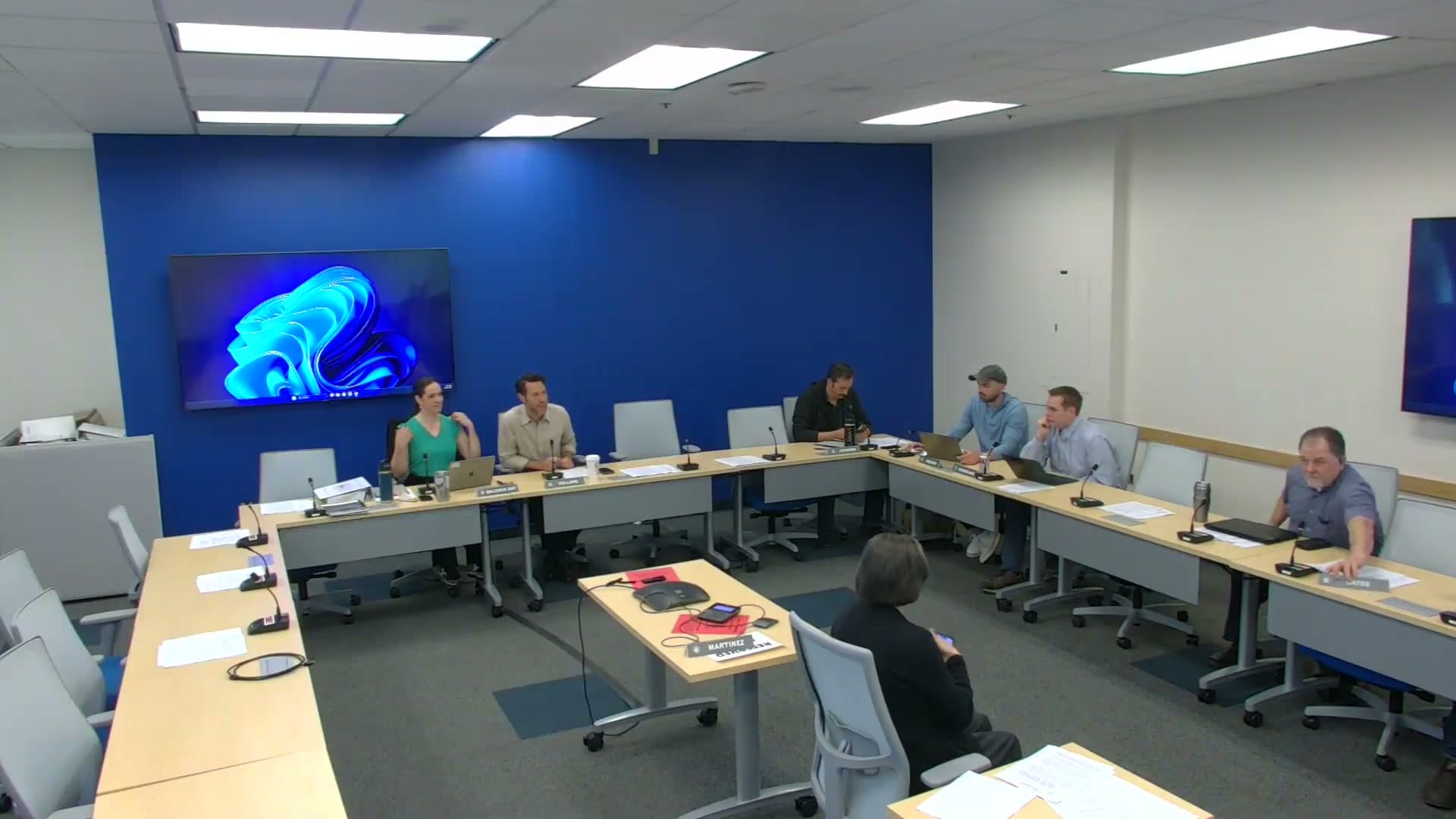
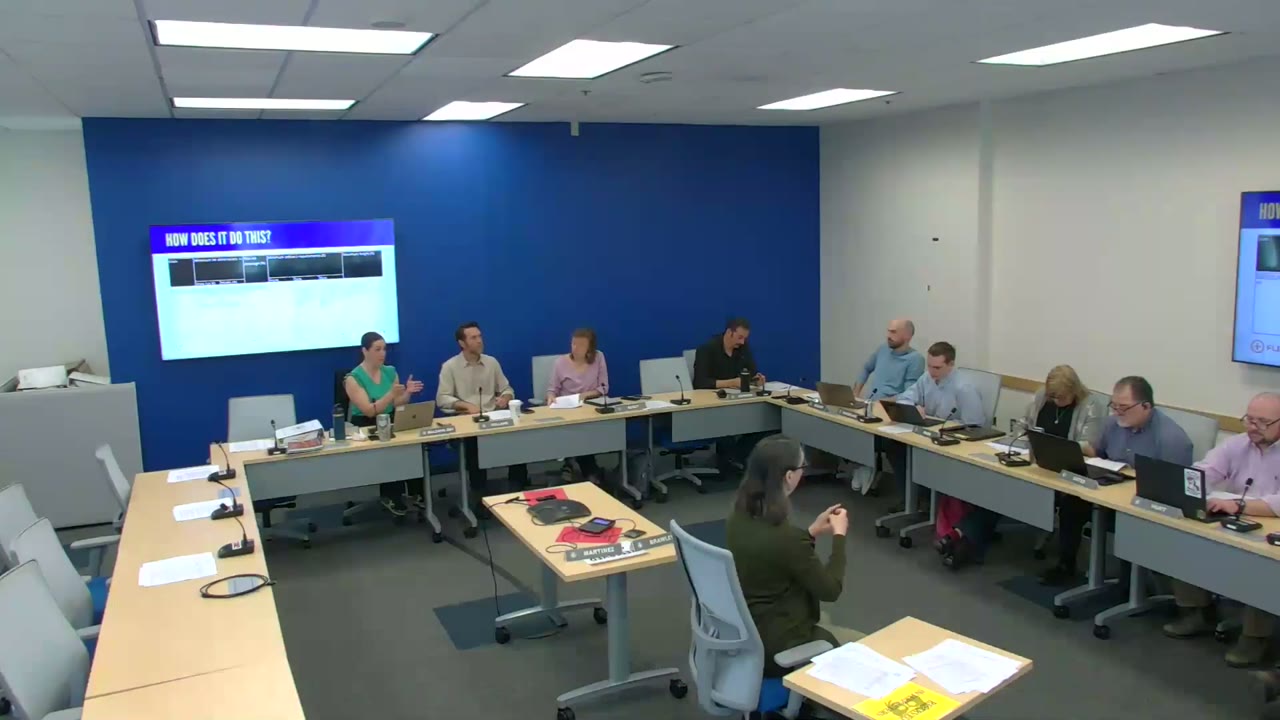
"the maximum height is 40 feet, which is 10 feet higher than what is currently permitted in most residential zones, 30 if the underlying zone is R-1. So one of the things we heard during the TSDO process was a really significant current concern about shadows in these R1 neighborhoods, the residential single-family neighborhoods. And so this was a response to that concern to say, okay, in R1, we will maintain the height as is, as it already exists in that zone."
“the maximum height is 40 feet, which is 10 feet higher than what is currently permitted in most residential zones, 30 if the underlying zone is R-1. So one of the things we heard during the TSDO process was a really significant current concern about shadows in these R1 neighborhoods, the residential single-family neighborhoods. And so this was a response to that concern to say, okay, in R1, we will maintain the height as is, as it already exists in that zone.”
- Speaker
- Erin Baldwin Day
- Timestamp
- 19:44 – 20:28
- Community
- Alaska News
- Location
- Anchorage
- Captured at
- June 17, 2026
From the transcript
If you're on an alley, the building can go all the way to the back of the plot. And the maximum height is 40 feet, which is 10 feet higher than what is currently permitted in most residential zones, 30 if the underlying zone is R-1. So one of the things we heard during the TSDO process was a really significant current concern about shadows in these R1 neighborhoods, the residential single-family neighborhoods. And so this was a response to that concern to say, okay, in, in R1, we will maintain the height as is, as it already exists in that zone. Anywhere else, the height is 40, or if it's a zone that allows for a more permissible height, could be higher.
Related Coverage
Anchorage Assembly reviews missing middle housing overlay for transit corridors
Anchorage's Assembly weighed an opt-in overlay easing duplex and small-apartment building on transit corridors, balancing housing goals against neighborhood concerns.
 by Walter AlaskaNews1mo ago2 min readAI
Anchorage