Cody Allen
15:09 - 15:36
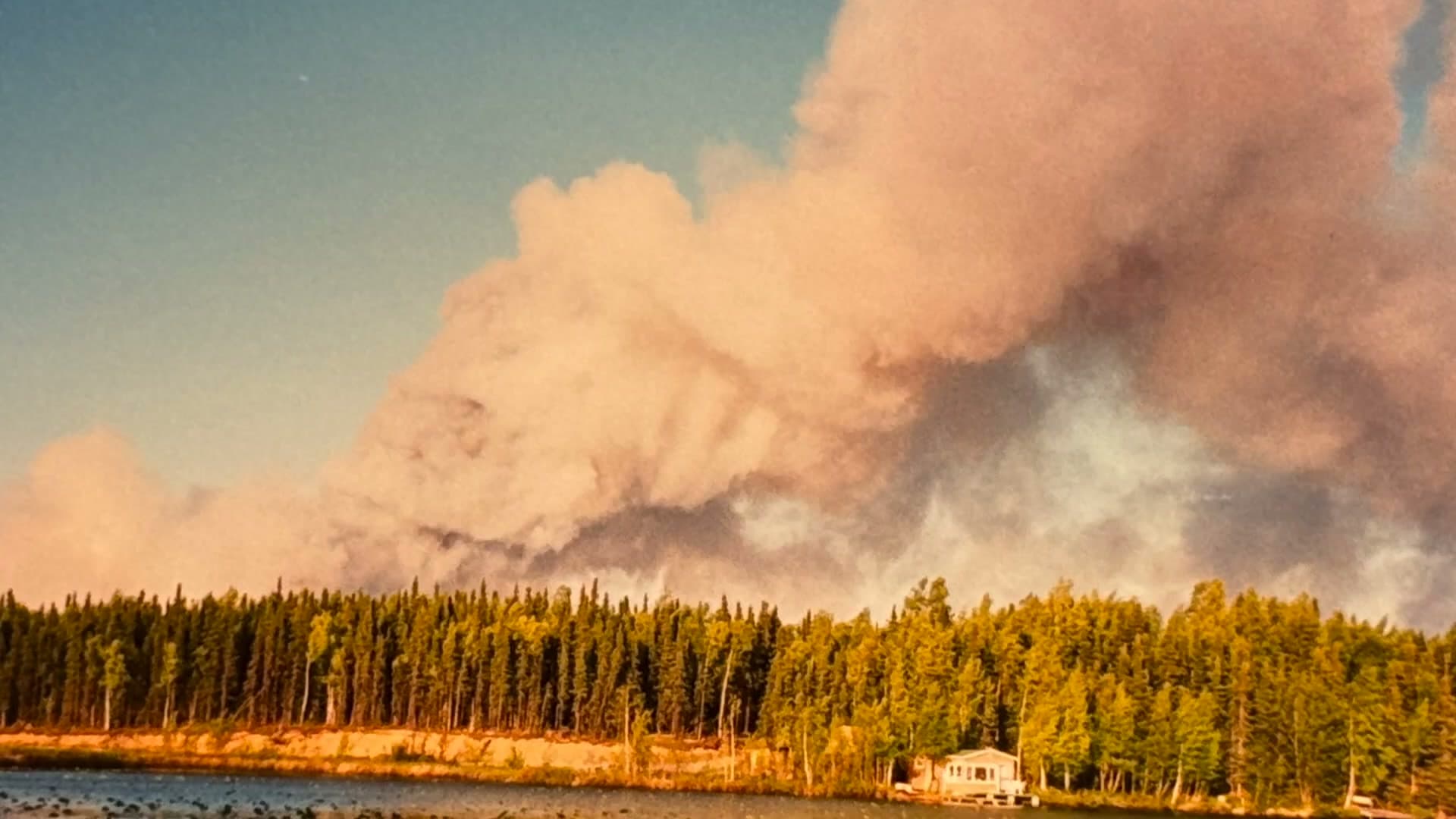
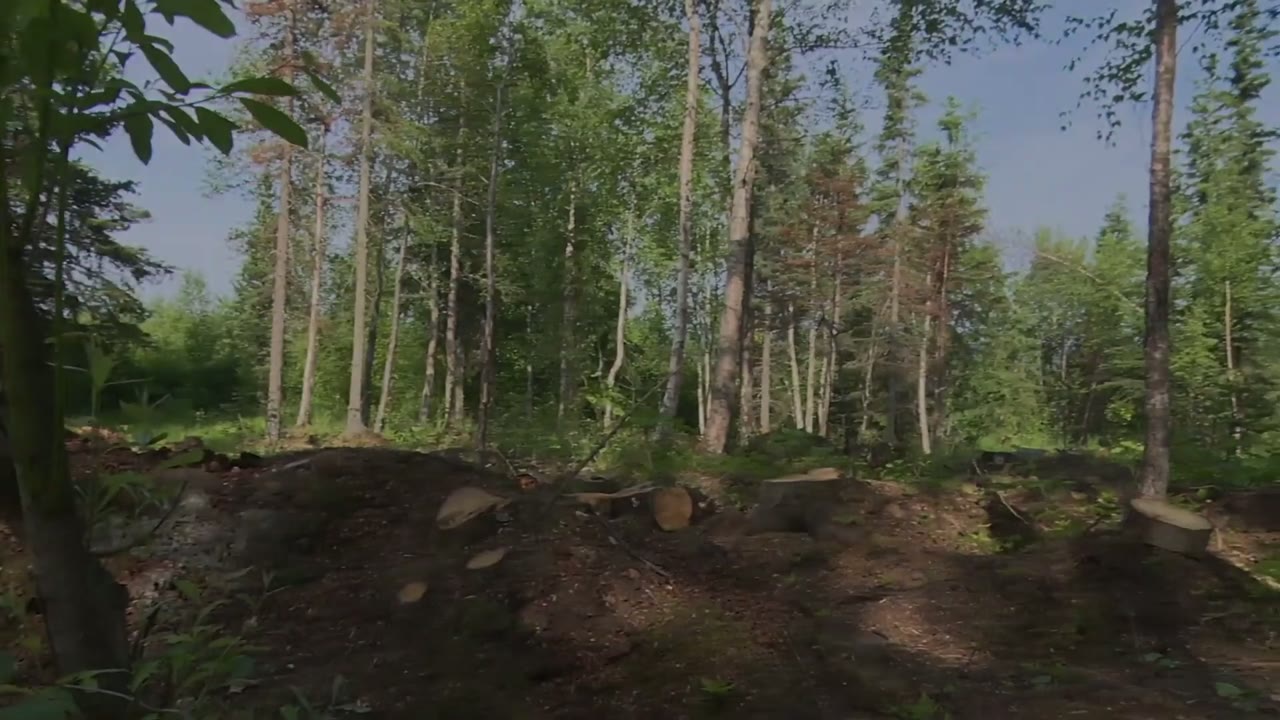
"We can put in fuel breaks in a lot of places, but if the wind's blowing and fire is established, those fuel breaks can only do so much. What's going to help people out is. Is what we call hardening around their houses and getting their houses set up to where a fire comes through. It just goes by and doesn't bother their house."
“We can put in fuel breaks in a lot of places, but if the wind's blowing and fire is established, those fuel breaks can only do so much. What's going to help people out is. Is what we call hardening around their houses and getting their houses set up to where a fire comes through. It just goes by and doesn't bother their house.”
- Speaker
- Cody Allen
- Timestamp
- 15:09 – 15:36
- Community
- Alaska News
- Location
- Big Lake
- Captured at
- June 5, 2026
From the transcript
We can put in fuel breaks in a lot of places, but if the wind's blowing and fire is established, those fuel breaks can only do so much. What's going to help people out is. Is what we call hardening around their houses and getting their houses set up to where a fire comes through. It just goes by and doesn't bother their house. It's those little things around the house, around the places that catch on fire that need to be cleaned up and give you much better chance of having success.
Related Coverage
Miller's Reach fire lessons shape Alaska wildfire response 30 years on
Thirty years after the Miller's Reach Fire destroyed 344 structures in 1996, Alaska fire officials say the disaster drove statewide changes in evacuation planning, interagency training, and community firewise programs that remain central to wildfire preparedness today.
 by Alaska News3mo ago2 min read