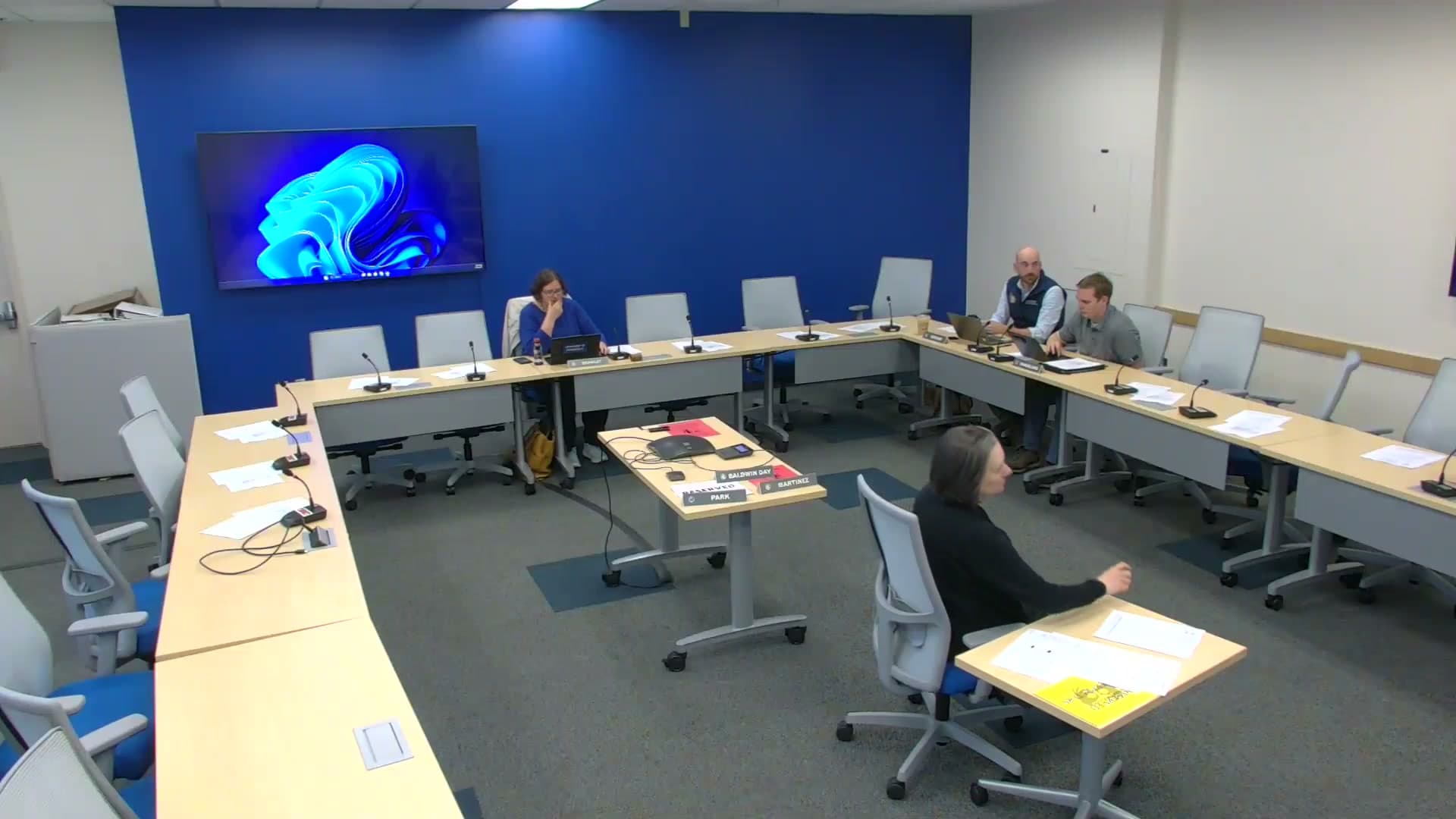
Ona Brause
25:27 - 26:21
“the fire department's everyday operations function with a very high number of OT hours. And that number that is currently in the budget, to my understanding and the calculations that I have seen, is the number of OT hours that they work regular shifts plus a little tiny cushion. But because the wages have changed over a number of years and the allocation of those overtime hours, either through secondary callouts where we're assisting the state or the feds for other problems that they may have, and we send firefighters that way and we backfill with OT.”
- Speaker
- Ona Brause
- Timestamp
- 25:27 – 26:21
- Community
- Alaska News
- Location
- Anchorage
- Captured at
- July 16, 2026
From the transcript
Which means that the fire department's everyday operations function with a very high number of OT hours. And that number that is currently in the budget, to my understanding and the calculations that I have seen, is the number of OT hours that they work regular shifts plus a little tiny cushion. But because the wages have changed over a number of years and the allocation of those overtime hours, either through secondary callouts where we're assisting the state or the feds for other problems that they may have, and we send firefighters that way and we backfill with OT. One of the arrangements of that agreement with the state is that they also cover the cost of those OT hours. So not only do they cover the cost of borrowing the firefighter, they cover the cost of the OT hour to backfill.
Related Coverage
Anchorage police and fire overtime budgets built on 2010 math, OMB says
Anchorage police and fire overtime budgets are running millions over approved limits because the city has not updated the math since roughly 2010, OMB told the Assembly on Thursday.