Olaf Jensen
162:35 - 163:17
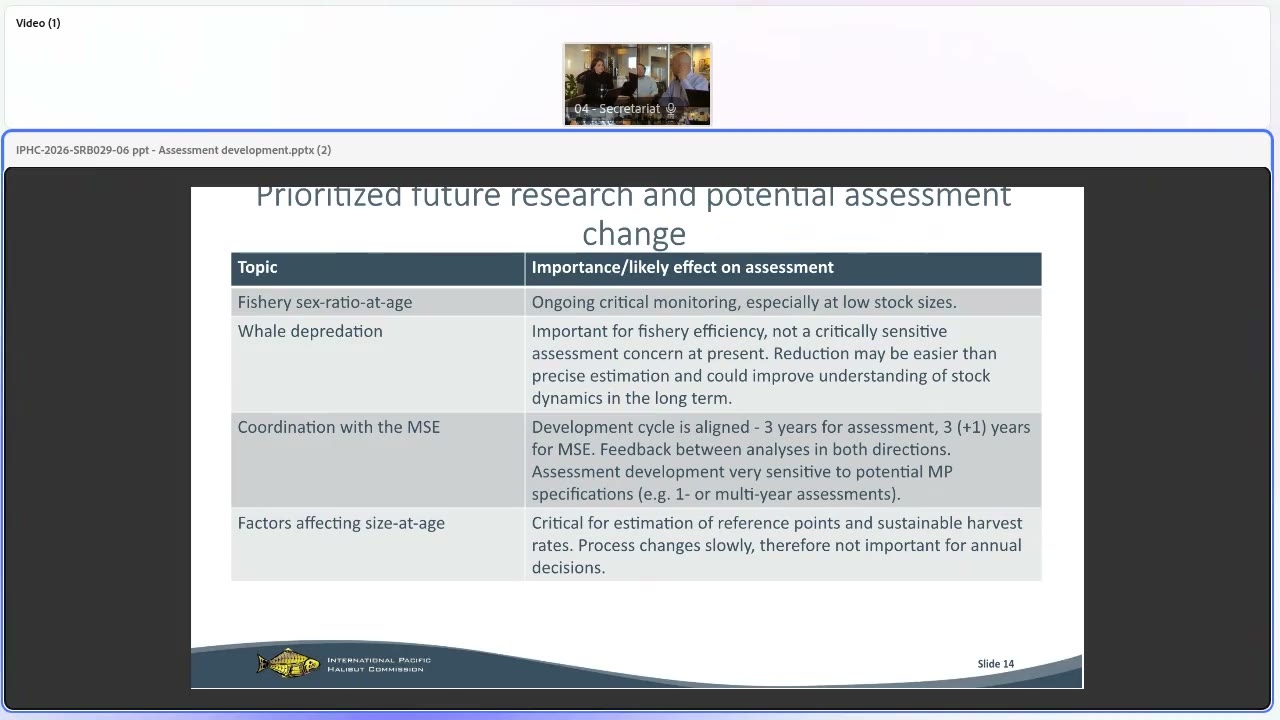
"And it's also anecdotally, it's this brand new problem that's just come up in in the last couple decades, but I mean, Claude, you found records that go back to the 1950s documenting oil depredation. So it's a hard one."
“And it's also anecdotally, it's this brand new problem that's just come up in in the last couple decades, but I mean, Claude, you found records that go back to the 1950s documenting oil depredation. So it's a hard one.”
- Speaker
- Olaf Jensen
- Timestamp
- 162:35 – 163:17
- Community
- Alaska News
- Captured at
- September 22, 2026
From the transcript
And it's also anecdotally, it's this brand new problem that's just come up in in the last couple decades, but I mean, Claude, you found records that go back to the 1950s documenting oil depredation. So it's a hard one. Yeah, this is a hard one. I mean, the issues like this where science says it doesn't matter, or there's no trend, but the perception is that it's a big issue. I mean, I think we have to step carefully there because it can lead to sort of lack of confidence in the science when there's this observation out there on the water that's not being captured in the assessment.
Related Coverage
Halibut scientists report whale losses and a shift in when females mature
Halibut managers heard that killer whales make some Bering Sea grounds unfishable and that female halibut are maturing younger than previously estimated.
 by Bill AlaskaNews3w ago2 min read