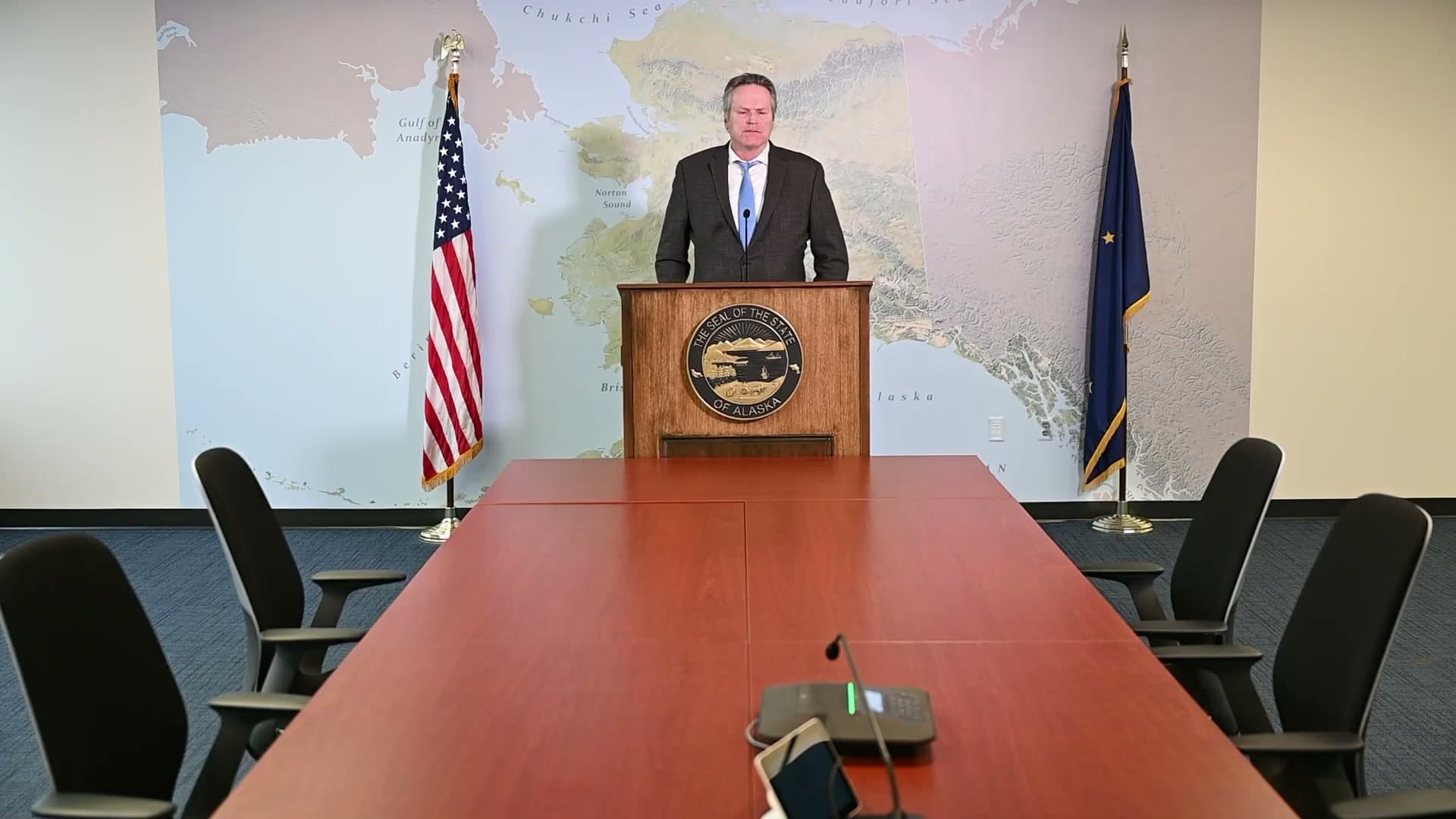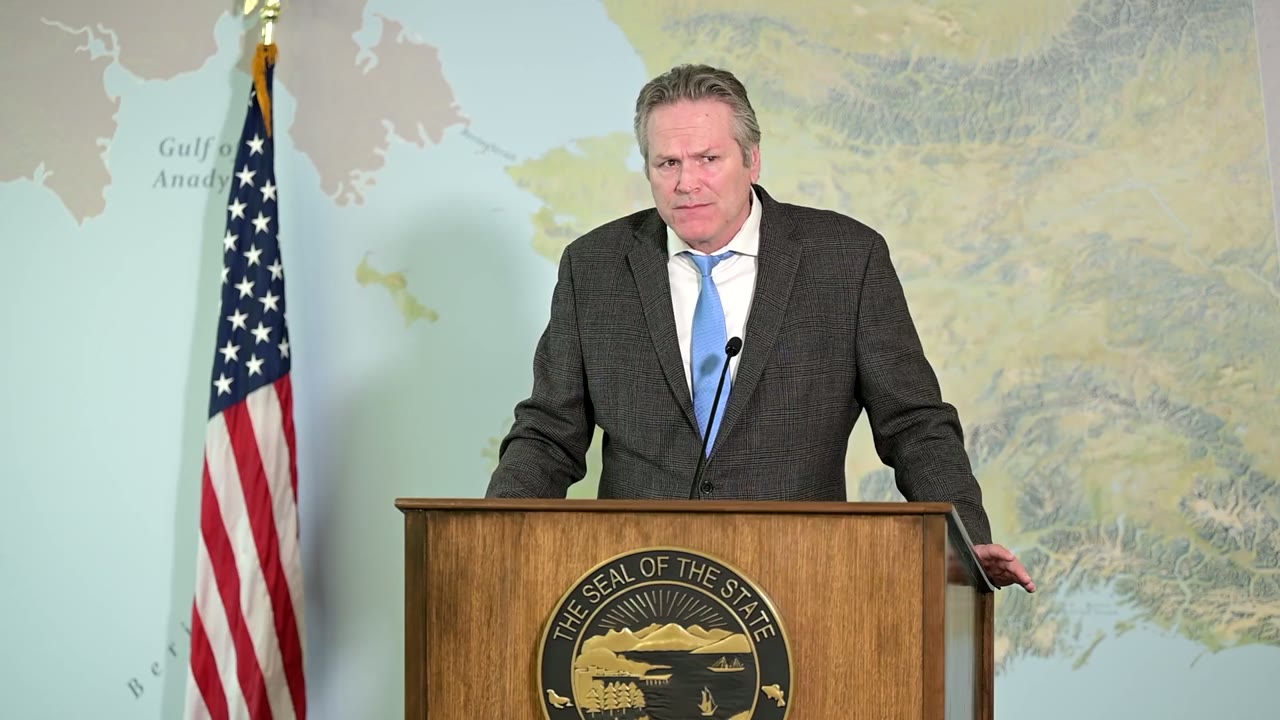
Mike Dunleavy
10:10 - 10:35
"You might go from $10 a unit gas in the lower 48 or Canada quickly to 12, 14, 15, 16, $18 gas. And what does that mean? You're looking at 35 to 45 cents a kilowatt hour five to 10 years from now on the rail belt, especially in places like Fairbanks, Alaska."
“You might go from $10 a unit gas in the lower 48 or Canada quickly to 12, 14, 15, 16, $18 gas. And what does that mean? You're looking at 35 to 45 cents a kilowatt hour five to 10 years from now on the rail belt, especially in places like Fairbanks, Alaska.”
- Speaker
- Mike Dunleavy
- Timestamp
- 10:10 – 10:35
- Community
- Alaska News
- Location
- Alaska
- Captured at
- May 8, 2026
From the transcript
You might go from $10 a unit gas in the lower 48 or Canada quickly to 12, 14, 15, 16, $18 gas. And what does that mean? You're looking at 35 to 45 cents a kilowatt hour five to 10 years from now on the rail belt, especially in places like Fairbanks, Alaska. That makes the state uncompetitive. That makes it non competitive for people that want to move here.
Related Coverage
Dunleavy warns of 45-cent power without gas-line tax deal
Governor Dunleavy says Alaska faces electricity costs of 35 to 45 cents per kilowatt hour within five to 10 years without legislative action on a tax bill to finance the North Slope gas pipeline. He warns that rates above 10 cents per thousand cubic feet will make the $40 billion Alaska LNG Project unfinanceable.
 by Alaska Newsadded 3mo ago3 min read
Alaska raises rural power subsidy floor, cutting support $3M
The Regulatory Commission of Alaska raised the Power Cost Equalization base rate from 20.38 to 22.11 cents per kilowatt-hour on May 1, cutting support for rural communities by roughly $3 million as Railbelt utility costs climb.
by Alaska Newsadded 3mo ago2 min read