Adam Prestidge
139:31 - 140:17
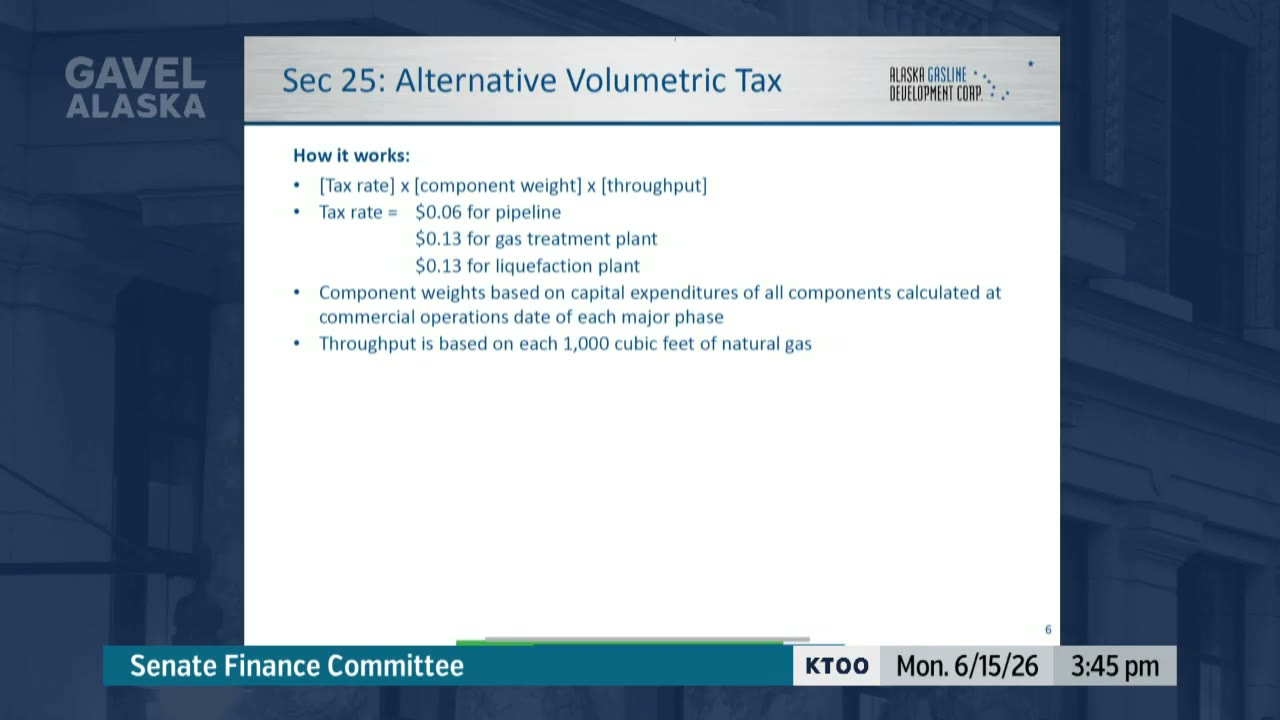
"this tax structure, the alternative volumetric tax, has the benefit of creating alignment. And so the more, the more gas that flows on the pipeline, the greater the revenue to, to the state. The more gas that flows on the pipeline, the lower the cost of gas to the ratepayers."
“this tax structure, the alternative volumetric tax, has the benefit of creating alignment. And so the more, the more gas that flows on the pipeline, the greater the revenue to, to the state. The more gas that flows on the pipeline, the lower the cost of gas to the ratepayers.”
- Speaker
- Adam Prestidge
- Timestamp
- 139:31 – 140:17
- Community
- Alaska News
- Location
- Alaska
- Captured at
- June 15, 2026
From the transcript
The other thing that I want to highlight is that this tax structure, the alternative volumetric tax, has the benefit of creating alignment. And so the more, the more gas that flows on the pipeline, the greater the revenue to, to the state. The more gas that flows on the pipeline, the lower the cost of gas to the ratepayers. And structuring this way incentivizes essentially a greater use of of the facility, of the pipeline itself. The last point that I'll make, a bit of a response to one of the points that was raised in the Department of Revenue's presentation, the financial structure of House Bill 381 is very carefully constructed.
Related Coverage
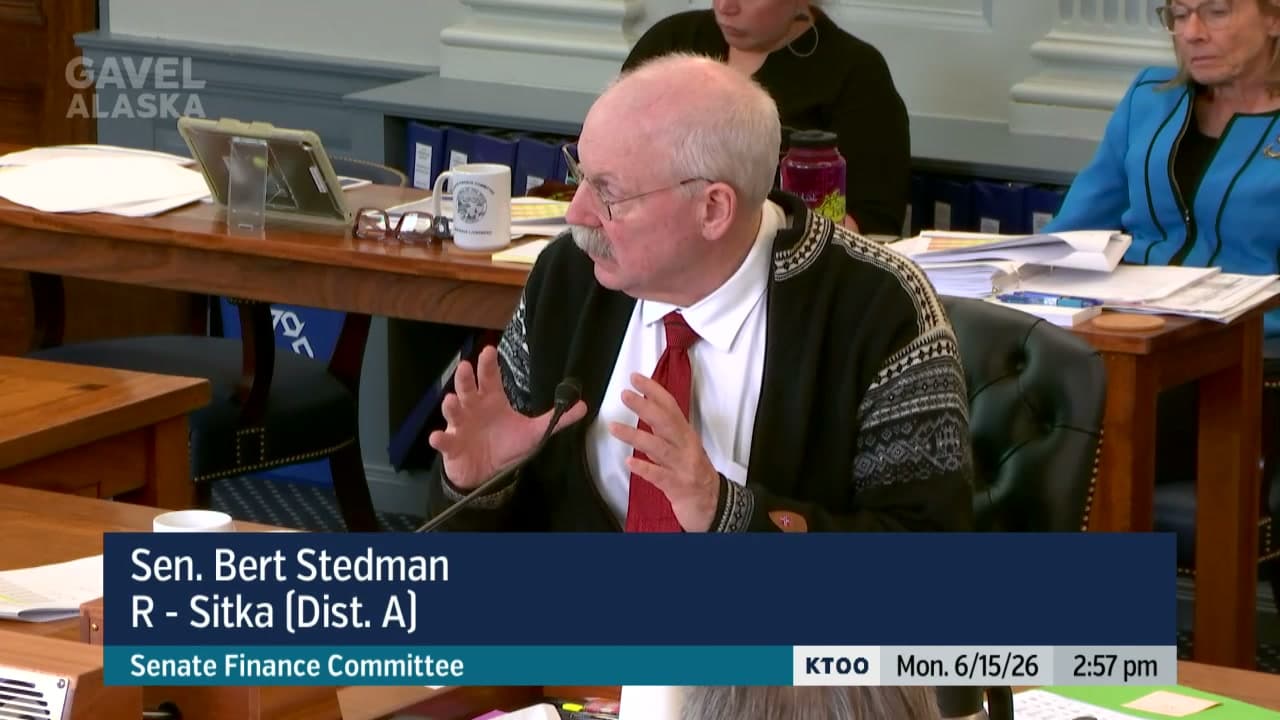
Senate Finance demands Phase 1 pipeline math before Alaska LNG tax vote
Senator Bert Stedman pressed the Alaska Senate Finance Committee to obtain standalone Phase 1 pipeline economics before acting on Alaska LNG tax relief. The special session ends in four days.
 by Walter AlaskaNews3mo ago2 min readAI