Jennifer Springman
107:28 - 108:10
"agencies are talking a lot more now than they used to, but one gap is that there isn't a single government-wide system where all of the documents are being housed. So, for example, if someone discloses information to NASA, an NSF program officer doesn't have the ability to see that automatically unless they reach out to NASA to ask it."
“agencies are talking a lot more now than they used to, but one gap is that there isn't a single government-wide system where all of the documents are being housed. So, for example, if someone discloses information to NASA, an NSF program officer doesn't have the ability to see that automatically unless they reach out to NASA to ask it.”
- Speaker
- Jennifer Springman
- Timestamp
- 107:28 – 108:10
- Community
- Alaska News
- Captured at
- June 24, 2026
From the transcript
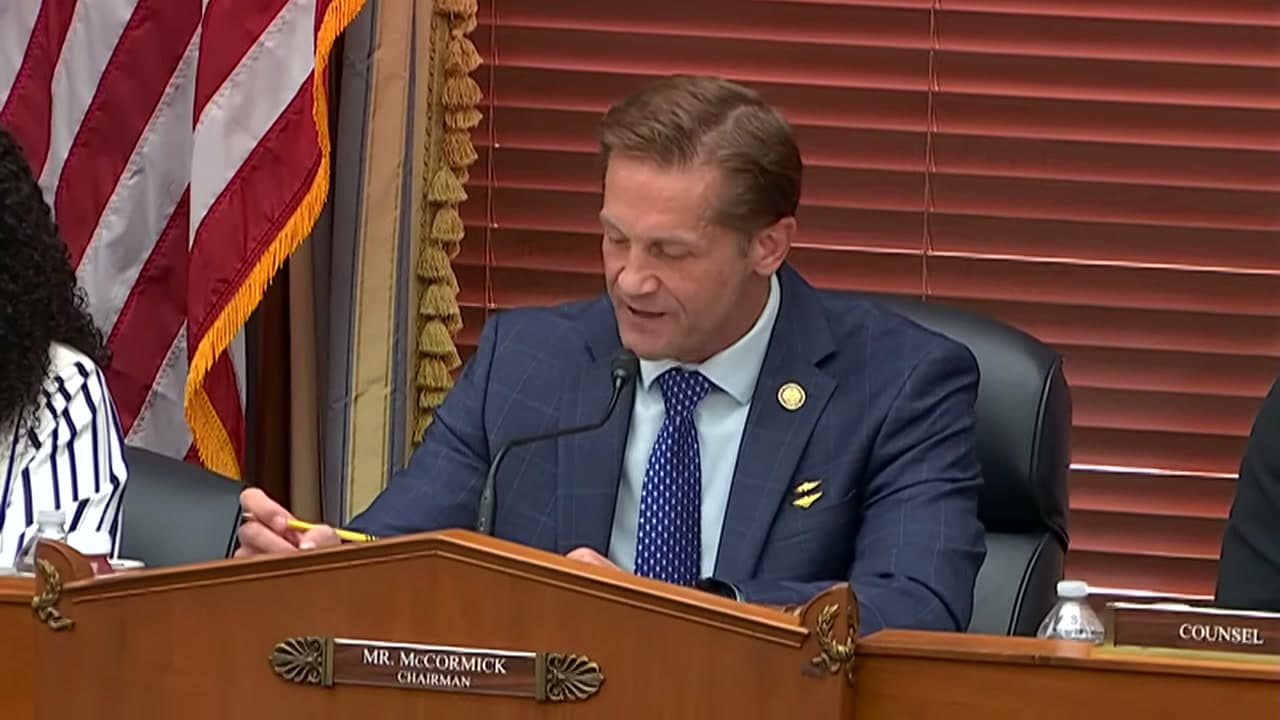
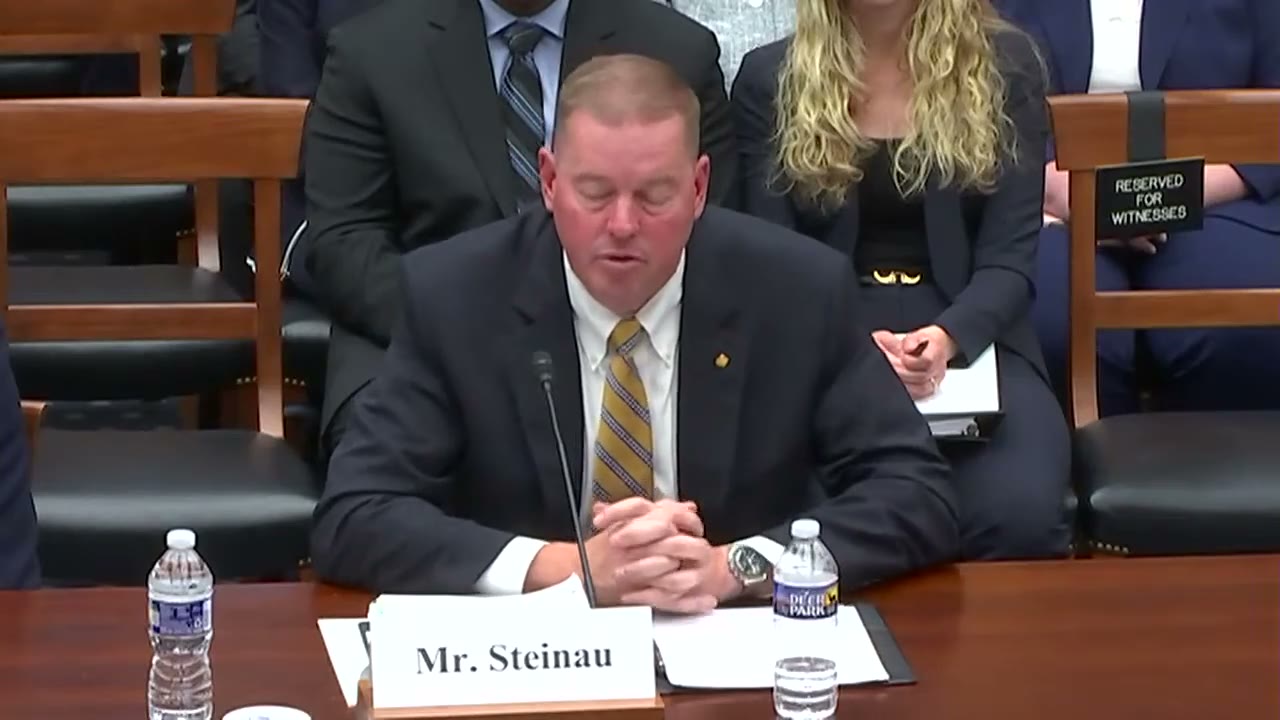
Imagine that, having something that's actually proactive in government rather than reactive and actually solving the problem before it becomes something that's a security risk. That's a great thing to do. Ms. Springman, do federal agencies currently share information effectively sufficiently enough to deter— sorry, detect researchers who fail to disclose foreign support across multiple grants and agencies? What we are seeing is that agencies are talking a lot more now than they used to, but one gap is that there isn't a single government-wide system where all of the documents are being housed. So, for example, if someone discloses information to NASA, an NSF program officer doesn't have the ability ability to see that automatically unless they reach out to NASA to ask it.
Related Coverage
A record year for federal research-fraud enforcement — and Alaska's stake in it
University of Alaska draws $184.6M in federal research money as the False Claims Act hits record recoveries; Rep. Nick Begich sits on the House panel probing research fraud.
 by Melinda Communities.News3mo ago3 min read