Renaud Chandivert
43:26 - 44:08
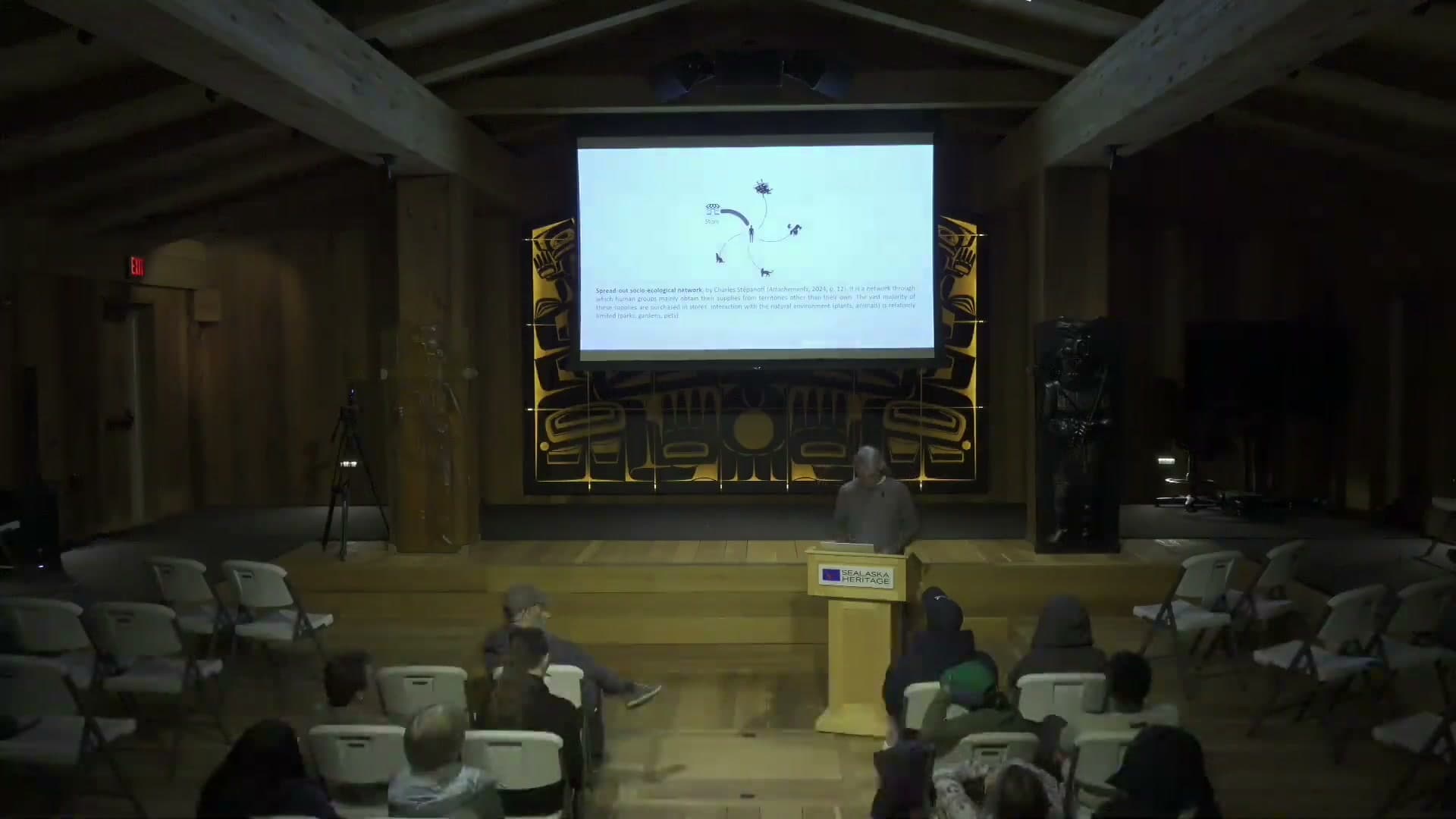
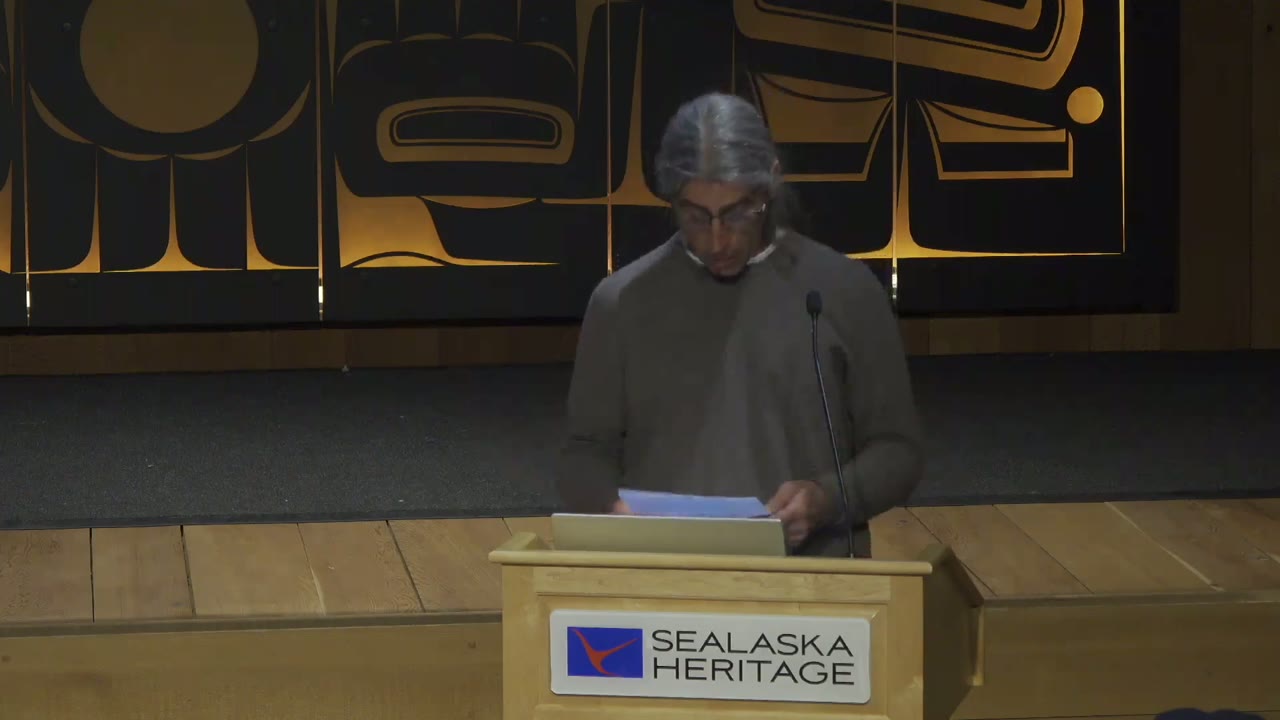
"When elders in Huna are offered, offered goose eggs from Glacier Bay, the most important thing is not the protein in the yolk. It is the fact that these goose eggs provide spiritual and cultural nourishment. As this example shows, one of the most important means to create multi-fiber connections through traditional foodways networks is sharing."
“When elders in Huna are offered, offered goose eggs from Glacier Bay, the most important thing is not the protein in the yolk. It is the fact that these goose eggs provide spiritual and cultural nourishment. As this example shows, one of the most important means to create multi-fiber connections through traditional foodways networks is sharing.”
- Speaker
- Renaud Chandivert
- Timestamp
- 43:26 – 44:08
- Community
- Alaska News
- Location
- Juneau
- Captured at
- July 1, 2026
From the transcript
In spread-out networks, food can have a solely metabolic dimension— provide proteins to the body. It is not the case with traditional food waste networks, which always embody multi-fibers, dimensions, and connections. When elders in Huna are offered, offered goose eggs from Glacier Bay, the most important thing is not the protein in the yolk. It is the fact that these goose eggs provide spiritual and cultural nourishment. As this example shows, one of the most important means to create multi-fiber connections through traditional foodways networks is sharing.
Related Coverage
French anthropologist reframes Tlingit foodways as living relational system, not subsistence
Renaud Chandivert of Université Paul-Valéry Montpellier III lectured at Sealaska Heritage Institute in Juneau, arguing that Tlingit traditional foodways form a multidimensional 'archipelago of connections' that federal subsistence law cannot adequately describe or protect.
 by Bill AlaskaNews3mo ago2 min read