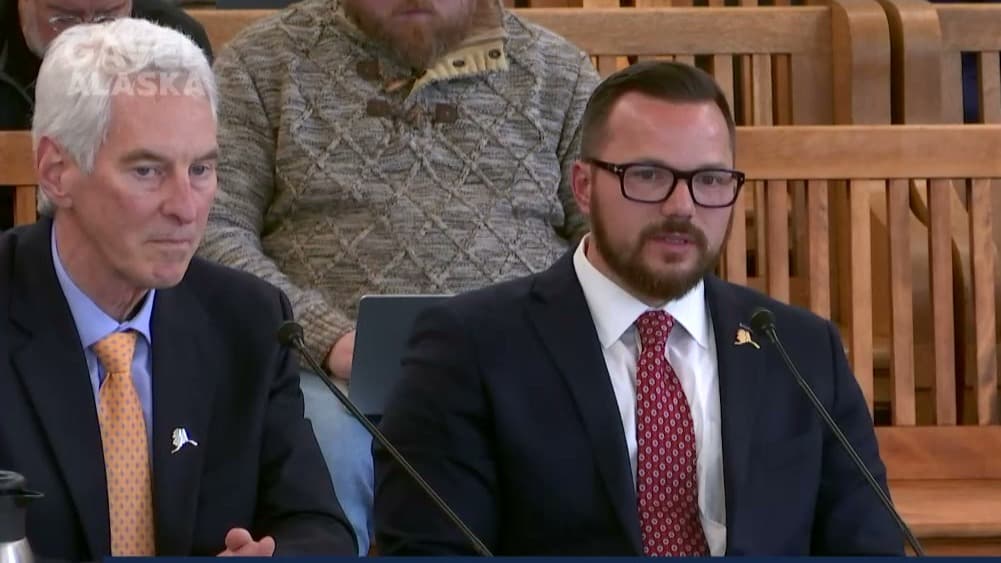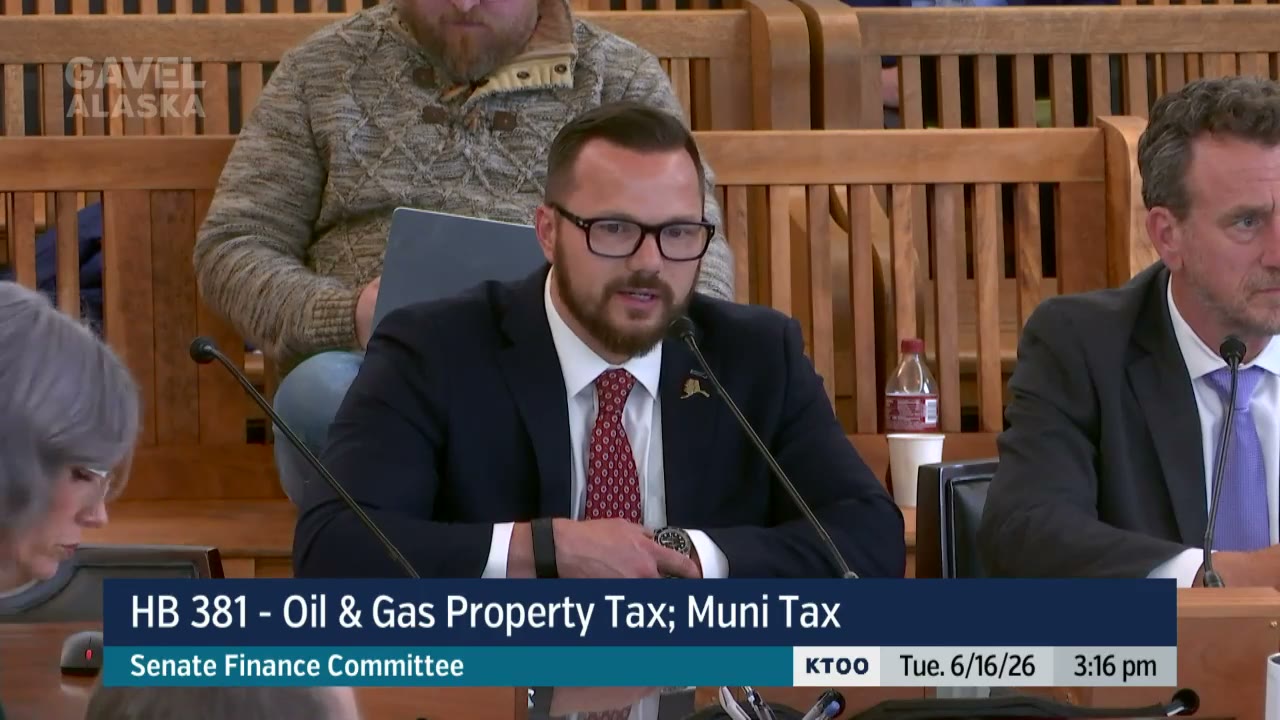
Adam Prestidge
110:30 - 111:35
"the developer would initiate a tariff proceeding with the Regulatory Commission of Alaska and file for, as has been discussed, a system-wide tariff treatment that would allow the cost of the Fairbanks spur line to be spread across to other customers. the cost of the Fairbanks Spur Line would be spread across other gas buyers from the domestic pipeline."
“the developer would initiate a tariff proceeding with the Regulatory Commission of Alaska and file for, as has been discussed, a system-wide tariff treatment that would allow the cost of the Fairbanks spur line to be spread across to other customers. the cost of the Fairbanks Spur Line would be spread across other gas buyers from the domestic pipeline.”
- Speaker
- Adam Prestidge
- Timestamp
- 110:30 – 111:35
- Community
- Alaska News
- Location
- Juneau
- Captured at
- June 16, 2026
From the transcript
So that was a condition that was carefully worked on with the Interior delegation, recognizing nobody wants to put the entire project at risk over this— [FOREIGN LANGUAGE] to the spur line. The second is that the developer would initiate a tariff proceeding with the Regulatory Commission of Alaska and file for, as has been discussed, a system-wide tariff treatment that would allow the cost of the Fairbanks spur line to be spread across to other customers. And just taking a step back, kind of the concept there is that the cost of the Fairbanks Spur Line would be spread across other gas buyers from the domestic pipeline. There is a technical amendment that we think would be the right thing to make in this bill, which would be to remove the portion of the language that says that the cost would be spread to export consumers also. I take note that in the prior presentation, the regulatory commission explained the concept that the causers of the cost should bear the cost.
Related Coverage
Senate Finance presses Alaska LNG spur line: who builds, who pays, who regulates
The Alaska Senate Finance Committee on Tuesday heard unresolved questions about who will build, own, and regulate a proposed Fairbanks natural gas spur line, how its cost should be spread across ratepayers, and whether HB 381's spur commitment is firm enough to guarantee construction.
 by Walter AlaskaNews3mo ago3 min readAI