Renaud Chandivert
6:53 - 7:39
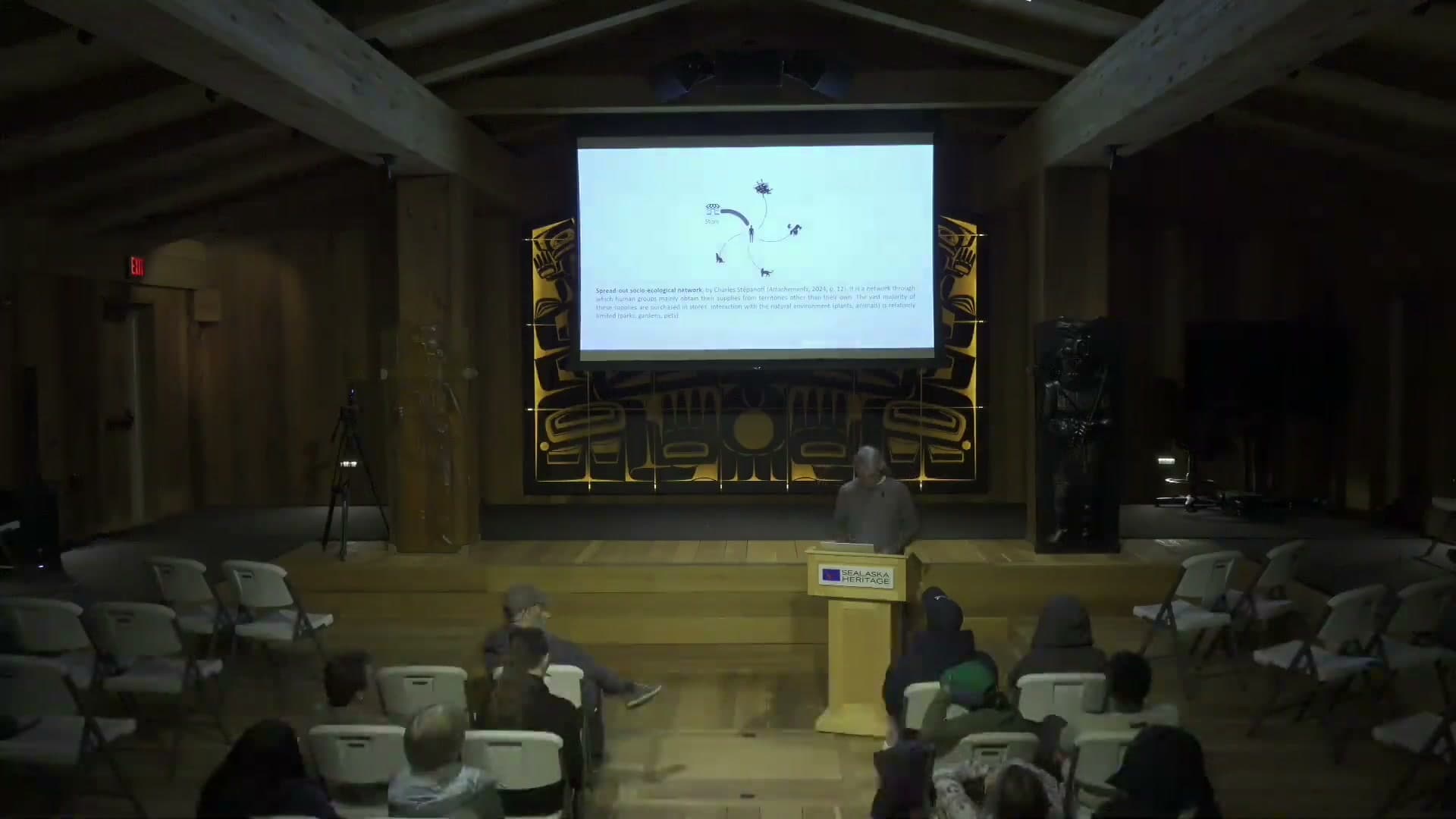
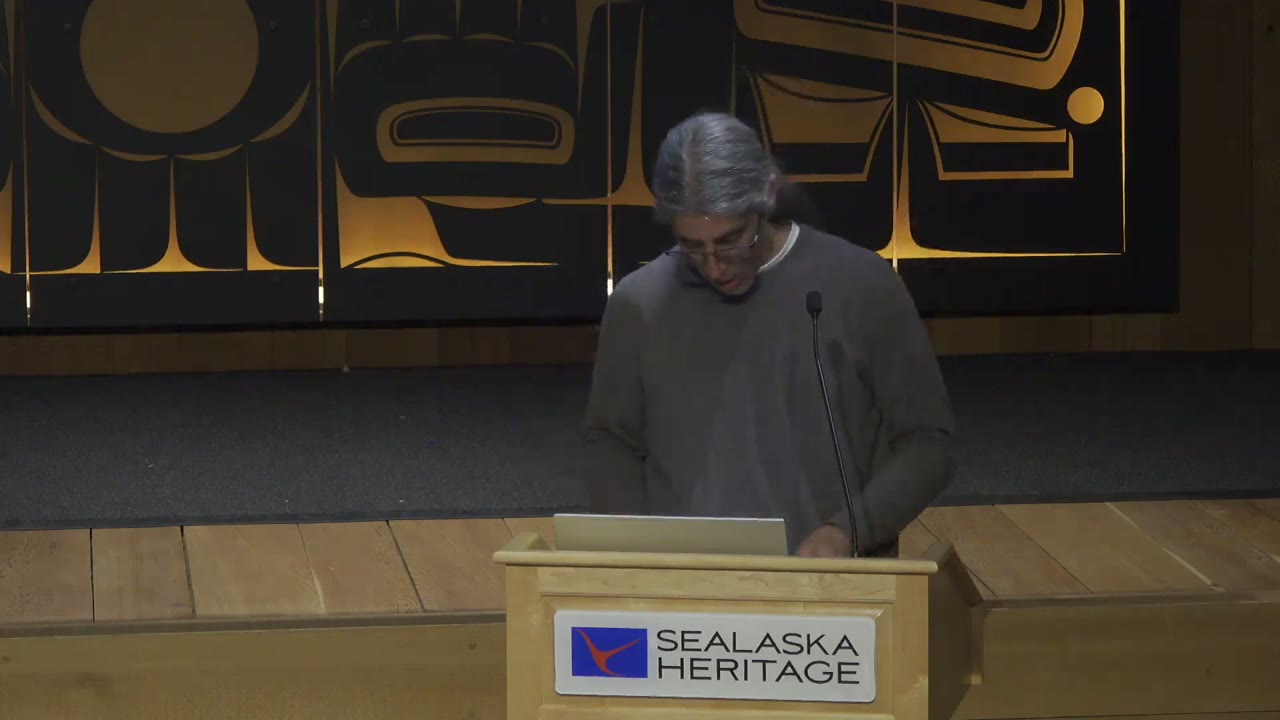
"Native traditional foodways are under pressure nowadays Federal and state regulation, climate deregulation, competition with the commercial sector, and with also sport hunting and fishing, evolution of ways of life, which is something which is normal, you know, all have a negative impact on traditional foodways. Even so, natives really care about these traditional foods. They say that it's good for you, that it's healthy, and that it's healing too."
“Native traditional foodways are under pressure nowadays Federal and state regulation, climate deregulation, competition with the commercial sector, and with also sport hunting and fishing, evolution of ways of life, which is something which is normal, you know, all have a negative impact on traditional foodways. Even so, natives really care about these traditional foods. They say that it's good for you, that it's healthy, and that it's healing too.”
- Speaker
- Renaud Chandivert
- Timestamp
- 6:53 – 7:39
- Community
- Alaska News
- Location
- Juneau
- Captured at
- July 1, 2026
From the transcript
And they are deeply engaged in their perpetuations as part of a legacy and as a right inherited from their ancestors. But as we all know, unfortunately, Native traditional foodways are under pressure nowadays Federal and state regulation, climate deregulation, competition with the commercial sector, and with also sport hunting and fishing, evolution of ways of life, which is something which is normal, you know, all have a negative impact on traditional foodways. Even so, natives really care about these traditional foods. They say that it's good for you, that it's healthy, and that it's healing too. They also say that it can be used in a way that doesn't harm the environment.
Related Coverage
French anthropologist reframes Tlingit foodways as living relational system, not subsistence
Renaud Chandivert of Université Paul-Valéry Montpellier III lectured at Sealaska Heritage Institute in Juneau, arguing that Tlingit traditional foodways form a multidimensional 'archipelago of connections' that federal subsistence law cannot adequately describe or protect.
 by Bill AlaskaNews3mo ago2 min read