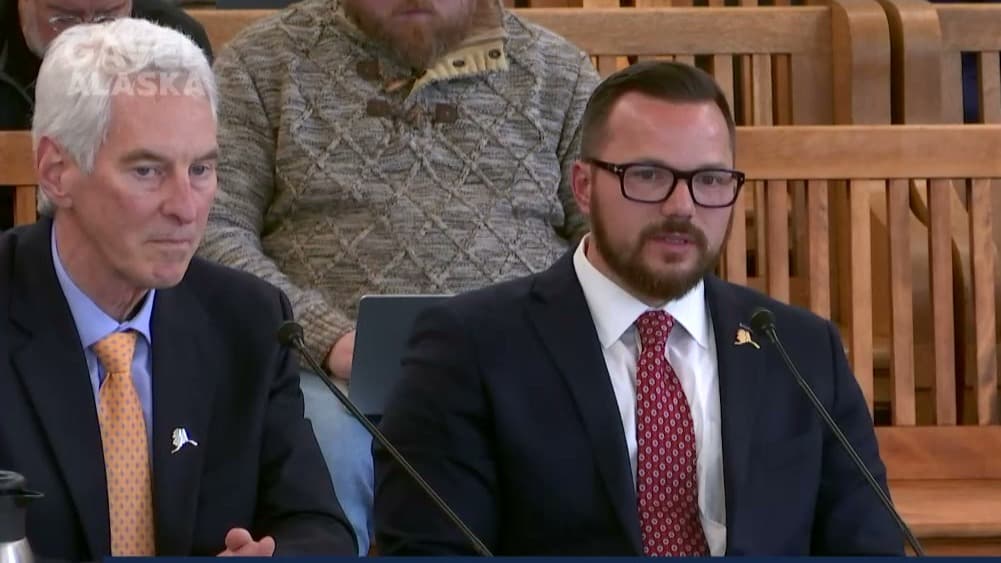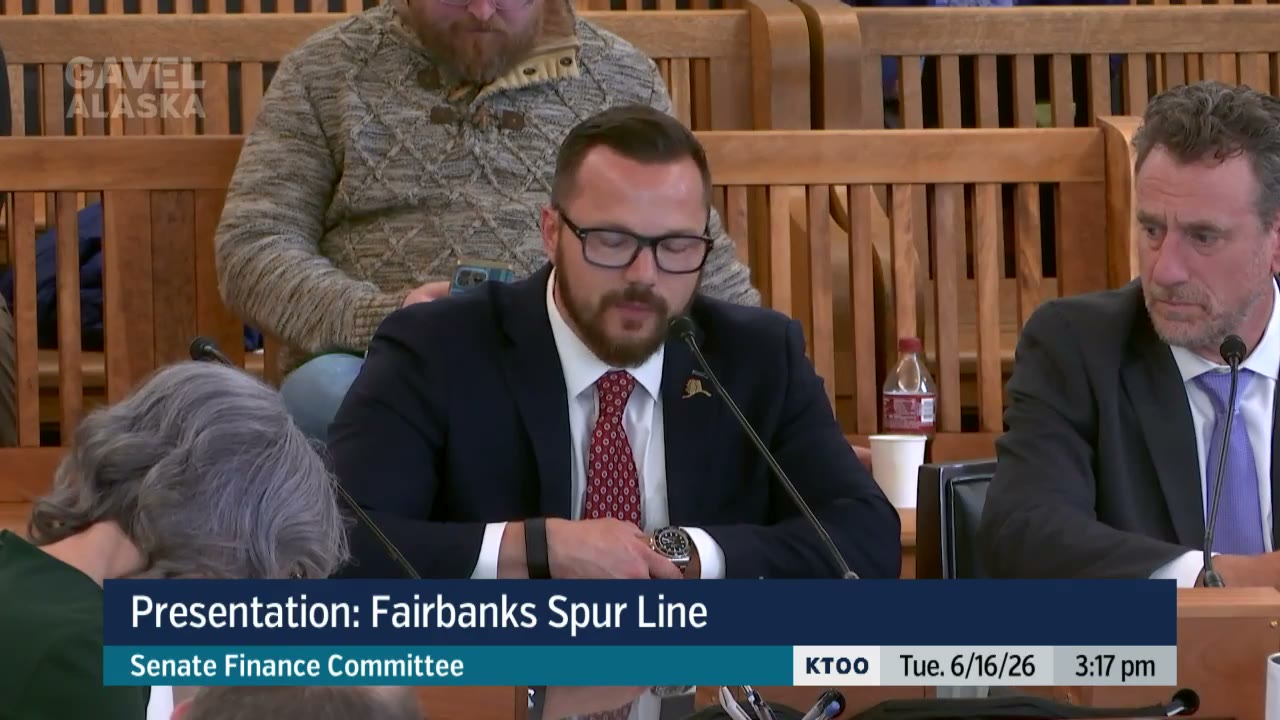
Adam Prestidge
112:02 - 112:46
"the question might come, why would we want— why would other ratepayers in Alaska be willing to accept this additional cost? And the reality is, having Fairbanks have access to gas and being a buyer and consumer of gas off the pipeline is good for everyone."
“the question might come, why would we want— why would other ratepayers in Alaska be willing to accept this additional cost? And the reality is, having Fairbanks have access to gas and being a buyer and consumer of gas off the pipeline is good for everyone.”
- Speaker
- Adam Prestidge
- Timestamp
- 112:02 – 112:46
- Community
- Alaska News
- Location
- Juneau
- Captured at
- June 16, 2026
From the transcript
At the same time, the question might come, why would we want— why would other ratepayers in Alaska be willing to accept this additional cost? And the reality is, having Fairbanks have access to gas and being a buyer and consumer of gas off the pipeline is good for everyone. And we've talked in this here, in this committee, about the ramp down in pricing as more gas flows on the pipeline. One, it produces more tax revenue, and two, it gets to those thresholds, 500 million cubic feet a day, faster to result in that price decrease. And so bringing on the Fairbanks market, the gas consumption has multiple benefits in that respect.
Related Coverage
Senate Finance presses Alaska LNG spur line: who builds, who pays, who regulates
The Alaska Senate Finance Committee on Tuesday heard unresolved questions about who will build, own, and regulate a proposed Fairbanks natural gas spur line, how its cost should be spread across ratepayers, and whether HB 381's spur commitment is firm enough to guarantee construction.
 by Walter AlaskaNews3mo ago3 min readAI