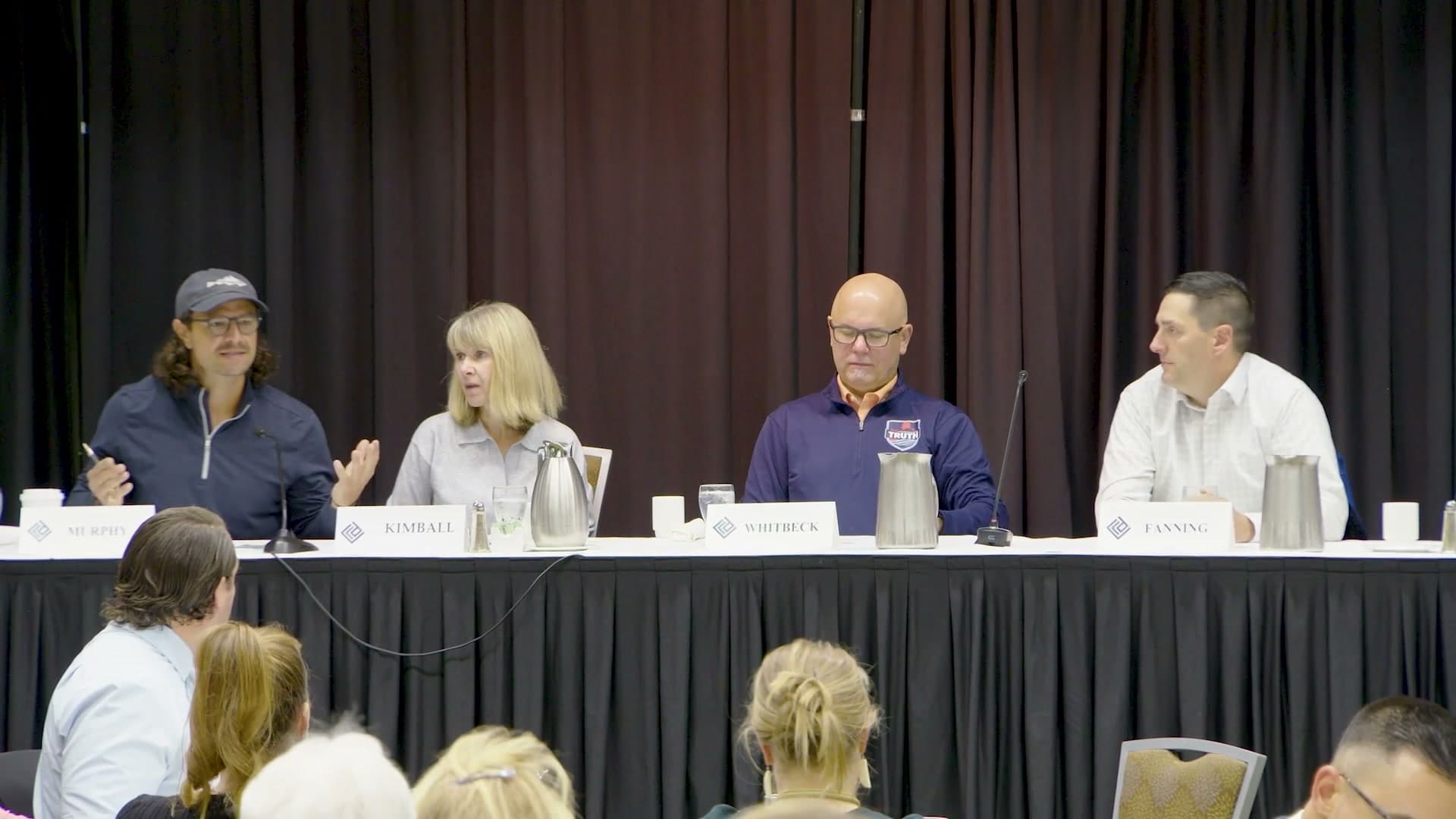
Nicole Kimball
18:25 - 18:57
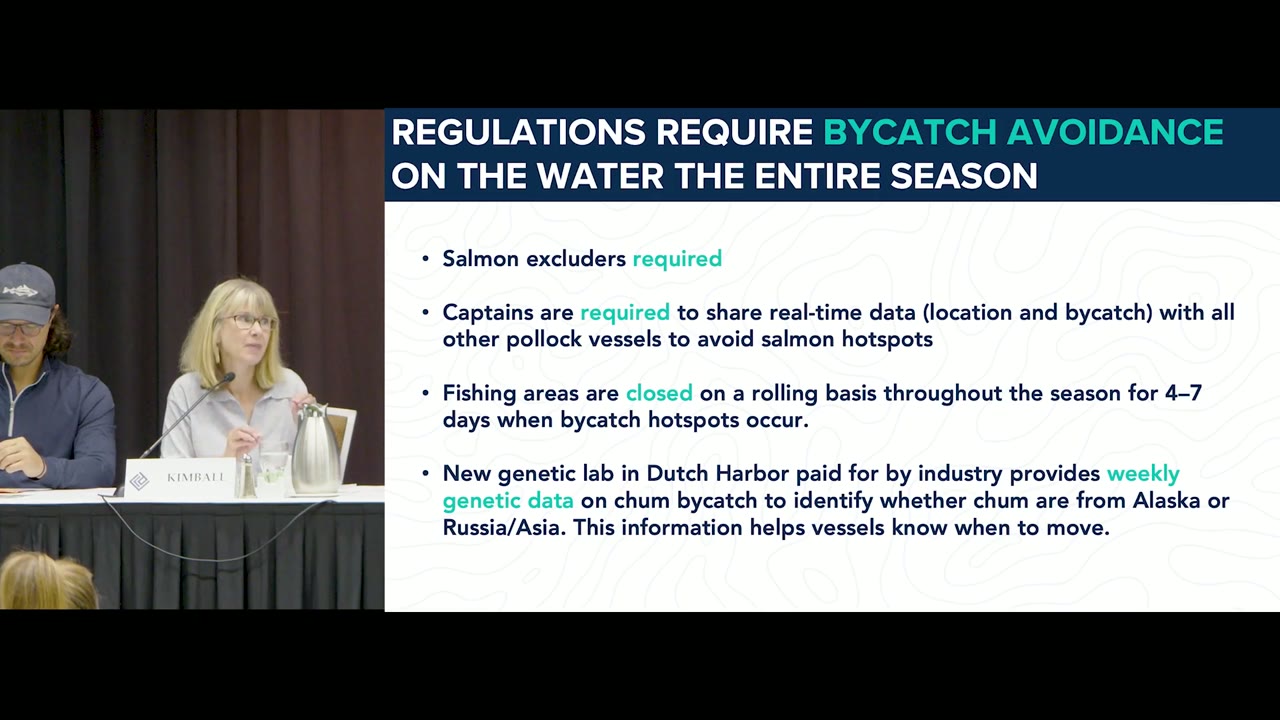
"those fishing areas, when they do see those hotspots, are closed on a rolling basis throughout the whole season. So they're closed from 4 to 7 days depending on what the hotspot looks like, how big it is, what the numbers of salmon are."
“those fishing areas, when they do see those hotspots, are closed on a rolling basis throughout the whole season. So they're closed from 4 to 7 days depending on what the hotspot looks like, how big it is, what the numbers of salmon are.”
- Speaker
- Nicole Kimball
- Timestamp
- 18:25 – 18:57
- Community
- Alaska News
- Location
- Alaska
- Captured at
- September 8, 2026
From the transcript
Salmon aren't staying in one place at one time. And so this is actually probably the most important part of the management piece is that those fishing areas, when they do see those hotspots, are closed on a rolling basis throughout the whole season. So they're closed from 4 to 7 days depending on what the hotspot looks like, how big it is, what the numbers of salmon are. But that means that you're trying to identify places and times of year to avoid throughout the entire season. Just because a fixed area closure doesn't make much sense for a salmon that moves all the time.
Related Coverage
Pollock official puts bycatch impact on Western Alaska runs at 1.9%
At an RDC breakfast forum Thursday, Nicole Kimball of the Pacific Seafood Processors Association detailed the Bering Sea pollock fleet's 100 percent monitoring, hard caps and new Dutch Harbor genetics lab. The chum caps she cited will not take effect until at least June 2028.
 by Bill AlaskaNews1mo ago2 min read