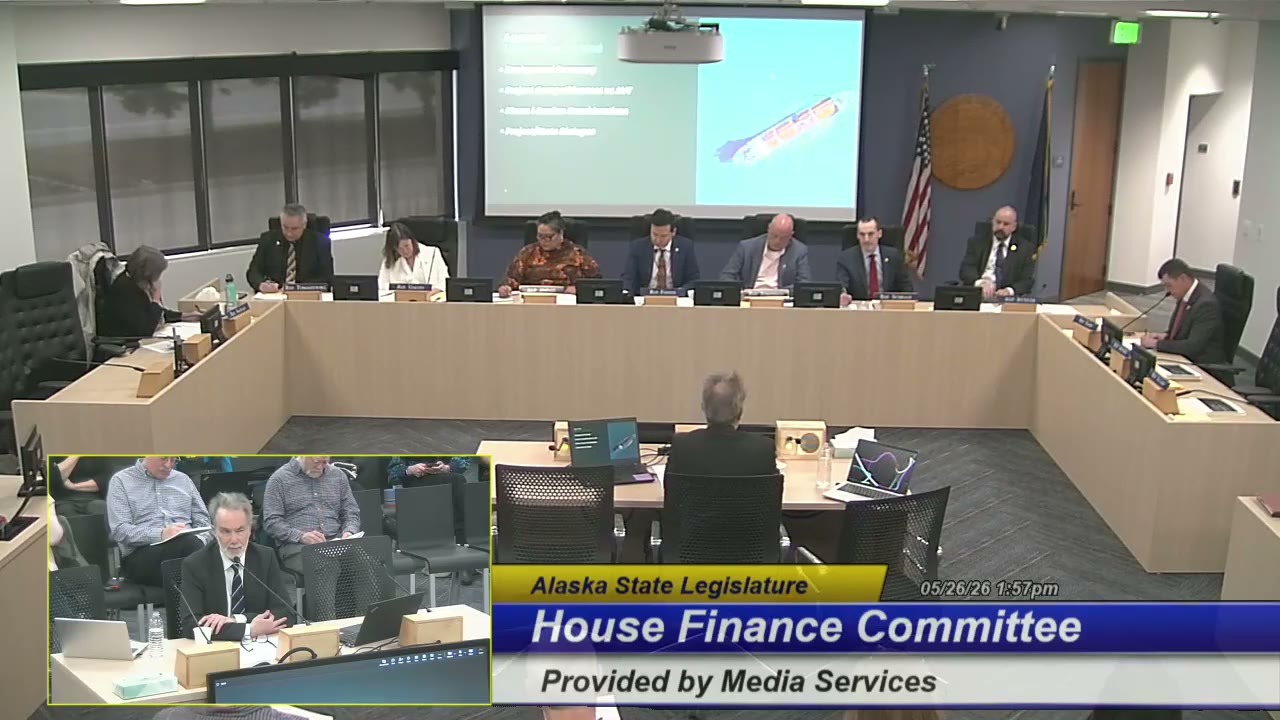
Nicholas Fulford
31:54 - 32:53
"from a fiscal stability point of view and, and being able to predict what's going to happen, you know, 5, 10, 20 years down the road, that's the other problem with property tax is that you don't really know what that tax is going to be. And as lenders and other people look at the project and they look at that degree of unpredictability, effectively they'll assign a risk to it and the cost of capital or the cost of debt will be higher and the project will be less competitive."
“from a fiscal stability point of view and, and being able to predict what's going to happen, you know, 5, 10, 20 years down the road, that's the other problem with property tax is that you don't really know what that tax is going to be. And as lenders and other people look at the project and they look at that degree of unpredictability, effectively they'll assign a risk to it and the cost of capital or the cost of debt will be higher and the project will be less competitive.”
- Speaker
- Nicholas Fulford
- Timestamp
- 31:54 – 32:53
- Community
- Alaska News
- Location
- Juneau
- Captured at
- May 26, 2026
From the transcript
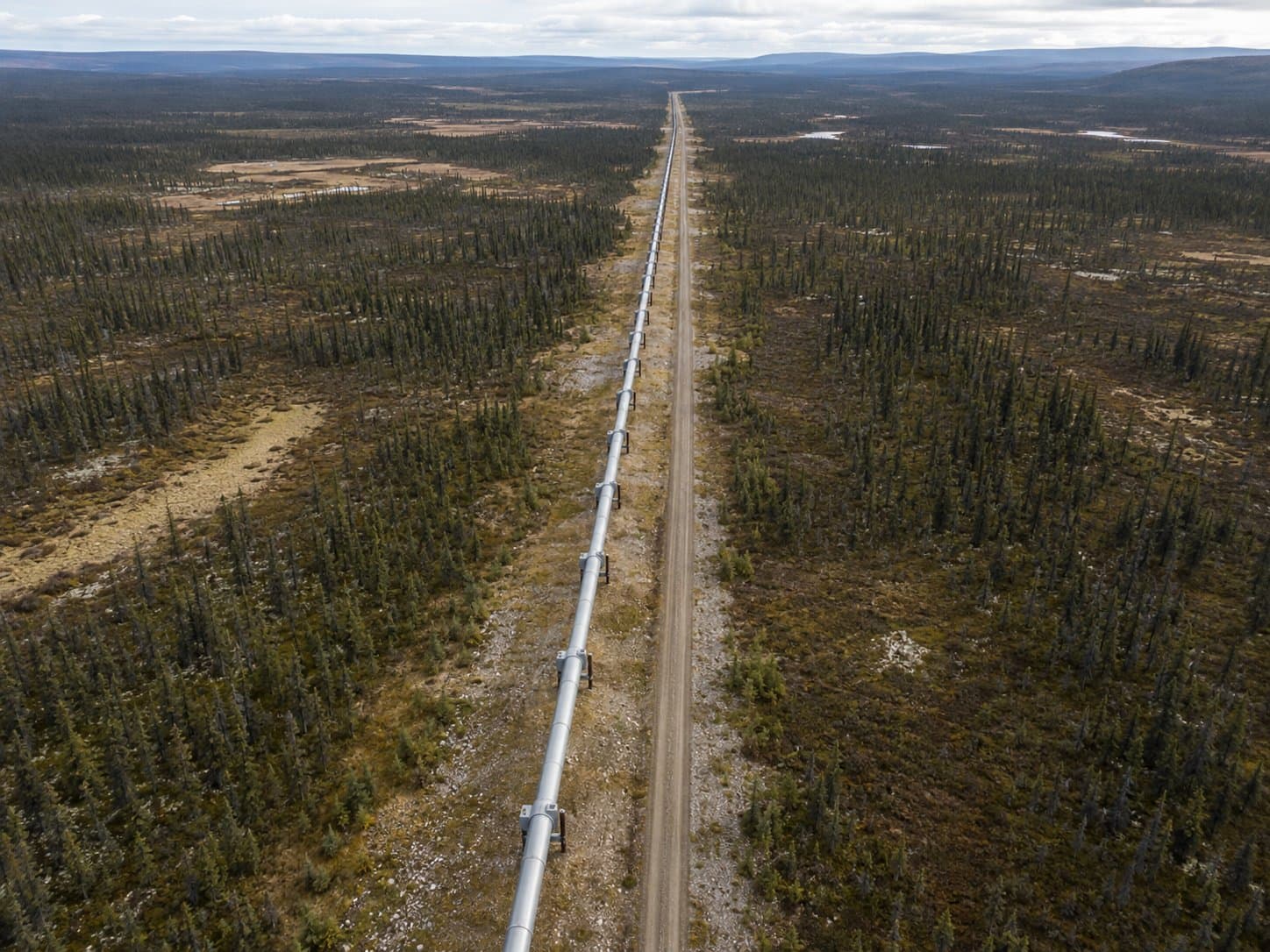
You know, the— obviously there's a very carefully written framework around property tax, but at the end of the day, taxable value and how it's determined can vary. I think we're, we're seeing that with TAPS at the moment. And so from a, from a fiscal stability point of view and, and being able to predict what's going to happen, you know, 5, 10, 20 years down the road, that's the other problem with property tax is that you don't really know what that tax is going to be. And as lenders and other people look at the project and they look at that degree of unpredictability, effectively they'll assign a risk to it and the cost of capital or the cost of debt will be higher and the project will be less competitive. So it's those three factors which mean that some kind of revision of property tax I think will be essential.
Related Coverage
Energy consultant tells House Finance that property tax makes Alaska LNG unfinanceable
House Finance Committee hears testimony on Alaska LNG property tax reform
 by Bill AlaskaNews3mo ago3 min readAI