Bert Stedman
108:51 - 109:39
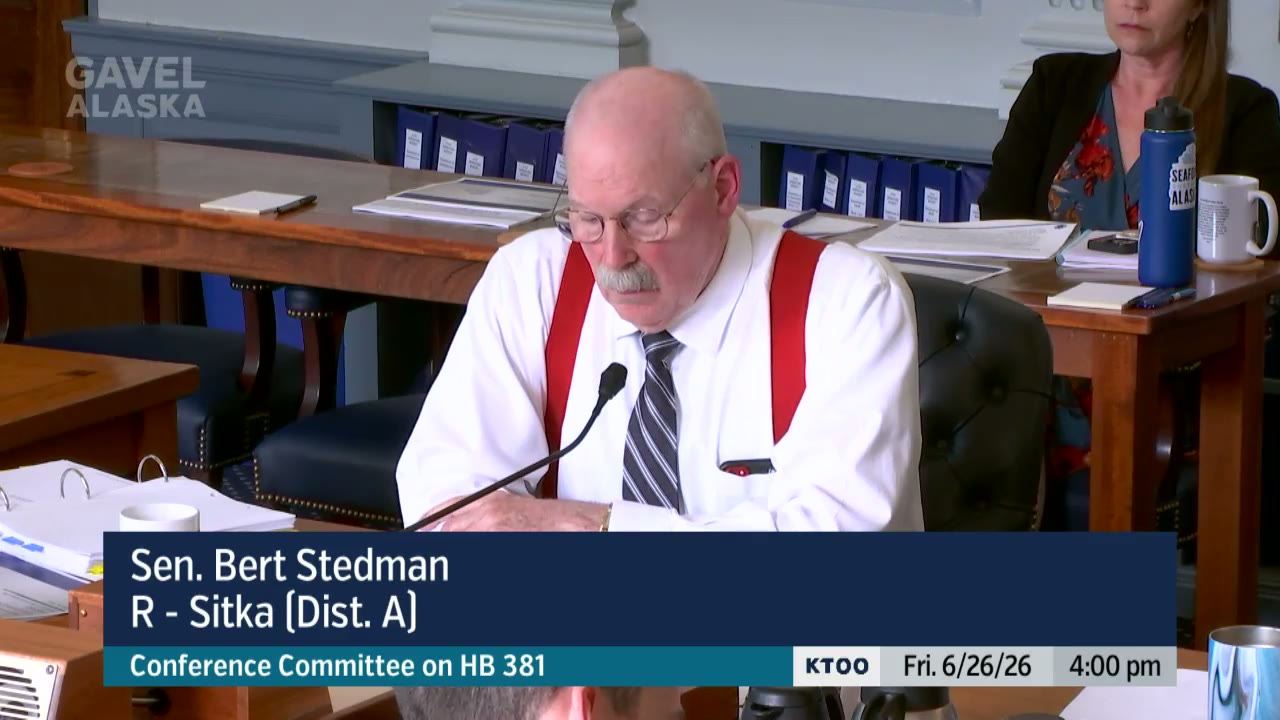
"when you look at the, at least from what I can gather on the economics of the gas line, with their interest cost and their depreciation, there's gonna be no net income, taxable net income for 2 decades. Literally, 2 decades. So I don't know how that, I guess, will wind up into a tax conversation later on the next couple of days, but you don't pay taxes unless you have a net income."
“when you look at the, at least from what I can gather on the economics of the gas line, with their interest cost and their depreciation, there's gonna be no net income, taxable net income for 2 decades. Literally, 2 decades. So I don't know how that, I guess, will wind up into a tax conversation later on the next couple of days, but you don't pay taxes unless you have a net income.”
- Speaker
- Bert Stedman
- Timestamp
- 108:51 – 109:39
- Community
- Alaska News
- Location
- Alaska
From the transcript
In a lot of the analysis. I see the 10% pre-tax and they— but when you look at the, at least from what I can gather on the economics of the gas line, with their interest cost and their depreciation, there's gonna be no net income, taxable net income for 2 decades. Literally, 2 decades. So I don't know how that, I guess, will wind up into a tax conversation later on the next couple of days, but you don't pay taxes unless you have a net income. And the depreciation, my understanding is, could be 7 years on the gas infrastructure, but you can make it 20-year straight line and it doesn't make a difference.
Related Coverage
Alaska's gas-pipeline bill now carries a tax on Hilcorp and others
The Alaska Senate added a corporate income tax on oil and gas pass-through entities like Hilcorp to the AK LNG gas-pipeline bill (HB 381), effective 2028 regardless of the project.
 by Walter AlaskaNews3mo ago3 min read
State economist: even with tax breaks, the gas line barely works
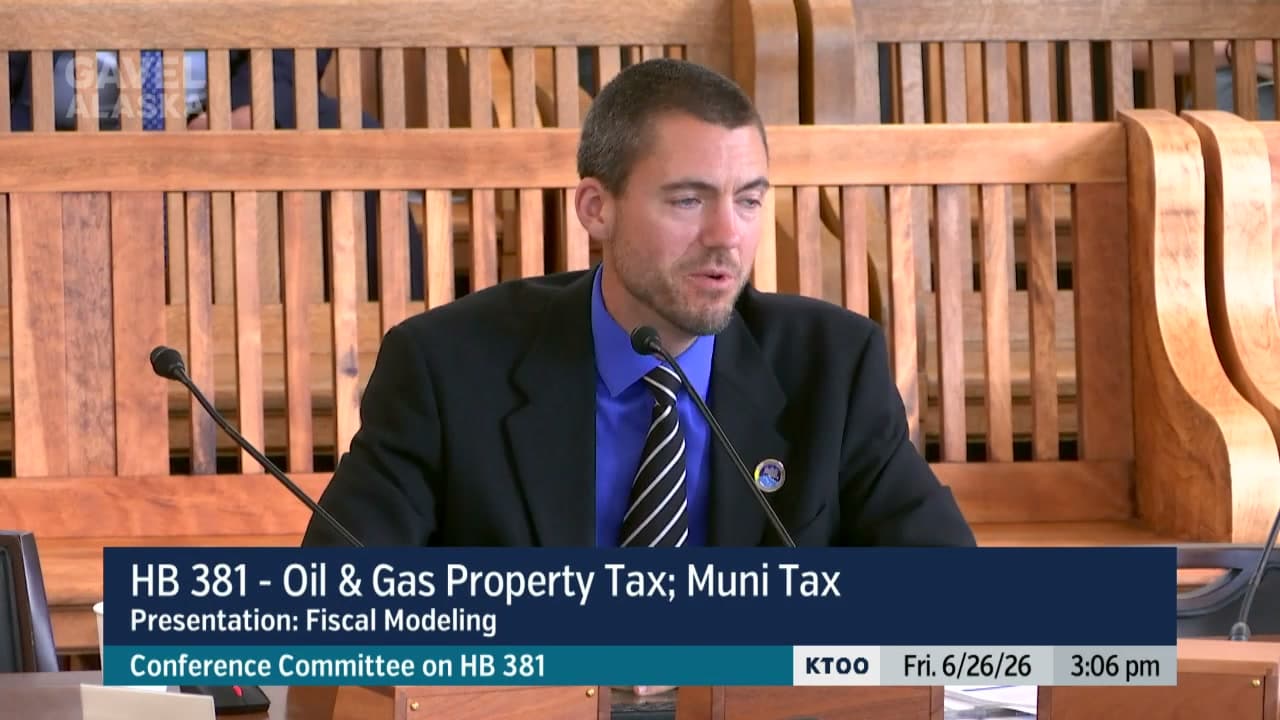
State economist Dan Stickel told a legislative conference committee Friday that the Senate version of HB 381 reduces the Alaska LNG export break-even price from $9.05 to $8.62 per thousand cubic feet — still above current futures market prices near $8 — prompting Rep. Justin Ruffridge to say the project simply "doesn't work."
by Walter AlaskaNews3mo ago2 min read