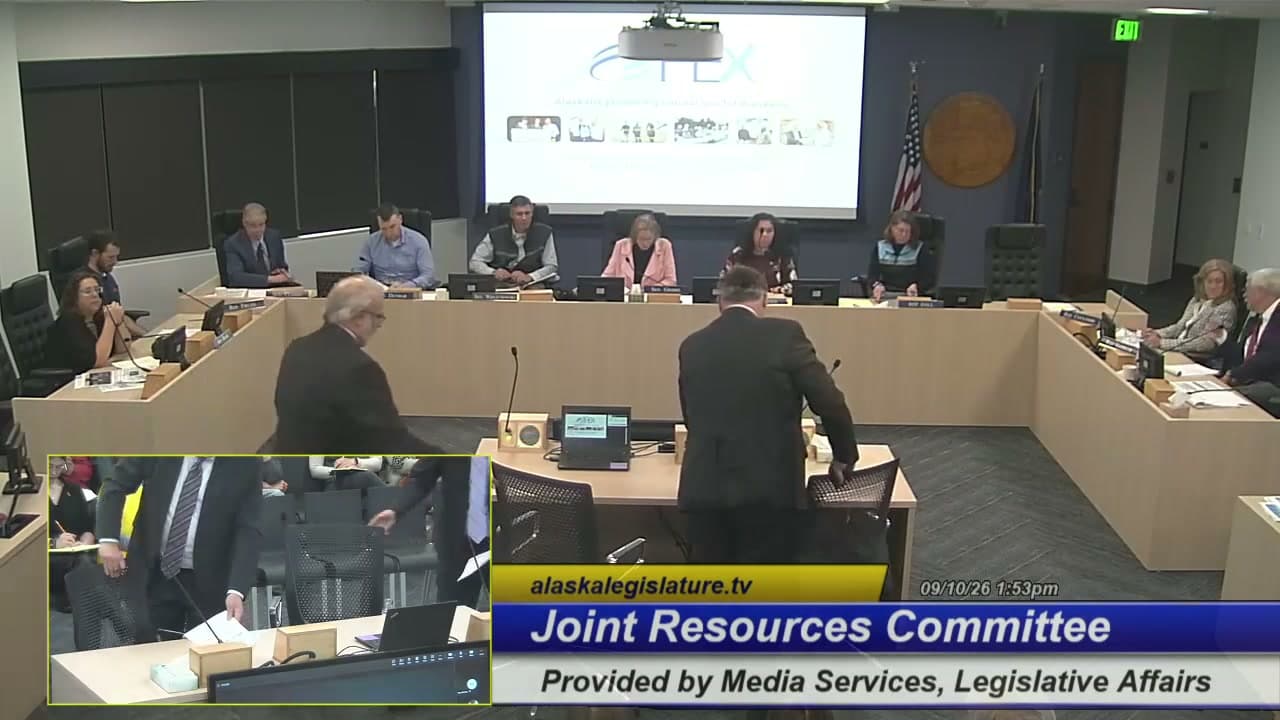
Luke Saugier
41:04 - 41:27
"That intersection of supply and demand comes in 2029. So what our model is showing is that come 2029 in the summertime, native gas production will only just be keeping up with demand, and we will enter winter 2029 with not nearly enough gas in storage to make it through the winter."
“That intersection of supply and demand comes in 2029. So what our model is showing is that come 2029 in the summertime, native gas production will only just be keeping up with demand, and we will enter winter 2029 with not nearly enough gas in storage to make it through the winter.”
- Speaker
- Luke Saugier
- Timestamp
- 41:04 – 41:27
- Community
- Alaska News
- Location
- Juneau
- Captured at
- September 10, 2026
From the transcript
And in the wintertime, we draw gas out of storage and we repeat that year after year. But as native gas production declines, eventually it is not meaningfully higher than summer demand. And we're not able— in the forecast, in the model, we're showing we're not able to put gas into storage in the summertime. That intersection of supply and demand comes in 2029. So what our model is showing is that come 2029 in the summertime, native gas production will only just be keeping up with demand, and we will enter winter 2029 with not nearly enough gas in storage to make it through the winter.
Related Coverage
Southcentral is 3 Bcf short this winter, and producers told lawmakers the gas runs out in 2029
ENSTAR has told Alaska lawmakers it is 3 billion cubic feet short of gas this winter, and the storage that could cover it is already committed to ENSTAR under a contract being renegotiated. Producers told a joint committee Cook Inlet cannot cover Southcentral demand past 2029.
 by Walter AlaskaNews1mo ago2 min read