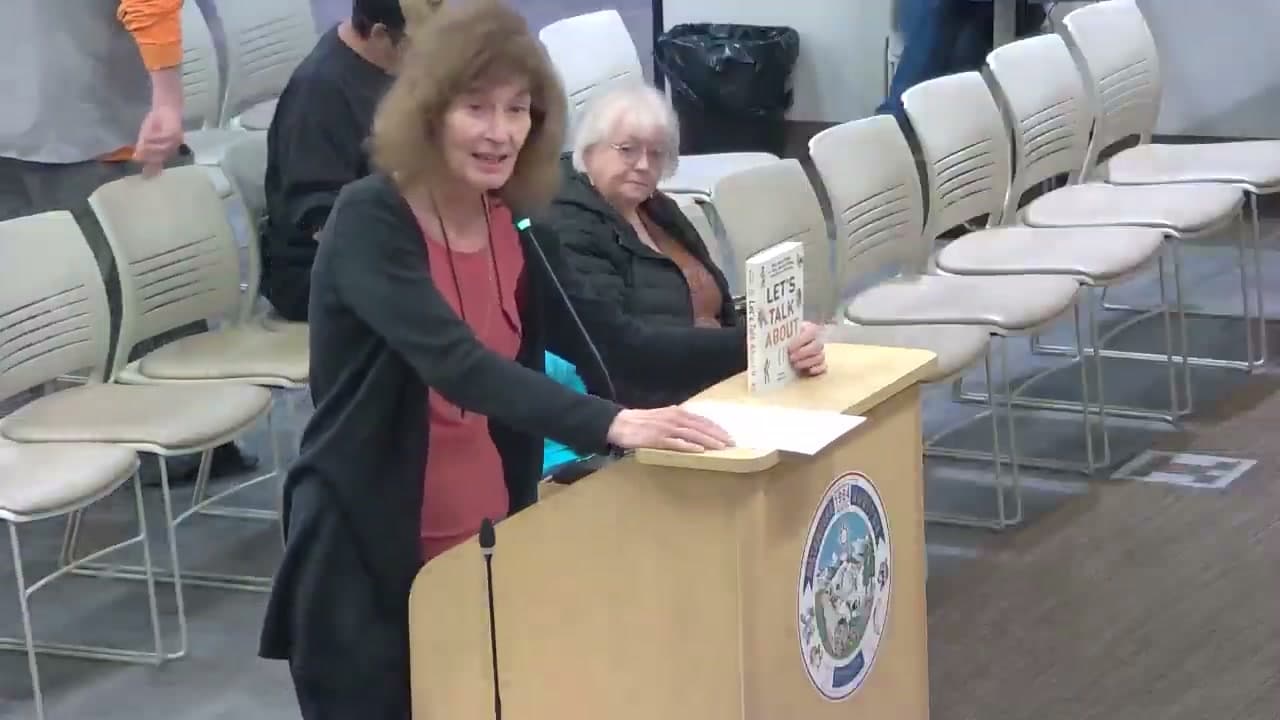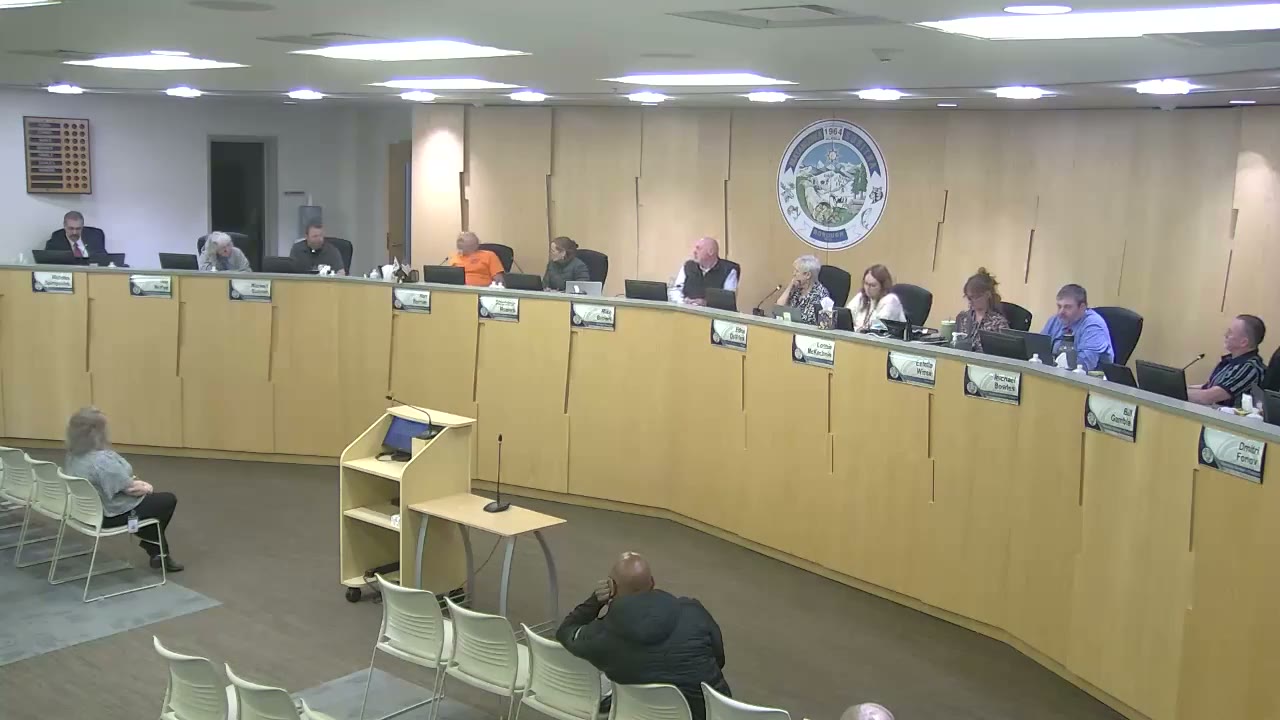
Maxwell Sumner
185:23 - 186:11
"with the 1% sales tax being passed, we would have additional revenue coming in. So you wouldn't have to offset the revenue loss to the area-wide, for example, for example, by increasing the mill rate to spread the tax burden. So this would, you know, basically you'd be transferring— it'd be a property tax reduction for owner-occupied houses, and it would be a small sales tax."
“with the 1% sales tax being passed, we would have additional revenue coming in. So you wouldn't have to offset the revenue loss to the area-wide, for example, for example, by increasing the mill rate to spread the tax burden. So this would, you know, basically you'd be transferring— it'd be a property tax reduction for owner-occupied houses, and it would be a small sales tax.”
- Speaker
- Maxwell Sumner
- Timestamp
- 185:23 – 186:11
- Community
- Alaska News
- Location
- Mat-Su Borough
- Captured at
- July 21, 2026
From the transcript
So that would be, you know, passing cost on to renters, it would pass cost on to small businesses, uh, and stuff like that. Now, you know, the, the mental thing you got— I guess the, the thing you got to realize is that with the 1% sales tax being passed, we would have additional revenue coming in. So you wouldn't have to offset the revenue loss to the area-wide, for example, for example, by increasing the mill rate to spread the tax burden. So this would, you know, basically you'd be transferring— it'd be a property tax reduction for owner-occupied houses, and it would be a small sales tax. Now, you would still have, uh, on the FSAs and RSAs, you would have a mill rate adjustment because those things are, you know, operating independently, right?
Related Coverage
A $700 property tax break, paid for by a 1% sales tax
Mat-Su Borough voters will decide Nov. 3 whether to trade a roughly $700 property tax exemption for owner-occupied homes for a new 1% borough-wide sales tax.
 by Walter AlaskaNews2mo ago1 min read
Mat-Su Assembly declares Talkeetna flood emergency, seeks state aid for permanent fix
The Mat-Su Borough Assembly voted Tuesday to declare a local emergency over Susitna River erosion and flooding threatening Talkeetna, unlocking 180 days of emergency authority and formally requesting state assistance to help cover non-federal matching funds the borough cannot provide alone.
by Walter AlaskaNews2mo ago2 min read