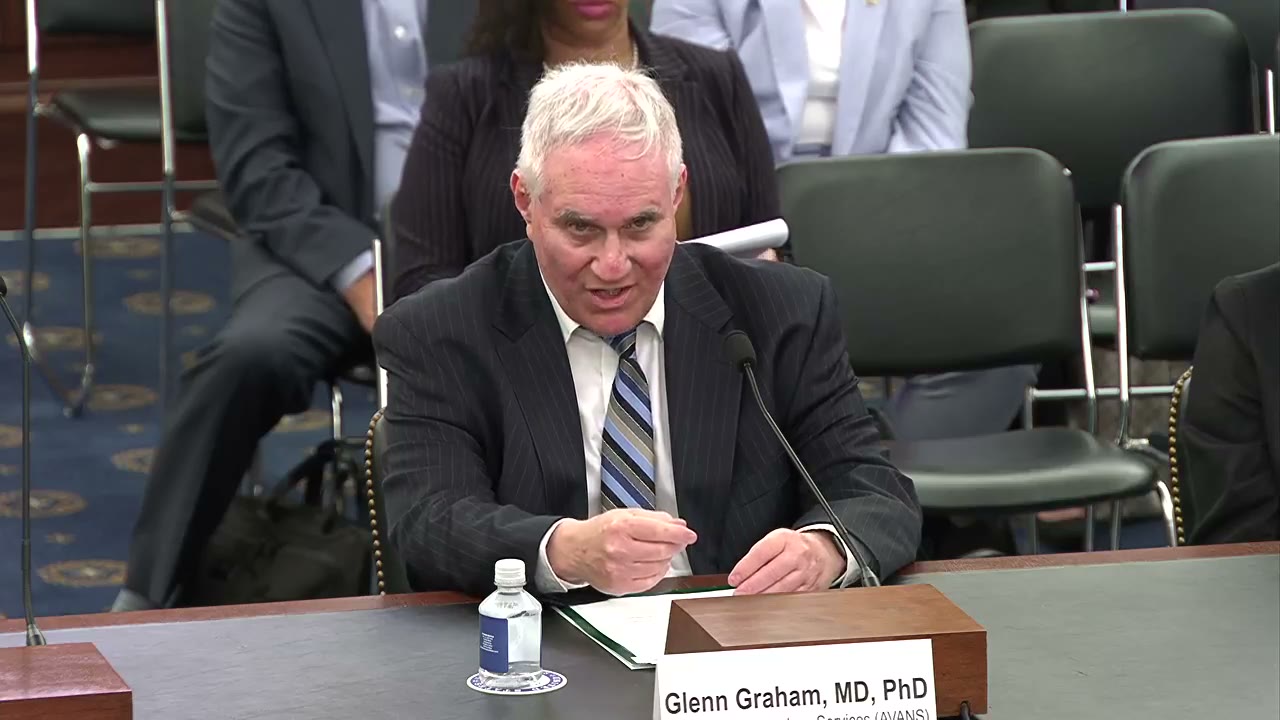
Glenn Graham
84:12 - 84:46
"I think people in the VA by large, at least those that I work with, were dedicated civil servants. They felt that federal service was an honor and a privilege and a duty to veterans. But yet somehow the federal civil servants, even including in the VA, were treated somehow as a public enemy. And that created a hostile work environment that I did not understand."
“I think people in the VA by large, at least those that I work with, were dedicated civil servants. They felt that federal service was an honor and a privilege and a duty to veterans. But yet somehow the federal civil servants, even including in the VA, were treated somehow as a public enemy. And that created a hostile work environment that I did not understand.”
- Speaker
- Glenn Graham
- Timestamp
- 84:12 – 84:46
- Community
- Alaska News
- Captured at
- July 22, 2026
From the transcript
There were folks, good folks that we lost in the organization because they were afraid that if they didn't take that option and they were riffed, they would have nothing. Uh, you know, I think in general it was difficult because I think people in the VA by large, at least those that I work with, were dedicated civil servants. They felt that federal service was an honor and a privilege and a duty to veterans. But yet somehow the federal civil servants, even including in the VA, were treated somehow as a public enemy. And that created a hostile work environment that I did not understand.
Related Coverage
VA research is losing staff and trials as Senate panel presses on $43M cut
Proposed VA research budget cuts drew Senate scrutiny this week, with stakes for Alaska, the state with the highest share of veterans per capita in the country.
 by Walter AlaskaNews2mo ago2 min read
Alaska veterans fly to Seattle for cancer care. The Senate is arguing over why.
A Senate Veterans' Affairs hearing examined VA precision oncology funding, a question with stakes for Alaska veterans referred to Seattle for specialty cancer care.
by Walter AlaskaNews2mo ago1 min read