Brian Schatz
33:12 - 34:13
"At a time when IHS faces persistent workforce shortages, aging infrastructure, and ongoing concerns about service delivery, this committee has a responsibility to carefully examine whether any nominee is prepared to meet the demands of this position from day one."
“At a time when IHS faces persistent workforce shortages, aging infrastructure, and ongoing concerns about service delivery, this committee has a responsibility to carefully examine whether any nominee is prepared to meet the demands of this position from day one.”
- Speaker
- Brian Schatz
- Timestamp
- 33:12 – 34:13
- Community
- Alaska News
- Captured at
- June 24, 2026
From the transcript
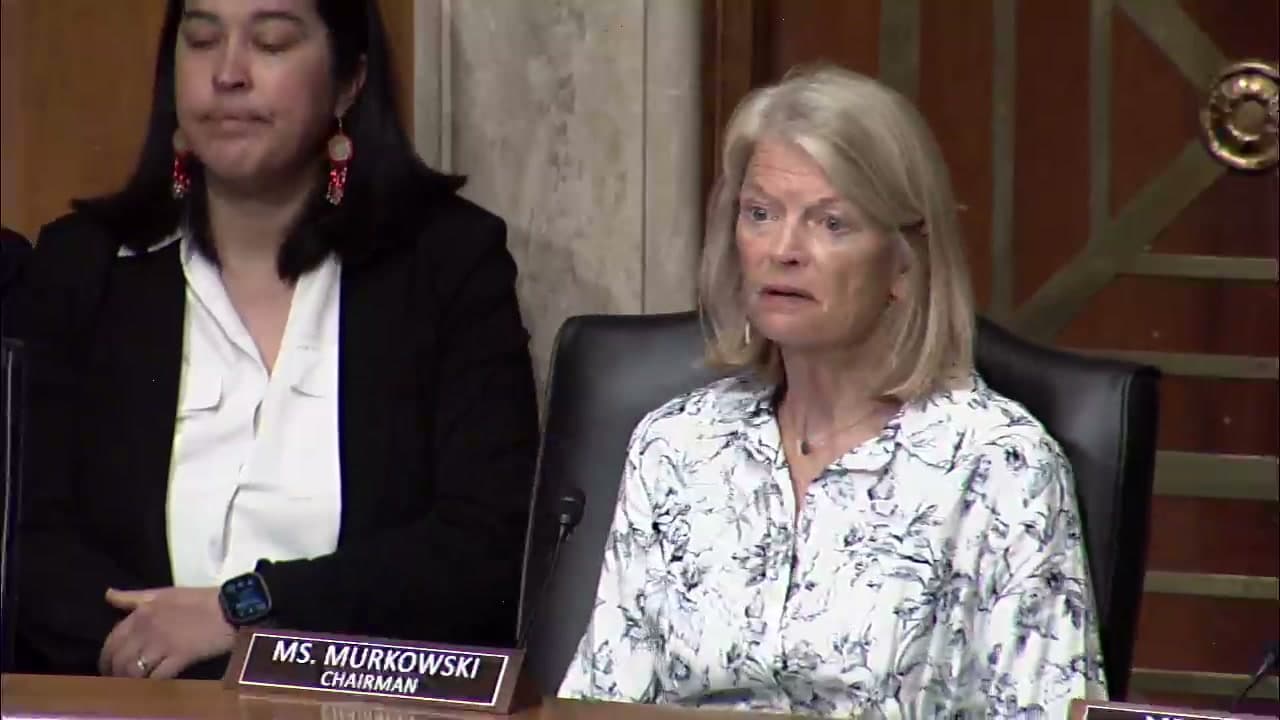
Thank you, Chair Murkowski, and thank you to the nominee and his family for being here. If confirmed as the Director of IHS, Mr. Cruz will manage a multibillion-dollar budget and approximately 15,000 federal employees. He will also be the most senior Senate-confirmed executive charged with carrying out the agency's mission and will be expected by statute and tradition to fulfill the federal government's trust and treaty obligations to provide health services to American Indians and Alaska Natives and improve their health outcomes. At a time when IHS faces persistent workforce shortages, aging infrastructure, and ongoing concerns about service delivery, this committee has a responsibility to carefully examine whether any nominee is prepared to meet the demands of this position from day one. This responsibility takes on added significance as tribal nations navigate proposed changes across the federal government, including actions that may affect the delivery of trust and treaty obligations that are often happening without meaningful tribal consultation.
Related Coverage
Senate panel weighs Mark Cruz nomination to lead Indian Health Service
The Senate Committee on Indian Affairs held a confirmation hearing Wednesday for Mark Cruz, a Klamath Tribes citizen nominated as the 12th IHS Director, with Chair Murkowski signaling early support and pressing Alaska-specific priorities including sanitation, self-governance, and contract support costs.
 by Maggie AlaskaNews3mo ago2 min read