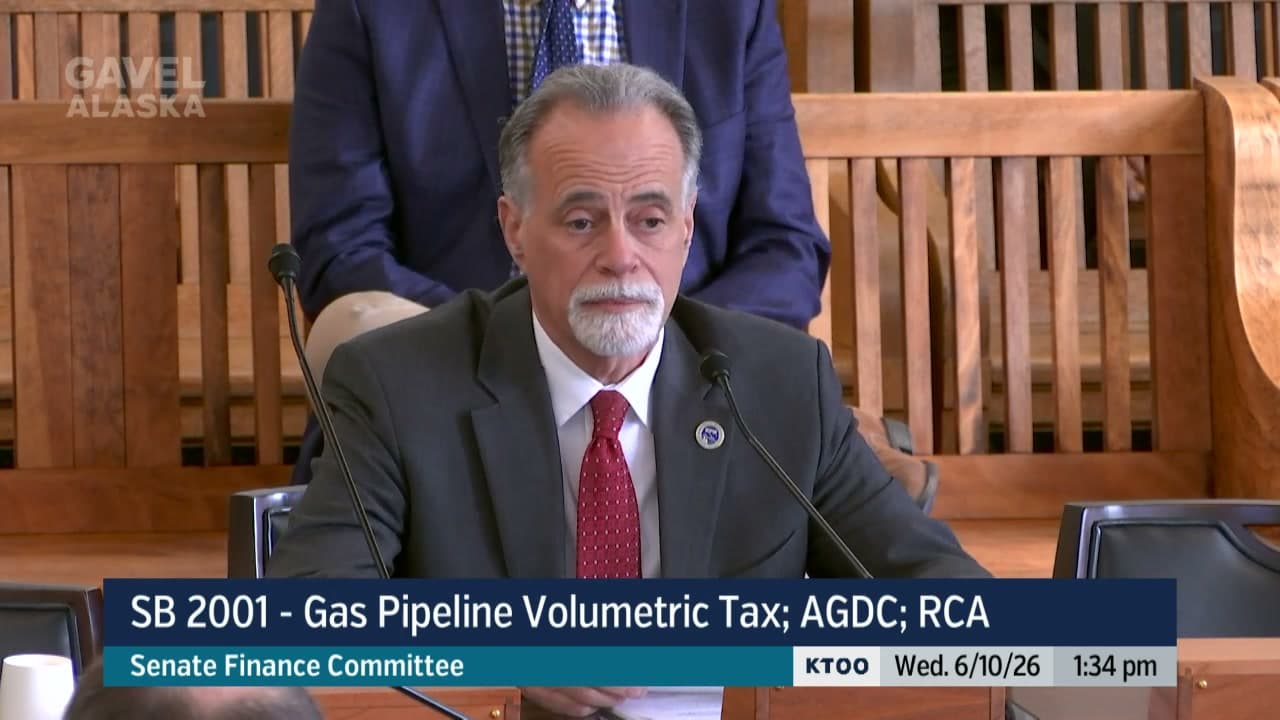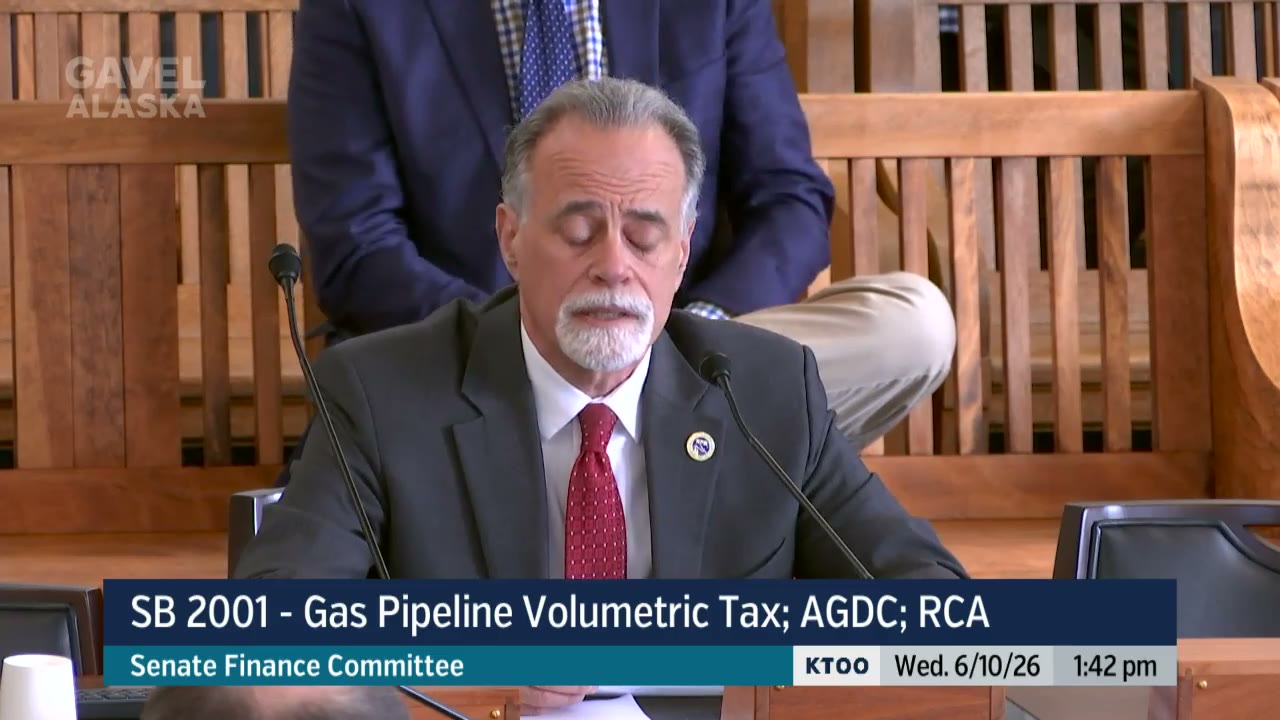
Peter Micciche
17:12 - 18:00
"As partners in the industry willing to support gas and much-needed commerce for Alaskans, we can make that work. I can look my constituents in the eye and explain with a high level of confidence that it will cover our costs in spite of the inevitable surprises we will find going forward."
“As partners in the industry willing to support gas and much-needed commerce for Alaskans, we can make that work. I can look my constituents in the eye and explain with a high level of confidence that it will cover our costs in spite of the inevitable surprises we will find going forward.”
- Speaker
- Peter Micciche
- Timestamp
- 17:12 – 18:00
- Community
- Alaska News
- Location
- Kenai Peninsula
- Captured at
- June 10, 2026
From the transcript
As partners in the industry willing to support gas and much-needed commerce for Alaskans, we can make that work. I can look my constituents in the eye and explain with a high level of confidence that it will cover our costs in spite of the inevitable surprises we will find going forward. If there's a little left beyond that, perhaps over time we can afford to repair some schools, reconnect, repair, and pave a few roads, afford a new cell at the landfill, which will increase by approximately 12% because of this project, and help rebuild a community. Perhaps one day we'll be able to help solve affordable housing and energy issues and connect the 35% of the Kenai Peninsula that yet have natural gas today in 2026. The Kiski is a tiny community at the north end of the Kenai Peninsula.
Related Coverage
Senate Finance weighs Alaska LNG tax worth $124M a year — and whether it's enough for host communities
Kenai Peninsula Borough Mayor Peter Micciche told the Alaska Senate Finance Committee Wednesday that the House version of the Alaska LNG tax bill provides a workable 70% property tax reduction, while the original 90% cut would have left local taxpayers subsidizing the project.
 by Walter AlaskaNews3mo ago3 min readAI