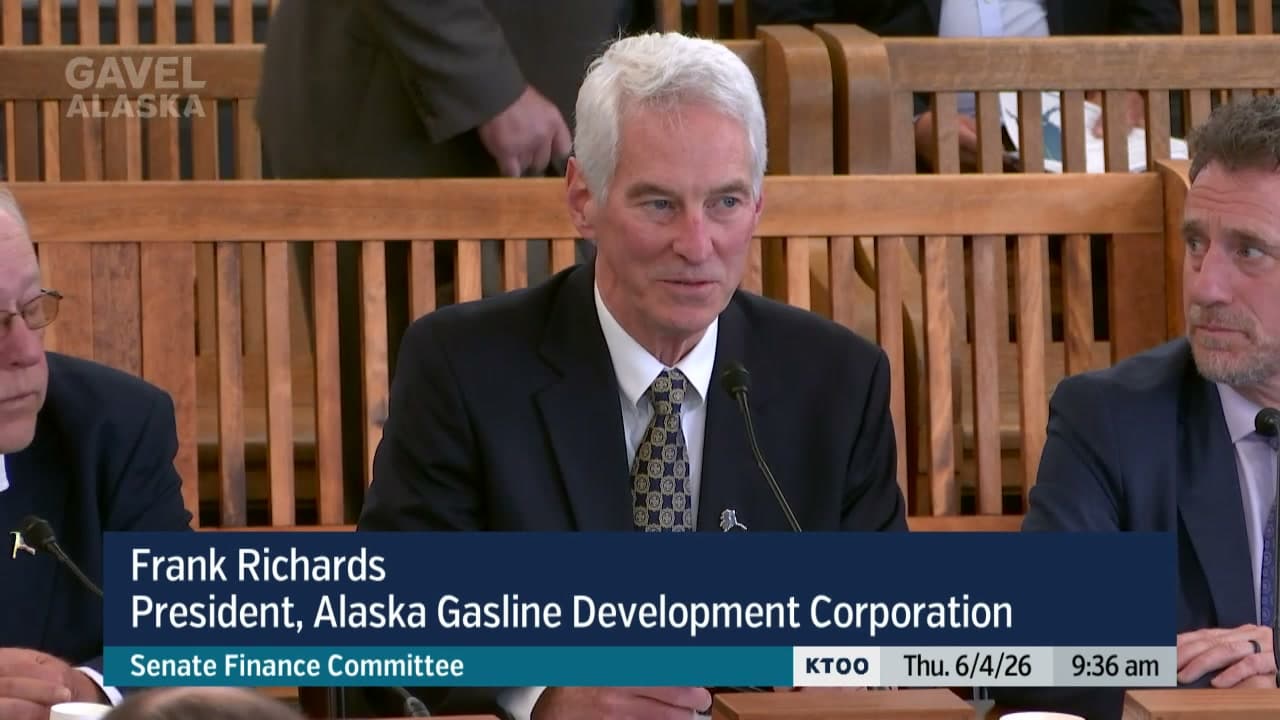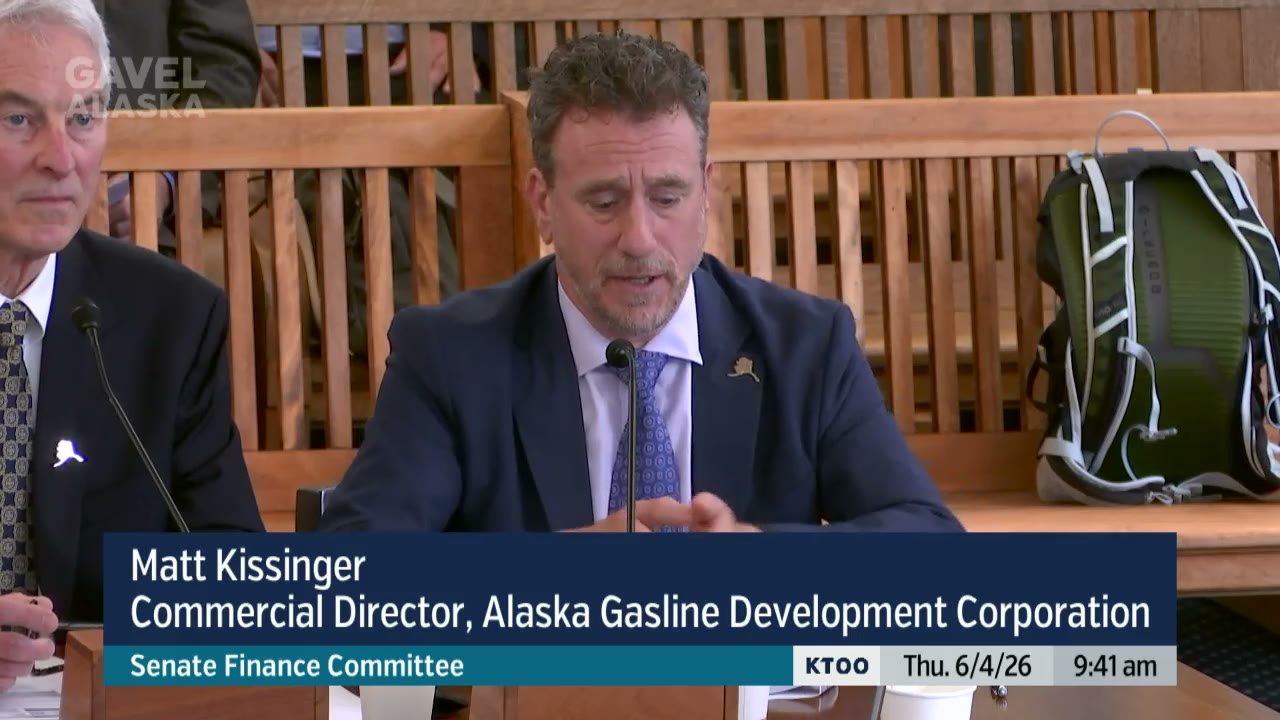
Matt Kissinger
26:33 - 27:20
"the property taxes that we were faced with were about 10, 10 times higher than the next highest, which was Cove Point in Maryland we'd be looking at 600 to 800 million a year, possibly a billion a year once you factor in the potential risk of cost overruns. Whereas in LNG Canada I believe that they're paying somewhere around 27 million a year."
“the property taxes that we were faced with were about 10, 10 times higher than the next highest, which was Cove Point in Maryland we'd be looking at 600 to 800 million a year, possibly a billion a year once you factor in the potential risk of cost overruns. Whereas in LNG Canada I believe that they're paying somewhere around 27 million a year.”
- Speaker
- Matt Kissinger
- Timestamp
- 26:33 – 27:20
- Community
- Alaska News
- Location
- Alaska
- Captured at
- June 4, 2026
From the transcript
And some of, I'll admit some of the tax concessions that are given do have limited times with extensions, et cetera, but when you really looked at it on face value, the property taxes that we were faced with were about 10, 10 times higher than the next highest, which was Cove Point in Maryland we'd be looking at 600 to 800 million a year, possibly a billion a year once you factor in the potential risk of cost overruns. Whereas in LNG Canada I believe that they're paying somewhere around 27 million a year. So you can just see it's a massive difference that we were faced with. And that really helped us then identify where we wanted to try and go to. And that's where we first started modeling what does this look like with a 2mil rate rather than a 20mil rate.
Related Coverage
Glenfarne's own cost estimate for Alaska LNG is now significantly higher than AGDC's — and the state's equity option sits in the middle of the new math
AGDC transferred three-quarters ownership of Eight Star Alaska—the entity holding FERC authorization and project assets—to private developer Glenfarn in 2025, shifting construction risk off state books while preserving a 5–25% buy-in window at final investment decision.
 by Walter AlaskaNews3mo ago3 min readAI