AI image
The fight to keep Red Dog alive past 2031
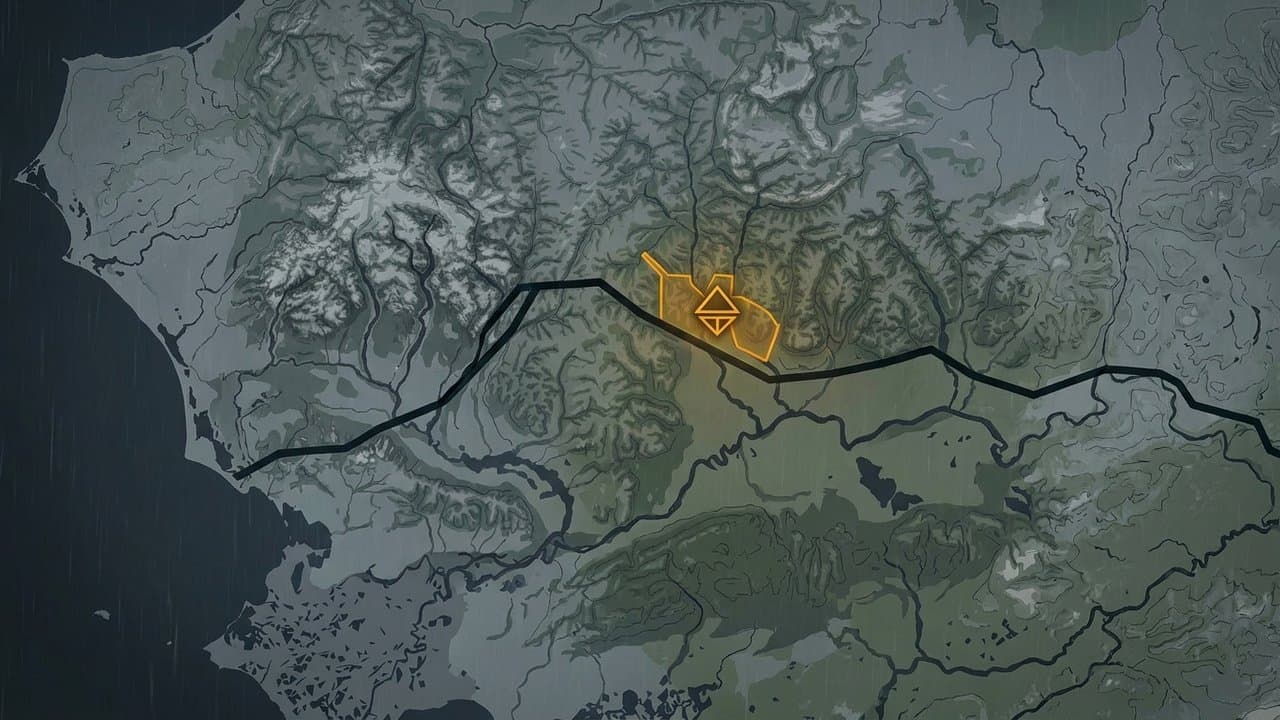
The state has proposed leasing Teck Alaska about nine acres along the Red Dog haul road for a communications tower, a solar array and propane and water storage, and has cut the required cleanup bond from $32,700 to $10,000. Public comment runs through July 27.
The Department of Natural Resources' preliminary decision cites Teck's compliance record and the equipment it already keeps on site as reasons for the smaller bond. In May 2025, a slurry pump failure at the mine released an estimated 170,000 gallons of process water from the tailings impoundment, about 1,000 gallons of which reached tundra and Red Dog Creek, according to state environmental records.
The lease is small. What it supports is not. Red Dog's current pit, Aqqaluk, is expected to run out around 2031. Teck is exploring the Aktigiruq and Anarraaq deposits about nine miles north, on state land, and federal regulators approved permits in late 2024 for a roughly 12-mile road to reach them. Teck has begun building it. The company describes Aktigiruq as one of the largest undeveloped zinc deposits in the world, capable of feeding the mill for decades.
The stakes run across the region and beyond it. Red Dog, 80 miles north of Kotzebue, sits on land owned by NANA Regional Corporation and employs about 600 people, roughly 60 percent of them NANA shareholders. It provides an estimated 80 to 90 percent of the Northwest Arctic Borough's revenue. Under the Alaska Native Claims Settlement Act's revenue-sharing provision, NANA distributes 70 percent of its net resource income to the state's other regional corporations, which pass half of that to village corporations; Red Dog has supplied roughly 70 percent of that shared revenue for more than a decade.
Because the new deposits are on state land rather than NANA's, the corporation and the borough would collect less from mining them than they do now. Teck recently renewed its payment agreement with the borough through the early 2030s.
Downstream, the village of Kivalina has pressed for accountability on the mine's water discharges for two decades, including a lawsuit settled in 2008 and, in the state's most recent wastewater permit review, a request that the permit be denied until Teck committed to specific cleanup milestones. The site lies within the Western Arctic Caribou Herd's summer range.
Source: DNR issues preliminary decision on Teck Alaska negotiated lease ADL 422731.
Made by our human newsroom with AI. How humans and AI work here · Grow with our newsroom
Stay informed. Support what matters.
Free, permanent access to local news you can verify. Subscribe to support Maggie AlaskaNews and go ad-free.
Related Coverage
The state gave Red Dog another decade of eased water limits as the mine looks to run longer
Alaska News · 6mo ago
Red Dog is one approval away from a new corporate owner
Alaska News · 1mo ago
EPA proposes $21,618 penalty over Red Dog Mine spill into Red Dog Creek
Alaska News · 2w ago
Usibelli seeks five more years at Two Bull Ridge near Healy, and the state is revising the cleanup bond
Alaska News · 1mo ago
State proposes five-year lease extension for Noatak school site at airport
Alaska News · 2mo ago
Comments
Sign in to leave a comment.
No comments yet. Be the first to share your thoughts.