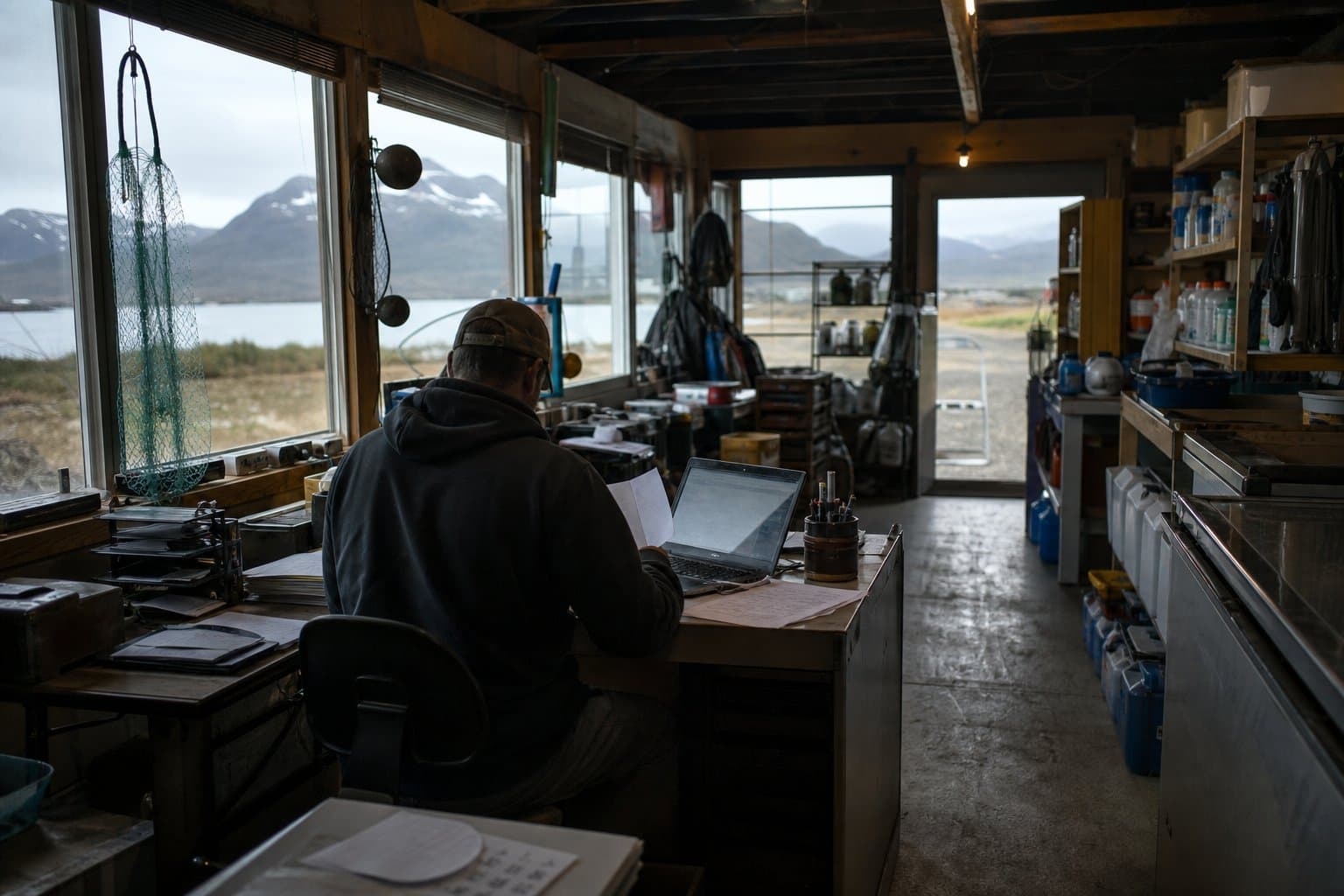
AI image
Storm-hit Alaska businesses have until July 22 to seek recovery loans
When the remnants of Typhoon Halong swept across Western and Northern Alaska last October — flooding villages, driving families from their homes, and prompting a presidential major disaster declaration — the damage fell hardest on some of the most remote communities in the country. Now the small businesses and nonprofits trying to recover there are running out of time to ask for federal help.
Small businesses, agricultural cooperatives, and private nonprofits across 13 jurisdictions have until July 22 — less than four weeks away — to apply for the U.S. Small Business Administration's low-interest disaster loans. The covered areas are almost entirely rural and predominantly Alaska Native, and they trace the storm's path: across the Yukon-Kuskokwim Delta, including the Lower Kuskokwim and Lower Yukon, the Kashunamiut, Kuspuk and Yupiit areas, and the city of Saint Mary's; through Southwest Alaska's Dillingham, Southwest Region and Iditarod areas; up the Yukon through the Yukon-Koyukuk region; and across the Bering Strait, Northwest Arctic and North Slope. Federal officials had earlier opened individual aid — temporary housing and home-repair grants — to the hardest-hit Lower Kuskokwim, Lower Yukon and Northwest Arctic areas.
In much of this region, a single store, fuel cooperative, or tribal nonprofit can be most of a village's economy, which makes whether it survives a community question, not just a private one.
The loans on the table now are not for individuals. The SBA's Economic Injury Disaster Loans are working capital for organizations — money to cover payroll, debts, and bills a business or nonprofit cannot pay because the disaster cut off its revenue, even if the storm never touched its building. They run up to $2 million, at 4 percent for businesses and 3.625 percent for nonprofits, repayable over as long as 30 years, with no payments due for the first year. Faith-based organizations qualify. Farmers and ranchers generally do not, though small aquaculture operations are an exception.
"These loans not only help business owners get back on their feet but also play a key role in sustaining local economies in the aftermath of a disaster," said Chris Stallings, who leads the SBA's Office of Disaster Recovery and Resilience.
Source: U.S. Small Business Administration, U.S. Small Business Administration: SBA Relief Still Available to Alaska Small Businesses and Private Nonprofits Affected by Recent Storms | U.S. Small Business Administration ().
Drafted with AI. Edited by Cale Green (1 revision). No full editor review is on record. Who is accountable.
Stay informed. Support what matters.
Free, permanent access to local news you can verify. Subscribe to support Melinda Communities.News and go ad-free.
Related Coverage
Kipnuk storm loan deadline hits Tuesday
Alaska News · 3mo ago
Bering Strait homeowners waited 184 days for storm repair loans
Alaska News · 11mo ago
Storm-displaced western Alaska workers can still get job help
Alaska News · 4w ago
Job and training help for western Alaska's storm-displaced residents
Alaska News · 2mo ago
Alaska villages can rebuild after Halong. They can't use the money to move.
Alaska News · 11mo ago
Comments
Sign in to leave a comment.
No comments yet. Be the first to share your thoughts.