AI image
Starry Fire forced Anderson evacuations before rain held Alaska's June burn total low
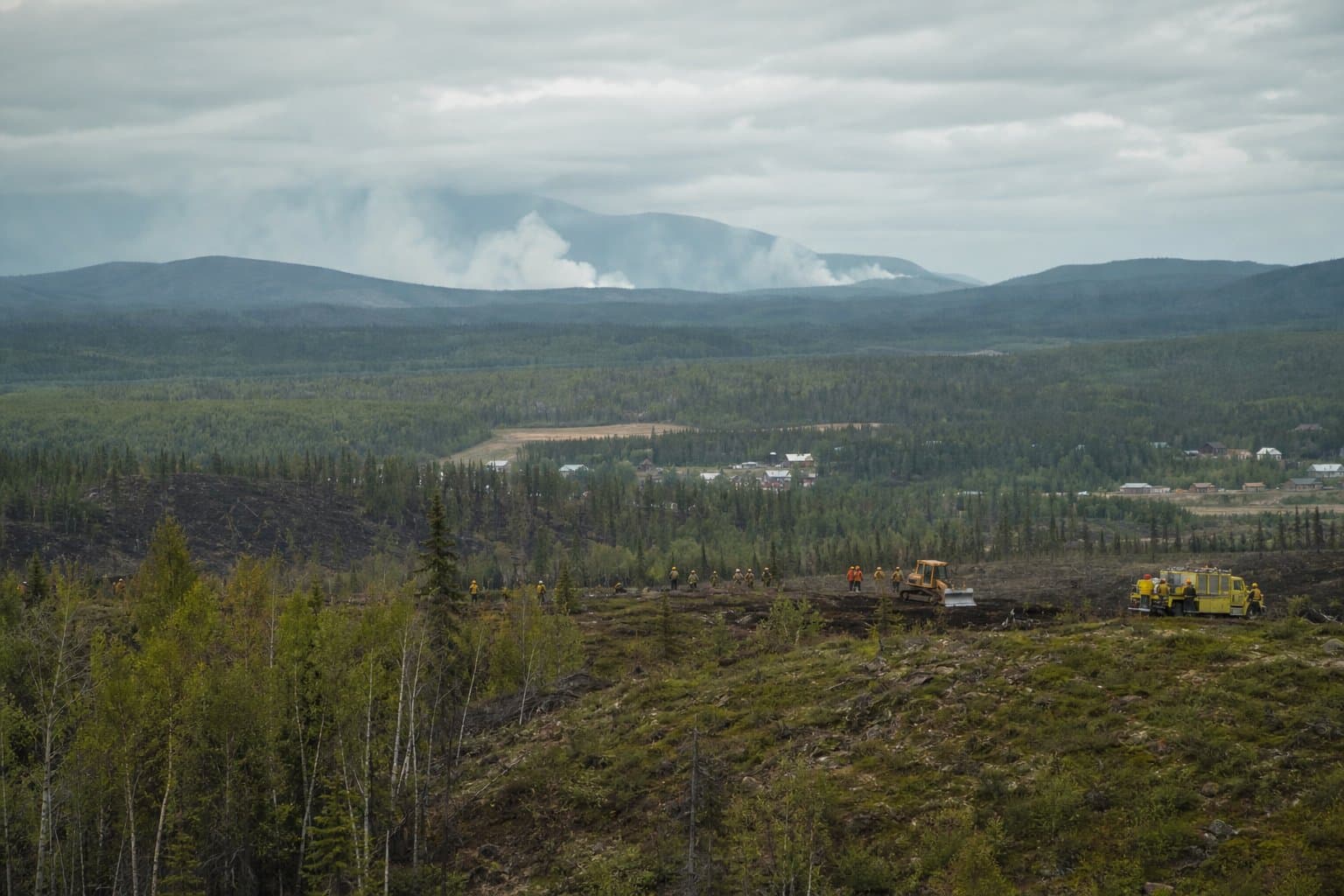
The Starry Fire that forced Denali Borough evacuation notices was held at 575 acres and had all evacuation orders lifted by June 30, as Alaska fire managers stepped down to Preparedness Level 2 on July 1.
A lightning-started wildfire on the edge of Anderson forced Denali Borough evacuation notices on June 20, but quick action by firefighters prevented the fire from spreading into the city. The Starry Fire and Alaska's broader June lightning activity produced far more ignitions than burned acres.
Alaska recorded fewer than 29,000 acres burned in June 2026, the sixth-lowest June total since 1993, according to data compiled by the Alaska Interagency Coordination Center and the National Interagency Fire Center. That low number did not reflect a quiet sky. About 75,000 lightning strikes hit Alaska and surrounding areas during the month, about 61,000 of which were ground strokes in Alaska, the fourth-highest June total since the current detection network came online in 2012. All that lightning started more than 100 wildfires. Rain accompanying the storms and a sustained absence of hot, dry weather kept the boreal forest from burning at scale. The pattern contrasts with 2023, when very low thunderstorm activity contributed to fewer fire starts.
The Starry Fire
The Starry Fire, listed by AICC as incident 234-Starry with an ignition date of June 20, grew rapidly after initial detection near Anderson and Clear Space Force Station. Denali Borough officials ordered Anderson residents to evacuate. Crews from multiple agencies worked through the night with dozers, hotshot crews, helicopters, and retardant tankers. By June 23, firefighters had wrapped the fire's perimeter with hose and held it at 575 acres. The borough lifted all evacuation statuses for the Starry Fire and a second nearby fire, the Seventeenmile Fire, on June 30.
Low Totals, Persistent Risk
The low statewide burn total should not be read as reduced risk. The U.S. Wildland Fire Service warned in a June 22 update that fuels in parts of Interior Alaska remained "very dry and are receptive to burning," and that sleeper fires can smolder below the surface for days after a lightning strike before conditions favor renewed burning. AICC had described the 2026 season as "ramping up" heading into June, with lightning-caused fires already under way. In the Northwest Territories, a 14,000-hectare fire threatened Fort Simpson along the Mackenzie River during the last week of June, the same period Alaska's totals stayed low.
What Comes Next
AICC transitioned to Preparedness Level 2 effective July 1, citing moderating weather and precipitation over active fire areas. That shift signals a step down from higher operational tempo, not a close of the season. More than 100 lightning-caused fires in a single month means the ignition infrastructure is in place for the weeks ahead.
Source: June 2026 Arctic Ice and Wildfire.
Made by our human newsroom with AI. How humans and AI work here · Grow with our newsroom
Stay informed. Support what matters.
Free, permanent access to local news you can verify. Subscribe to support Maggie AlaskaNews and go ad-free.
Related Coverage
Alaska's quiet June fire season faces July's heat and lightning
Alaska News · 3mo ago
A week of lightning sparked dozens of Alaska fires and forced an entire town to flee
Alaska News · 3mo ago
Starry Fire hits 70% containment; wetting rain expected Friday night
Alaska News · 3mo ago
Anderson's mandatory evacuation is lifted, but the Starry Fire isn't out
Alaska News · 3mo ago
The Starry Fire is 70% contained as crews move into mop-up
Alaska News · 3mo ago
Comments
Sign in to leave a comment.
No comments yet. Be the first to share your thoughts.