AI image
Six nations, 70-plus aircraft, an airspace bigger than Britain: the war over Alaska was a drill
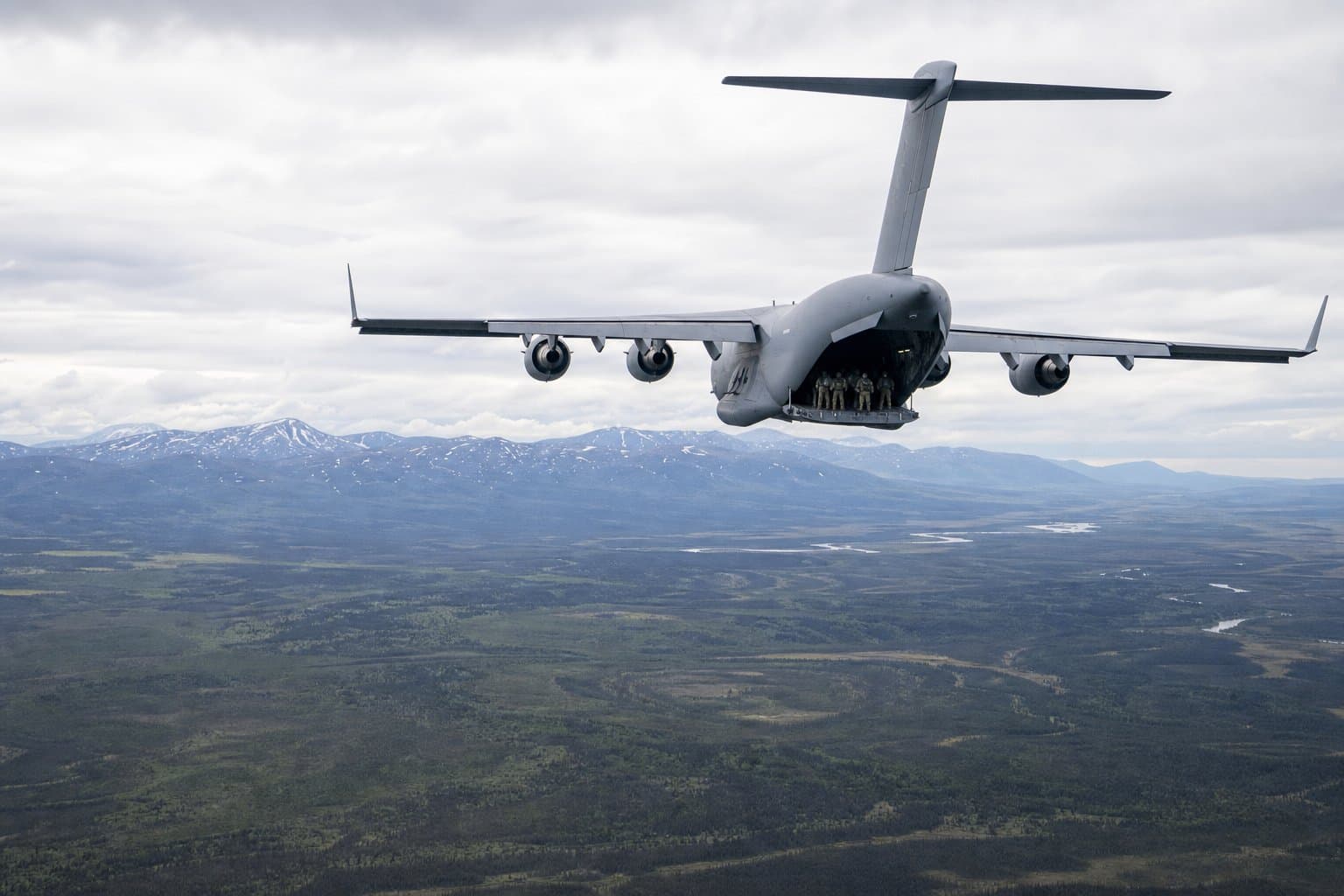
For two weeks this spring, the skies over Alaska became the stage for the U.S. military's premier air-combat exercise in the Pacific — a full-scale war fought entirely on rehearsal. RED FLAG-Alaska 26-2 put more than 70 aircraft and roughly 2,100 troops from six nations into 120,000 square miles of training airspace — a block of sky larger than the United Kingdom — before standing down June 12.
That airspace is the whole point. The Joint Pacific Alaska Range Complex is billed as the largest combat training range on Earth: miles of unrestricted sky, brutal terrain, and some of the most sophisticated simulated enemy radar and missile threats anywhere. Into it, the Air Force throws dedicated "aggressor" units trained to fly and fight like an enemy. The premise, since the service built RED FLAG after Vietnam, is blunt — a pilot is most likely to be killed in the first real combat missions of a career, so the exercise manufactures those missions in advance, at the hardest level its planners can build.
This round, the distinguishing feature was the coalition. The Republic of Singapore Air Force flew alongside British, Canadian, New Zealand and U.S. forces — the kind of mixed formation that only works if radios, refueling, data links and tactics actually mesh in the air. That's the difference between allies on paper and allies in a fight. The training leaned toward air-to-ground strikes, special operations and tactical airlift.
It wasn't only jets. More than 300 paratroopers from Alaska's own 11th Airborne Division — the Arctic Angels — jumped from C-130s onto Donnelly Drop Zone near Delta Junction in live airborne assaults.
Col. Christopher Austin, the deployed forces commander, has watched roughly 20 of these exercises. "This is truly the best training that I have ever seen in all of those exercises," he said.
The target of all of it goes unnamed but isn't hard to read. Alaska sits at the top of the world, within reach of both Asia and the Arctic, and the military openly ties training here to air superiority in the Pacific. The whole deafening, expensive point is rehearsal: fly the war now, against a fake enemy, so that if the real one comes, it's something they've already done.
Source: U.S. Air Force ().
Drafted with AI. Edited by Cale Green (1 revision). No full editor review is on record. Who is accountable.
Stay informed. Support what matters.
Free, permanent access to local news you can verify. Subscribe to support Maggie AlaskaNews and go ad-free.
Related Coverage
Allied forces rehearse the next war in the Alaska wilderness
Alaska News · 2mo ago
Heavy military flying returns over Anchorage as Red Flag-Alaska war games resume
Alaska News · 1mo ago
Alaska's 1-40 Cav made its last cavalry jump June 10 — WWII lineage returns in July
Alaska News · 3mo ago
Air Force seeks contractor for Red Flag-Alaska exercise at JPARC
Alaska News · 3mo ago
F-15 aborts takeoff at Eielson during Red Flag exercise
Alaska News · 3mo ago
Comments
Sign in to leave a comment.
No comments yet. Be the first to share your thoughts.