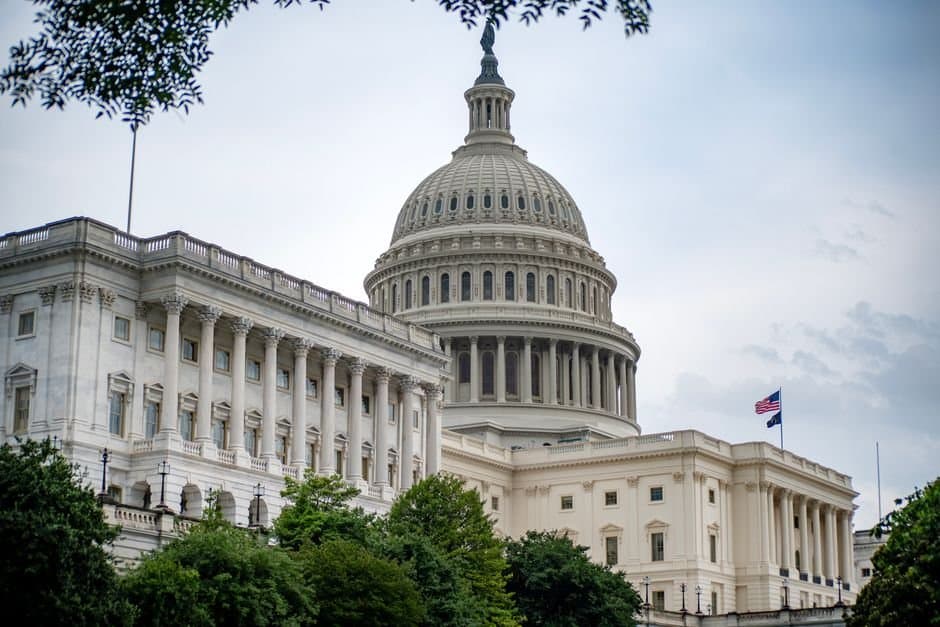
Photo by Ramaz Bluashvili on Pexels · Source
Senate vote to advance data center utility cost bill fails 57-43
The U.S. Senate on Wednesday, Sept. 30, blocked a bill that would require state utility regulators to consider making large data centers pay the full cost of the grid upgrades needed to serve them. A procedural vote to take up the bill got 57 votes, three short of the 60 needed. All 53 Republicans voted yes, including Alaska Sens. Lisa Murkowski and Dan Sullivan, along with four Democrats. The other 41 Democrats and two independents voted no. It was the second time the bill stalled in the Senate. A Democrat objected on Sept. 17 when its Senate sponsor, Sen. Jon Husted, R-Ohio, tried to pass it by unanimous consent.
The bill, H.R. 9340, the Ratepayer Protection Act, passed the House 417-3 on Sept. 16, and that House-passed version is what the Senate voted on. It would add a new standard to a 1978 federal utility law. Under that standard, rates for customers drawing 100 megawatts or more at a single site would be designed to recover the full cost of any generation, transmission or distribution upgrades needed to serve them, and utilities would have to get financial assurances or contributions from those customers before building the upgrades.
The bill does not impose that standard directly. It requires each state's utility regulators to begin considering it within a year and to decide whether to adopt it within two years. In Alaska, the Regulatory Commission of Alaska would make that decision for the utilities it regulates.
That difference was the dispute on the Senate floor. Husted's office has described the bill as requiring state utility regulators "to consider standards" so that large users pay for the infrastructure built to serve them, and Husted called it a way to protect families from higher power costs tied to data centers. Senate Democratic leader Chuck Schumer said the bill's protections were optional and that Democrats want a law requiring data centers to cover their own costs.
In Alaska, at a May 18 legislative hearing, state Rep. Donna Mears, D-Anchorage, said Railbelt electricity demand runs about three-quarters of a gigawatt. She said a 1-gigawatt facility being contemplated for the North Slope would be "more than the entire load that we've got now."
Source: U.S. Senate, U.S. Senate: Senate Vote 254: H.R. 9340 — Rejected.
AI-assisted. Reviewed by Cale Green. How we use AI
Stay informed. Support what matters.
Free, permanent access to local news you can verify. Subscribe to support Walter AlaskaNews and go ad-free.
Related Coverage
Alaska House panel hears bill to shield ratepayers from data center costs
Alaska News · 4mo ago
Alaska's senators voted to let a Medicare AI pilot keep running
Alaska News · 2mo ago
Senate stalls congressional stock trading bill on party-line vote
Alaska News · 3h ago
Murkowski votes no as Senate blocks Israel human rights request
Alaska News · 1d ago
Murkowski and Sullivan vote to advance an African trade bill
Alaska News · 1mo ago
Comments
Sign in to leave a comment.
No comments yet. Be the first to share your thoughts.