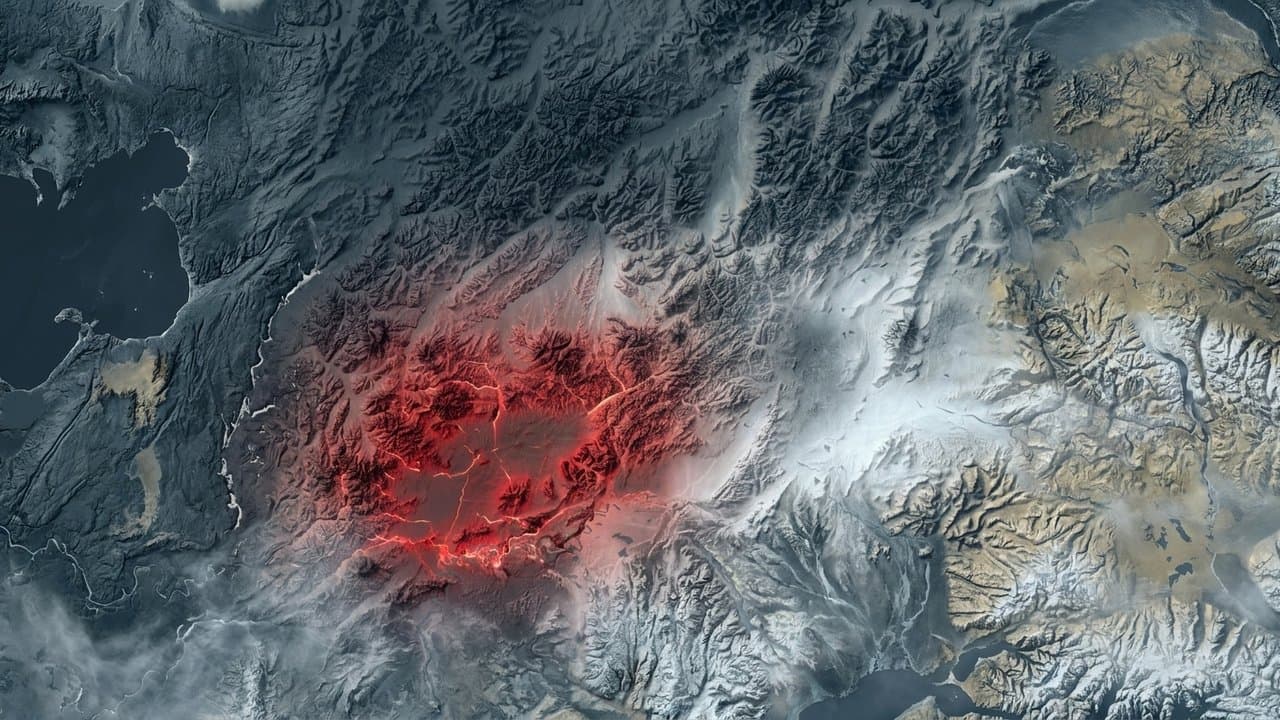
Editorial map (Gemini + Google Maps)
Report estimates 37% of Alaska households fell short of basic costs in 2024, most of them above the poverty line
A cook and a bank teller working full time in Alaska together earn about $86,600 a year. If they're raising an infant and a preschooler, that's nearly $12,000 less than it takes to cover the basics, according to a report released Monday. Add four Permanent Fund dividends at 2024's $1,702 each, and the family still comes up almost $5,000 short.
The report, from United For ALICE, a research project led by United Way of Northern New Jersey, with United Way of Anchorage as its Alaska partner, estimates that about 101,000 Alaska households, or 37%, couldn't afford the basics in 2024 by its measure. That includes housing, child care, food, transportation, health care and a phone plan, plus taxes.
Most of those households weren't poor by the federal definition. About 24,000 fell below the poverty line. The rest earned more than that but still not enough to cover the report's budget. The group calls them ALICE, short for Asset Limited, Income Constrained, Employed.
The gap was widest in rural western Alaska. In the Kusilvak Census Area, the report counts 73% of households below its threshold. It was 63% in the Bethel Census Area and 61% in the Northwest Arctic Borough, compared with 32% in Anchorage and Juneau.
Child care drives much of the gap. The report's bare-minimum budget for a single adult was about $37,000 a year. For two adults with an infant and a preschooler, it was about $98,000, with child care at about $1,700 a month and housing at about $1,600 the biggest pieces. Among household types, single mothers had the highest rate, at 69%. Households headed by someone under 25 were at 67%. Among Alaska Native and American Indian households, 60% fell below the threshold, a figure the report says likely understates the true rate because those households tend to be undercounted in the census.
The measure is the group's own, and it sets a much higher bar than the federal poverty line, which the group calls outdated. Its budget includes a 10% cushion for unexpected costs, and household income comes from Census survey data, which doesn't count benefits such as food assistance or Medicaid. The report also notes that dividend income may be underreported, especially in rural areas. On the other side, it says its transportation and health care costs, based on state averages, likely underestimate what rural households pay. It adjusts food costs by region using a state cost study and says subsistence hunting and fishing, while important for food, require cash for fuel, boats and gear.
By the report's count, that middle group has grown quickly. From 2010 to 2024, the number of households earning above the poverty line but below the threshold rose 56%, while the total number of households in Alaska rose 7%. Alaska's overall rate was below the national rate of 41%.
Source: More than a third of Alaska households cannot cover basic costs, a new report finds, and in Kusilvak it is nearly three in four.
AI-assisted. Reviewed by Cale Green. How we use AI
Stay informed. Support what matters.
Free, permanent access to local news you can verify. Subscribe to support Walter AlaskaNews and go ad-free.
Related Coverage
Alaska moves to open child care assistance to more working families
Alaska News · 1mo ago
Alaska nursing home costs highest in US as senior population surges
Alaska News · 4mo ago
Remote Alaska villages pay $6.63 per gallon as fuel costs strain budgets
Alaska News · 5mo ago
Permanent Fund turns 50 as dividend rests on appropriation, not formula
Alaska News · 49m ago
Alaska nudges up what it pays to house low-income seniors
Alaska News · 2mo ago
Comments
Sign in to leave a comment.
No comments yet. Be the first to share your thoughts.