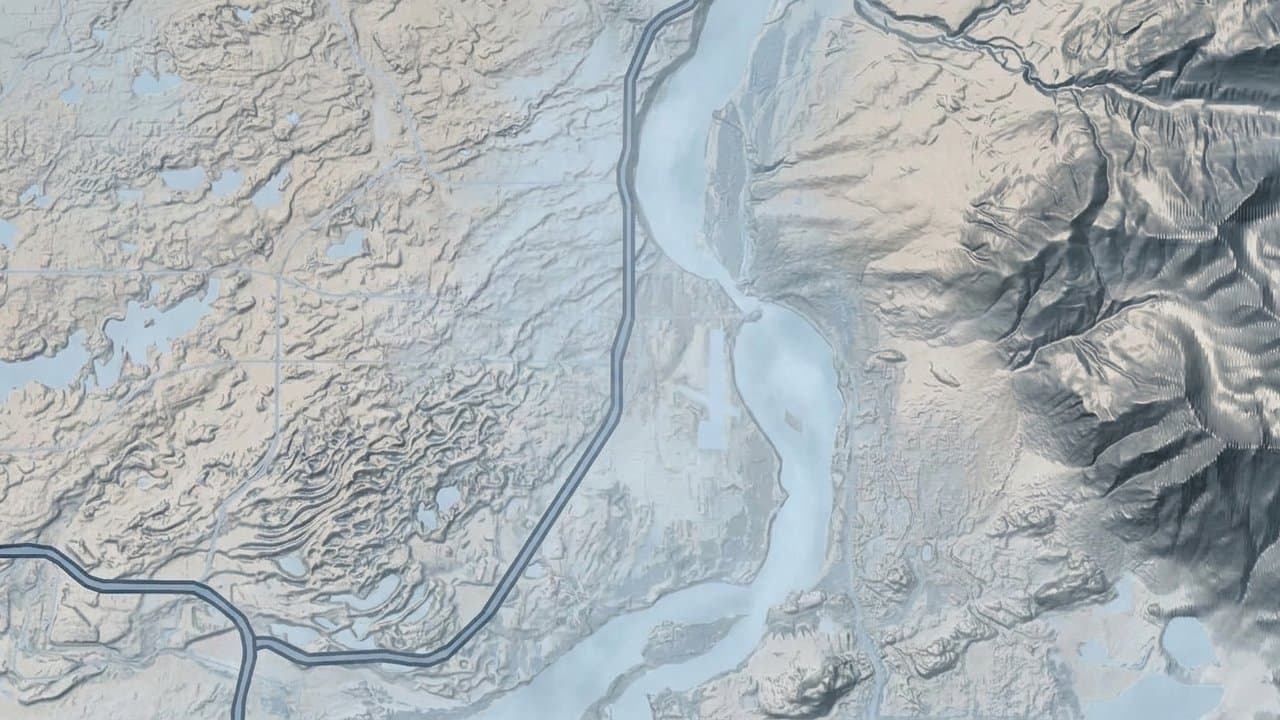
Editorial map (Gemini + Google Maps)
Palmer's budget plan holds taxes flat and skips a required capital transfer
Palmer residents wouldn't pay more in property taxes or utility rates next year under City Manager Kolby Zerkel's proposed 2027 budget, which city departments presented to the City Council on Tuesday. But the plan leaves out $943,402 that city code says must go to capital projects.
Palmer's code requires the city to move at least 10% of its expected unspent reserves into capital projects every year when it adopts a budget. Zerkel's Oct. 15 budget memo says the proposal "does not include the allocation for capital project spending which is mandated" by that rule. The transfer is set at zero "to present a balanced budget," which the city charter requires him to propose, and the money hasn't been assigned to specific projects yet, the memo says.
The budget projects a $511,474 surplus, less than the transfer would cost. The council takes up capital projects first when it continues its budget review Oct. 27.
The property tax rate would stay at 3 mills, or $3 for every $1,000 of assessed value, the same as this year. For a home assessed at $300,000, that's $900 a year in city property tax. Water, sewer and solid waste rates wouldn't change.
Shoppers will keep paying a 4% city sales tax through Oct. 31, 2027. The council approved the extra 1% in February to help pay for a new library, raising the rate from 3% starting April 1. The library tax is expected to bring in $3.2 million next year, all of it budgeted for the new library.
General Fund spending would rise $921,270, to about $17.9 million, while revenue would rise $820,958, to about $18.4 million. City employees would get a 3% cost-of-living raise, and the city would hire a procurement administrator.
The city's animal control contract costs would drop from $35,952 to $9,500, as the Matanuska-Susitna Borough takes over animal care inside city limits.
Palmer's unassigned reserves are projected to fall from $11.3 million at the end of 2025 to $9.4 million at the end of this year, after $2.5 million went to capital projects. Under the proposal, they would climb back to about $9.9 million by the end of 2027, enough to cover more than half a year of operating costs.
Zerkel also looked past next year. After 2027, he wrote, rising costs, modest revenue growth and no new funding sources could limit the city's ability to keep services at current levels and pay for future capital work.
The council usually adopts the budget in meetings that run through December, according to the city.
Source: Palmer's proposed 2027 budget keeps the 3-mill property tax and utility rates flat, gives staff 3%, and leaves out the $943,402 capital transfer city code requires.
Made by our human newsroom with AI. Reviewed by Cale Green. How humans and AI work here · Grow with our newsroom
Stay informed. Support what matters.
Free, permanent access to local news you can verify. Subscribe to support Walter AlaskaNews and go ad-free.
Related Coverage
Anchorage's property tax cap rises $18.5 million for next year
Alaska News · 1mo ago
Kenai proposes $1.55 million for street work, pay raises in 2027 budget
Alaska News · 5mo ago
Petersburg proposes area-wide property tax to balance FY27 budget
Alaska News · 5mo ago
Anchorage mayor proposes 2027 budget that relies on one-time money, warns of 2028 fiscal cliff
Alaska News · 2w ago
Wasilla council votes Monday on $200,000 contract for a new parks plan
Alaska News · 23h ago
Comments
Sign in to leave a comment.
No comments yet. Be the first to share your thoughts.