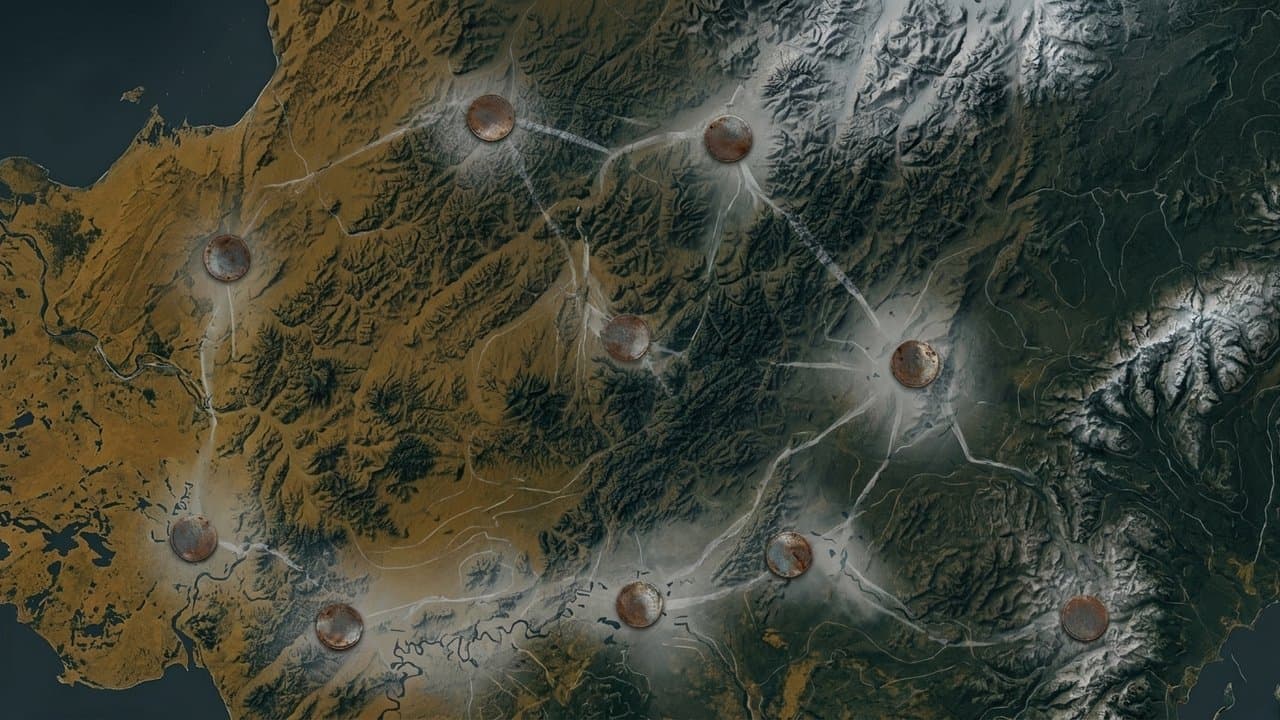
Editorial map (Gemini + Google Maps)
Eight of nine Alaska tribes get smaller military cleanup awards; the ninth more than doubles
Nine Alaska tribes signed new two-year federal agreements this month to address military contamination on their land. Eight received less than their own previous agreement, several far less. The ninth, Kenaitze Indian Tribe, more than doubled from an unusually small 2024 award.
The Department of the Army signed eleven cooperative agreements under the Native American Lands Environmental Mitigation Program (NALEMP), ten of them in the closing days of the federal fiscal year. Nine went to Alaska tribes, taking $3,567,457 of the round's $4,495,305, or 79 percent. Alaska dominates because the program covers land conveyed under the Alaska Native Claims Settlement Act and Native allotments, not only reservations.
The Alaska awards, rounded to the dollar, with each tribe's previous agreement: Qawalangin Tribe of Unalaska, $560,000, down from $838,828 in 2024; Tangirnaq Native Village, $475,013 from $550,000; Kenaitze Indian Tribe, $417,000 up from $195,000; Native Village of Tetlin, $399,218 from $600,000; Native Village of Barrow Inupiat Traditional Government, $392,303 from $1,696,431 in 2023; Native Village of Ouzinkie, $381,929 from $749,614; Atka IRA Council, $343,393 from $550,293 in 2025; Curyung Tribal Council, $320,600 from $379,755; and Native Village of Saint Michael, $278,000 from $495,295.
Each agreement runs two years, ending in 2028. No new Alaska tribe entered the program this round.
The average Alaska award has fallen sharply since 2023. It was $1,131,755 in the 2023 cohort, $643,253 in 2024, $651,190 in 2025 and $396,384 now, a drop of 65 percent from 2023. Alaska's cohort totals run $10,185,792 in 2023, $7,075,781 in 2024, $5,860,708 in 2025 and $3,567,457 in this round.
Atka IRA Council appears in five cohorts, peaking at $1,135,717 in 2023, and its current award sits below its 2021 figure. Saint Michael received $348,100 in 2020 and $845,811 in 2022, and now gets less than its first recorded agreement. Kenaitze held $1,830,048 in 2022, more than four times its award now.
The Department of Defense describes the program as a way to handle contamination it left behind. "Under NALEMP, DoD enters into Cooperative Agreements with tribal governments to address problems attributable to past DoD activities," the department says on its NALEMP program page, which reports more than 350 agreements with more than 60 tribal nations and more than $160 million in funding.
The same page explains how a round gets its size. "All eligible sites are screened annually for available funding," it says, and when congressional money arrives the department decides which sites to prioritize. It weighs factors beyond risk to health and the environment, "including impacts to traditional practices, subsistence lifestyles, and economic viability." The agreements bring tribes into the work, incorporating traditional ecological knowledge and building tribal technical capacity.
The Yakutat Tlingit Tribe's FY 2022 agreement, covering road and culvert work, debris removal, soil sampling and groundwater-data evaluation at the former Yakutat Air Base, is recorded at $3,212,321.
The description field on all eleven agreements reads only NALEMP, with no site, contaminant or acreage. No outlays are reported against any of them. The money is obligated, and none of it has been spent.
No opened record explains why this round is smaller. The Federal Register carries a single NALEMP document, a 2003 proposed rule on munitions response site prioritization. The federal fiscal year ends September 30, and four numbers in the Army contracting office's award sequence do not appear in the reported data, so the count of nine could rise.
Source: Nine Alaska villages just signed up again to clean up what the military left, and every one of them got less money than last time ().
AI-assisted. No editor review is on record for this article. Who is accountable.
Stay informed. Support what matters.
Free, permanent access to local news you can verify. Subscribe to support Walter AlaskaNews and go ad-free.
Related Coverage
BIA sends nearly $800,000 to five Alaska tribal governments, most of it road money
Alaska News · 1w ago
Federal Medicare outreach grants send $174,880 to 10 Alaska tribal elder programs
Alaska News · 3w ago
Nine EPA climate grants for Alaska projects ended with 99 percent of $151 million unspent
Alaska News · 2w ago
A Tanana company will dig diesel out from under old BIA school sites
Alaska News · 1w ago
Money for Alaska Native education keeps flowing, but no new competition has opened in nearly two years
Alaska News · 1mo ago
Comments
Sign in to leave a comment.
No comments yet. Be the first to share your thoughts.